
Size chart – oversize shirt
This oversize shirt size chart gives EKVAAR’s measurements from S to 3XL, in inches, including sleeve opening and sleeve length.
Measurements are of the finished garment in inches. Chest is the full circumference: double your flat chest width before comparing. The size guide beside the options on the product page takes precedence over these general charts.
| Size | Chest around garment (in) | Length (in) | Shoulder (in) | Sleeve Open (in) | Sleeve Length (in) |
|---|---|---|---|---|---|
| S | 41 | 27 | 20 | 7 | 9 |
| M | 43 | 28 | 21 | 7 | 9.5 |
| L | 45 | 29 | 22 | 8 | 10 |
| XL | 47 | 30 | 23 | 8 | 10.5 |
| 2XL | 49 | 31 | 24 | 8.5 | 11 |
| 3XL | 51 | 32 | 25 | 8.5 | 11.5 |
Oversize fit. Designed for everyday comfort. Measurements may vary by ±0.5 inch.
Check the product-specific measurements before reserving. Wrong-size selections are not eligible for size exchanges. How to measure · Returns & refunds
How to read the oversize shirt size chart
All five numbers are taken from the finished oversize shirt. Chest is the full distance around the garment, so double a flat measurement before you compare. Length runs from the highest point of the shoulder to the hem, and shoulder runs from seam to seam across the back. Sleeve length is measured from the shoulder seam to the end of the sleeve, and sleeve open is the size of the sleeve opening.
Chest, length and shoulder move in even steps of 2 inches, 1 inch and 1 inch per size. A medium measures 43 inches around the chest, 28 inches long and 21 inches across the shoulder. Sleeve length grows by half an inch a size, from 9 inches in S to 11.5 inches in 3XL, and the sleeve opening moves from 7 to 8.5 inches.
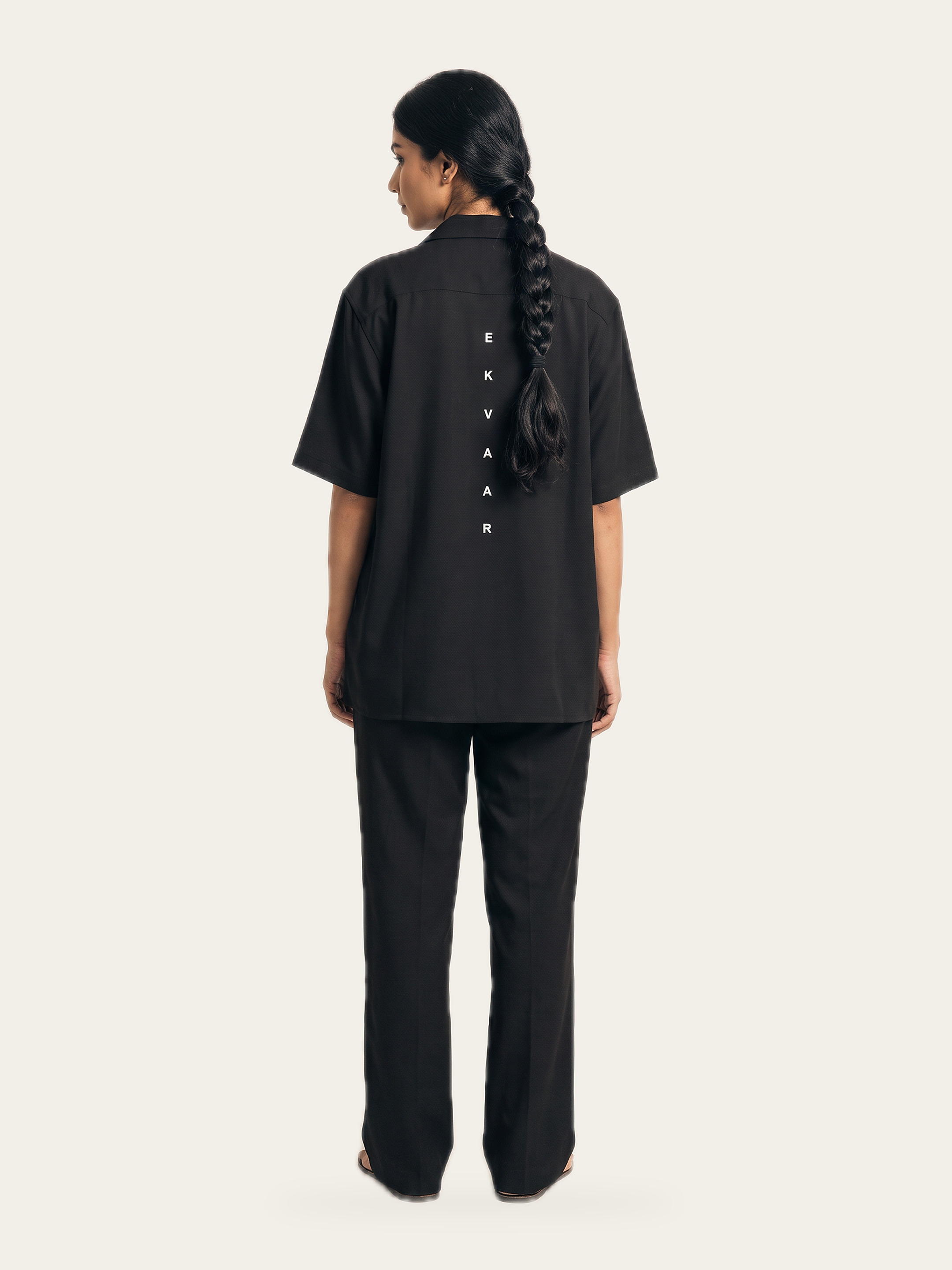
Why the shoulder number is so wide
An oversize shirt sets its shoulder seam out past your own shoulder, so the shoulder column runs from 20 inches in S to 25 inches in 3XL. In a medium that is 21 inches, against 18 inches for a medium in our regular T-shirt chart. Don’t match this number to your body; match chest and length first, then use the shoulder figure to see how far the seam will drop.
Measure a shirt you already own
- Button up an oversize shirt you like and lay it flat on a table.
- Measure across the chest, just below the armholes, and double the number.
- Measure from the highest point of the shoulder, beside the collar, down to the hem.
- Measure the sleeve from the shoulder seam to the end of the sleeve.
- Compare with the chart, chest and length first.
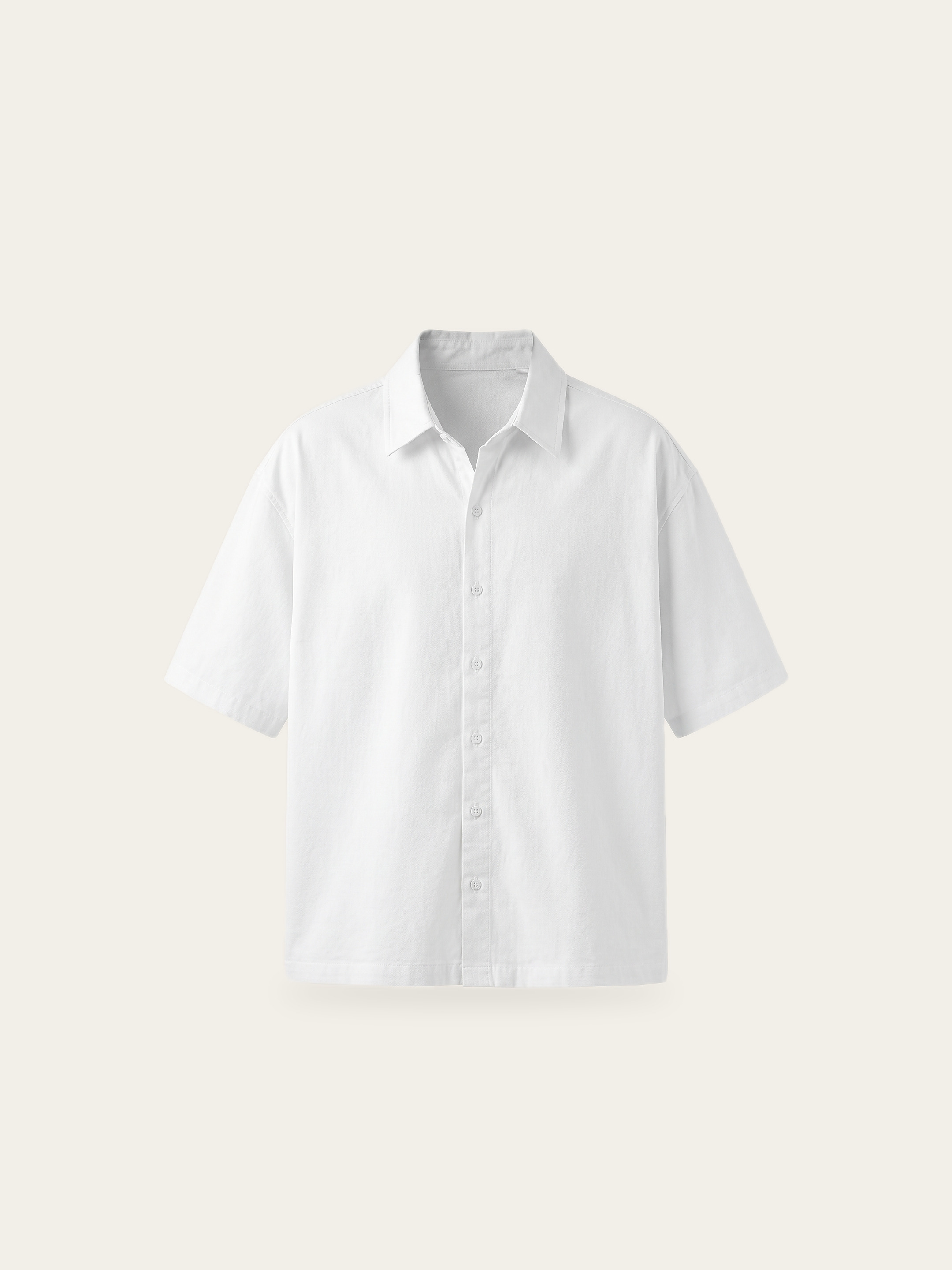
Short sleeves and the sleeve opening
The sleeve lengths here, 9 to 11.5 inches, describe a short sleeve; the Column Oversized Shirt’s details call it a half sleeve. The sleeve opening matters if you have broader arms: it is 7 inches in S and M, 8 inches in L and XL, and 8.5 inches in 2XL and 3XL. If the opening is the number you care about, compare it with a short-sleeved oversize shirt you like, and ask us if you are unsure whether a figure is flat or around.
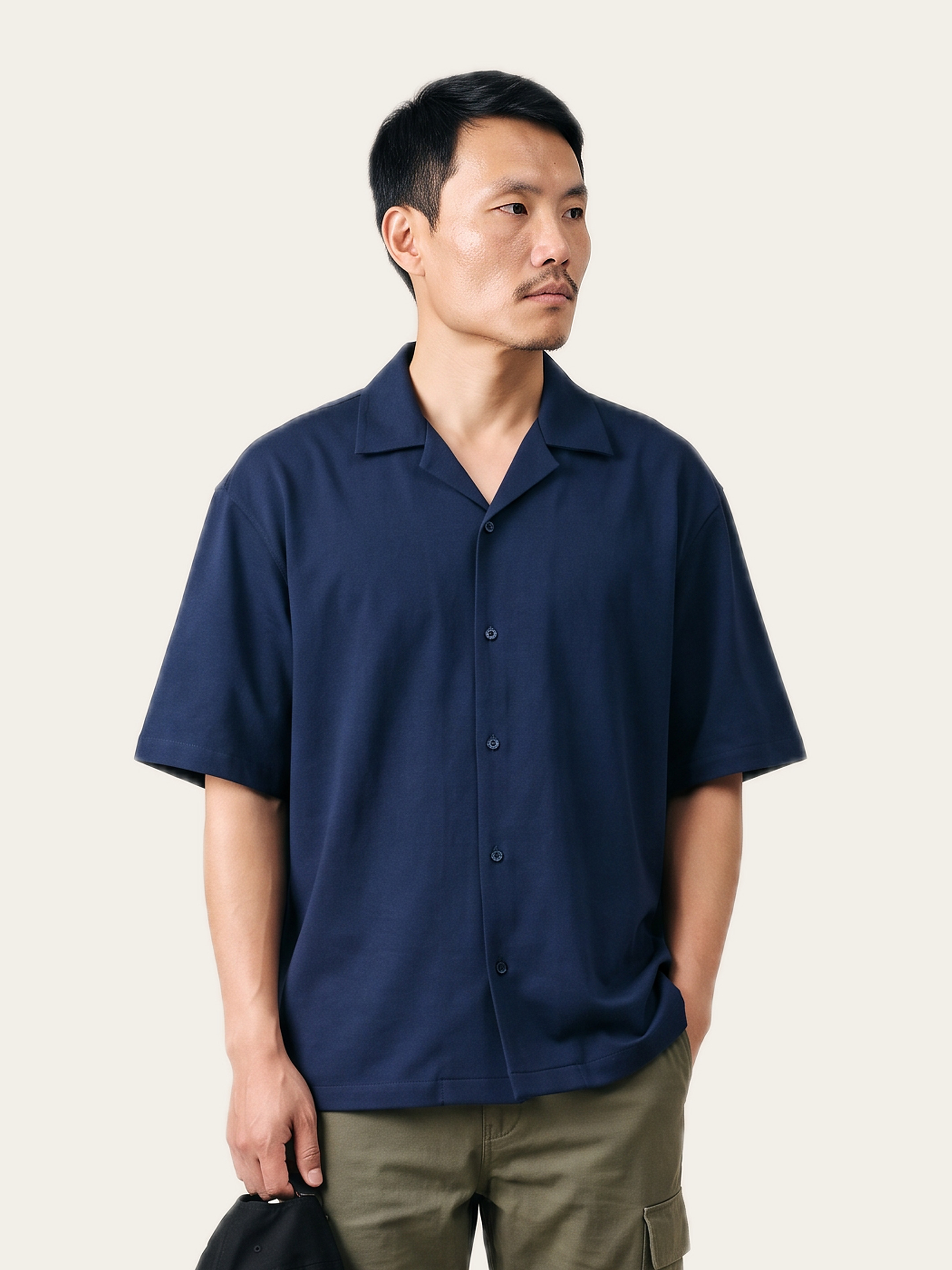
Choosing between two sizes
Measurements may vary by ±0.5 inch. If your own shirt measures 44 inches around the chest, you sit between M (43) and L (45). The medium gives a slightly neater oversize shirt; the large gives more length (29 inches) and a wider shoulder (22 inches). Pick by how you want the oversize shirt to hang, not by a fixed rule.
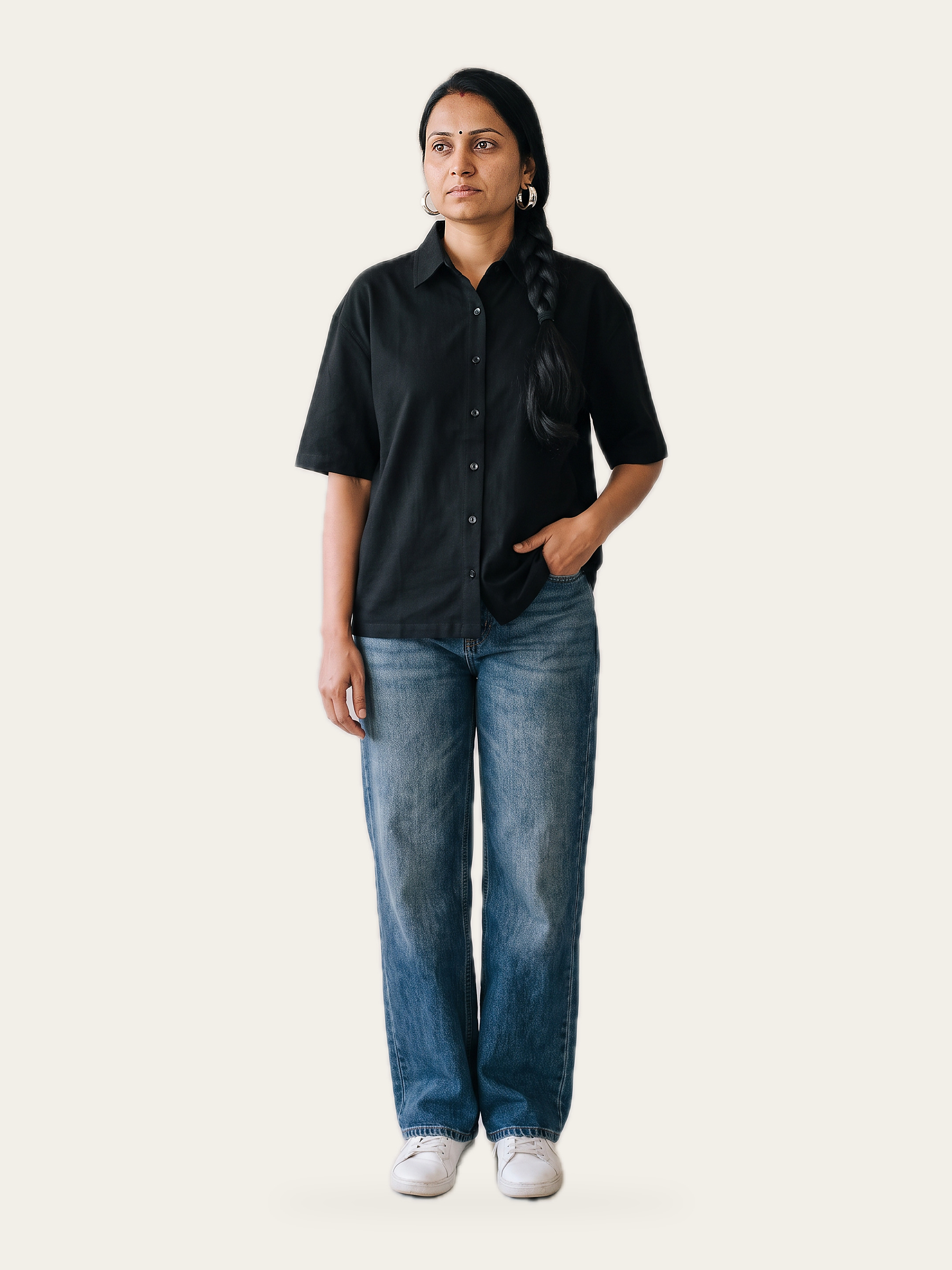
Before you reserve
Each product page has its own Size guide link beside the size options, and that takes precedence over this general chart: see the Column Oversized Shirt and the EASE Oversized Shirt. Every oversize shirt is made in India for you once you reserve it, and wrong-size selections can’t be exchanged, so write to info@ekvaar.com if anything is unclear.
Each measurement is explained in our size & fit guide. For the history of the garment, see shirt on Wikipedia.