The four things to check on any garment label
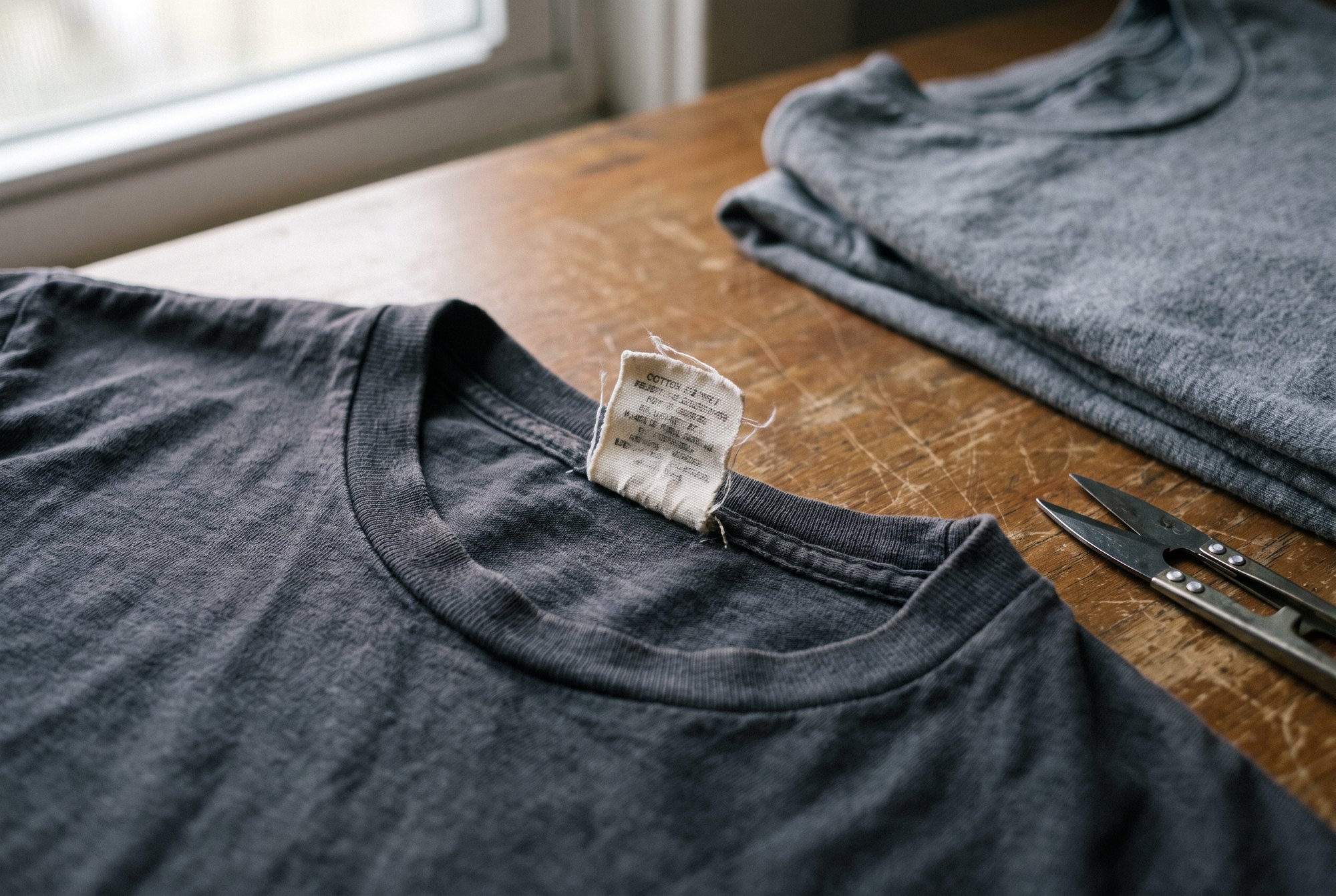
On a garment label, read the fibre blend first, then the weight in GSM, then the knit or weave name, then any finishing detail like ribbing or stretch. Those four tell you most of what you need: how it will breathe, how heavy it will feel, how it will behave in the wash, and how long its shape will last. Here is what each term means.
1. The blend: what the fibre percentages tell you
A garment label lists fibres by percentage. Some common ones:
- 100% cotton. Breathable and soft. Can shrink and wrinkle more than blends if washed hot.
- Cotton with a small share of elastane. Elastane is the stretch fibre. Even 5% adds noticeable give and helps a garment hold its shape. Our FLEX Crew Tee (₹849) is 95% cotton and 5% elastane, with a light natural stretch.
- Cotton with polyester. Polyester adds strength and resists wrinkling. The trade-off is that it breathes less than cotton. Our Contour Hoodie (₹1,999) is 90% cotton and 10% polyester.
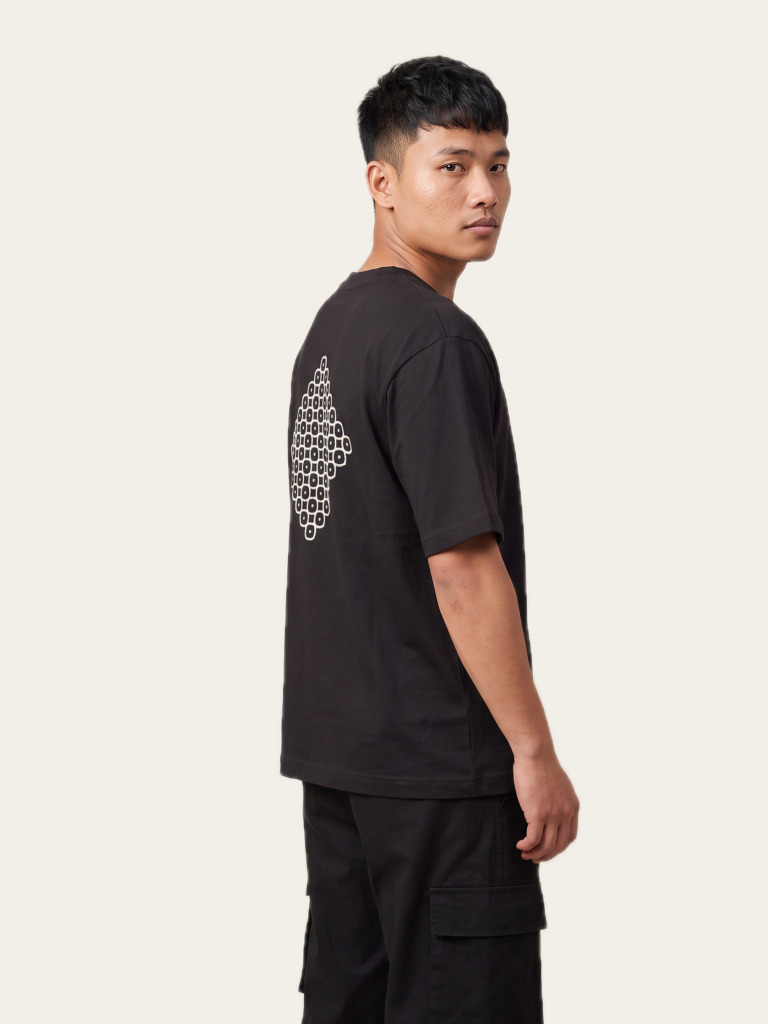
- Mostly polyester. Dries fast and is lightweight. Suits sport and warm weather, though it can feel warmer on the skin than cotton. Our Kaal Grid Oversized Tee (₹699) is 240 GSM micro-knit polyester.
A tip: the first fibre listed is the main one. If the garment label only says “cotton” and no percentage, ask what else is in it.
A word on Supima
If a garment label says Supima, that is a trademarked name for a type of long-staple American cotton. Long-staple means the individual fibres are longer, which generally gives smoother, stronger yarn. Our CORE Supima Tee (₹999) is described as a premium crew-neck tee in long-staple Supima cotton, smooth, soft and made to hold its shape.
2. GSM: how heavy the fabric is
On a garment label, GSM is grams per square metre. It is the weight of the cloth, not the weight of the garment. As a rough guide (brands differ, so treat these as approximate):
| Garment | Typical GSM | What it feels like |
|---|---|---|
| Light tee | 150 to 180 | Breathable, thin, good in heat |
| Mid-weight tee | 180 to 220 | Everyday, holds shape |
| Heavy tee | 240 and up | Structured, substantial |
| Hoodie or sweatshirt | 280 to 400 | Warm, from mid to heavy |
Real examples from our range: the CORE Crew Tee is 180 GSM; the CORE Piqué Polo is 220 GSM; the FORM Oversized Tee is a heavyweight 240 GSM; the ORIGINAL Hoodie is 300 GSM. For a deeper look at hoodie weights, read our GSM guide for Indian weather.
Remember that GSM is only weight. It says nothing about yarn quality or finishing.
3. The knit or weave: the fabric’s name
Jersey
The smooth, flat knit used in most t-shirts. Soft and stretchy in one direction.
Piqué
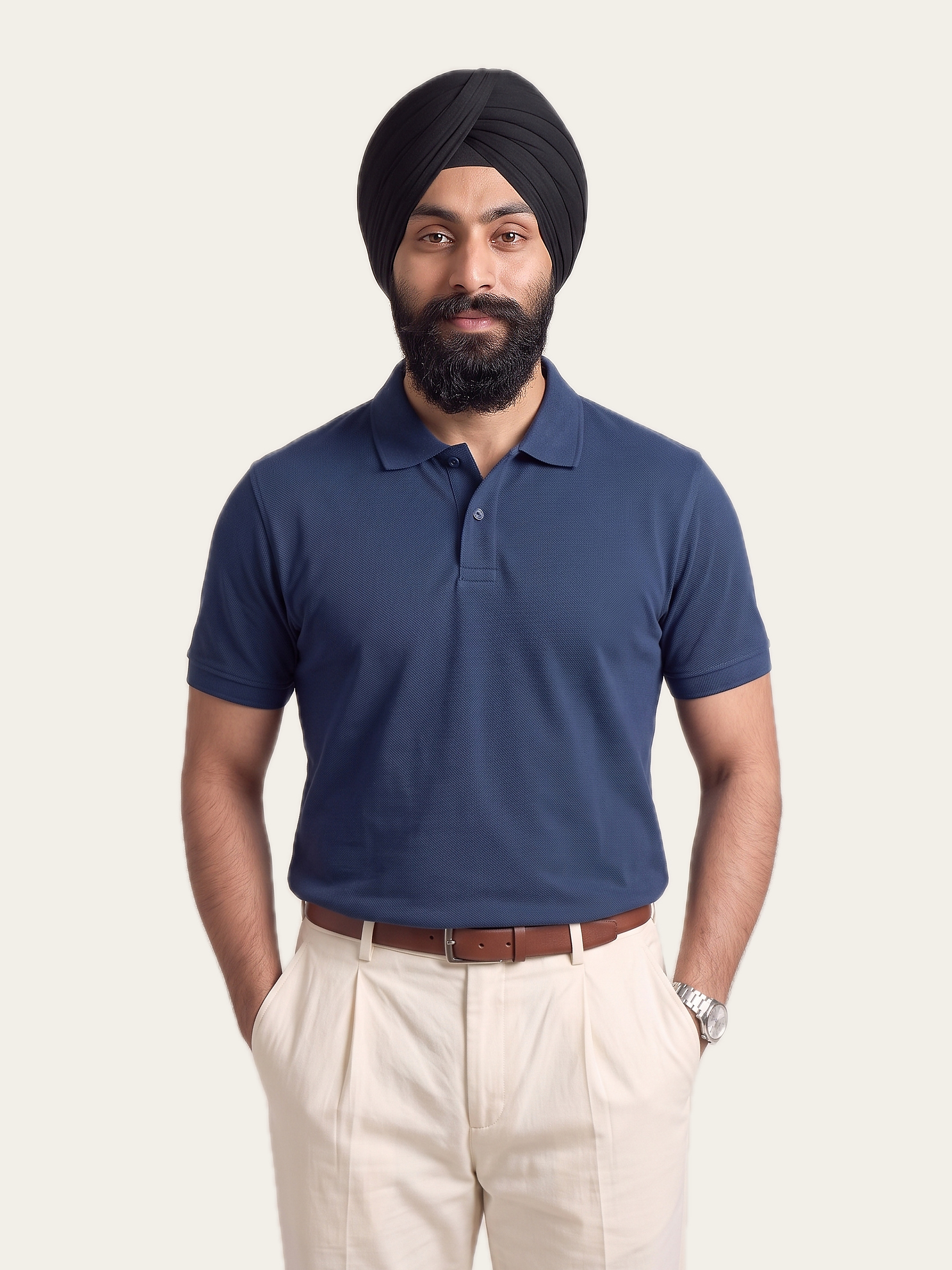
A knit with a small raised texture, often a honeycomb or waffle pattern. It is common in polos because the texture makes the fabric hold its structure and breathe well. The CORE Piqué Polo is a 220 GSM cotton piqué with a structured ribbed collar and cuffs.
Terry and French terry
Terry has small loops on the inside, which absorb moisture and add warmth. French terry is the lighter version, with soft loops inside and a smooth face. Our LOOP Shorts are soft French terry, and the ESSENCE Terry Tee is a 260 GSM terry tee in 90% cotton.
Fleece
A knit with a brushed, fuzzy inside. Warm and soft. See our explainer on brushed fleece.
Woven
Made by crossing threads at right angles, not by looping. Shirts are usually woven. Woven fabrics stretch less. The EASE Kaftan, for example, is in soft woven satin.
4. Rib and other finishing details
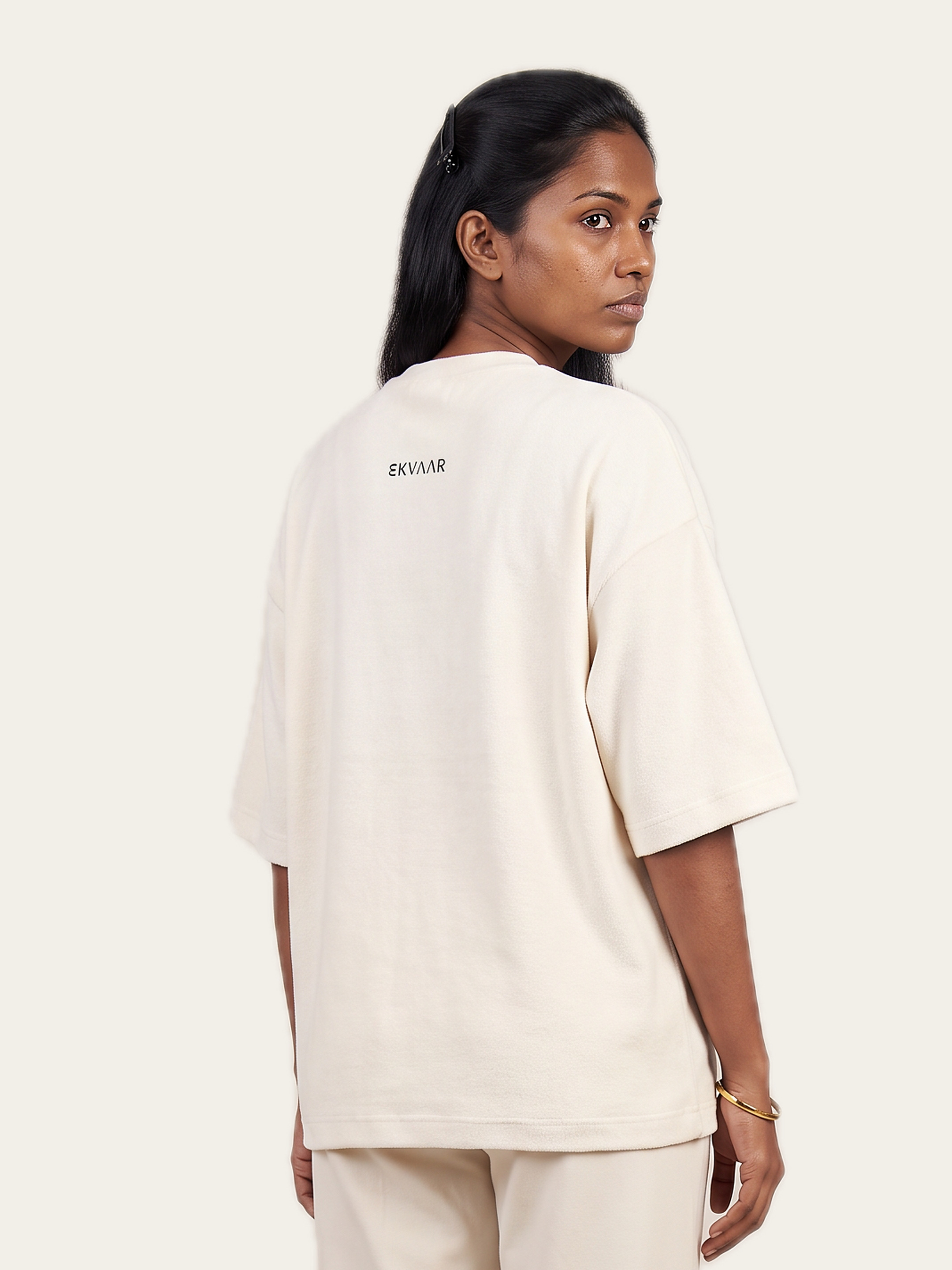
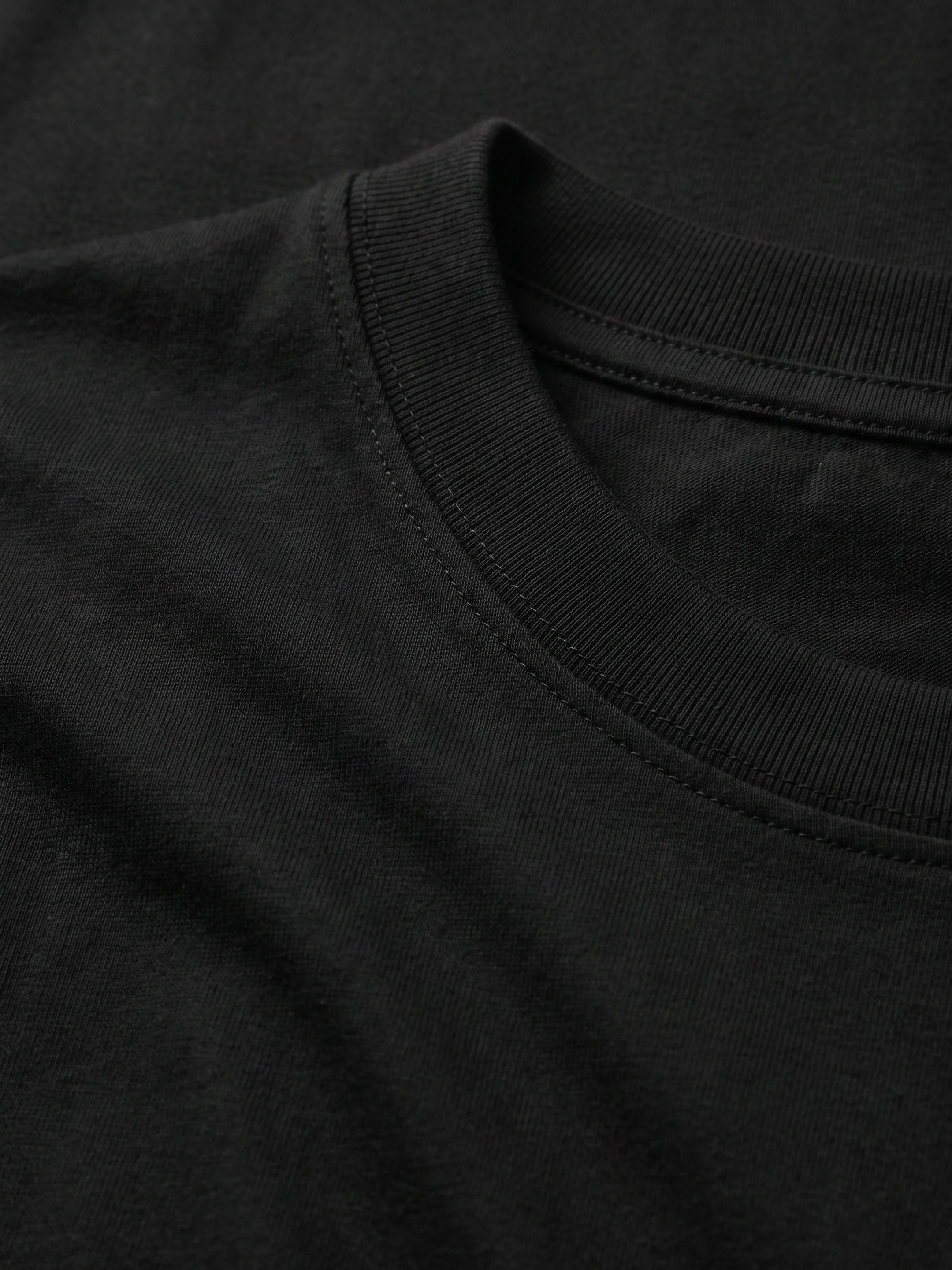
Rib is a stretchy, ridged knit used at collars, cuffs and hems. It matters because those are the parts that stretch out first. A good rib snaps back after you pull it. Descriptions that mention a ribbed collar, cuffs and hem, like our SIGNATURE Sweatshirt, are pointing to this detail.
Other terms you may see on a garment label:
- Bio-washed. A finishing step that softens the fabric and reduces surface fuzz. Our CORE Contrast Raglan is a bio-washed cotton tee.
- Drop shoulder. The shoulder seam sits lower on the arm, for a relaxed fit.
- Regular fit or oversized. Describes the cut, not the fabric.
A quick garment label checklist
- Find the main fibre and its percentage.
- Note any stretch fibre, and whether you want it.
- Check the GSM against how you will wear it.
- Match the knit name to the feel you want.
- Look for ribbing on collars and cuffs.
- Read the care instructions on the garment label and follow them.
Care matters as much as construction. See why clothes shrink, fade and bobble for how to look after what you buy.
Reading a garment label in real life: two examples
Take a tee described as “180 GSM cotton crew, unisex regular fit”. That tells you it is a mid-weight cotton tee, light enough for warm weather, cut to sit neither tight nor loose. Our CORE Crew Tee (₹749) is exactly this.
Now take “260 GSM terry, 90% cotton, oversized, drop shoulders”. This is a much heavier tee with a looped inside, made to feel substantial and relaxed. That is the ESSENCE Terry Tee (₹2,099). Same garment type, very different personality, and you can see it all from the garment label.
Red flags on a garment label or listing
- No GSM given. Descriptions like “premium heavy fabric” mean little without a number.
- No blend given. If the fibre is not listed, ask before buying.
- Only adjectives. “Ultra-soft” and “luxury feel” are marketing words. Weights, blends and knit names are facts.
- A very low price with a very high GSM. Heavy fabric costs real money to make. Be curious about what else has been saved on.
None of these prove a garment is poor. They simply mean you should ask more questions.
Which garment label terms matter most for Indian weather
If you live in a hot, humid city, look for cotton, a lighter GSM and a breathable knit like jersey or piqué. If you live somewhere cold, look for higher GSM fleece or terry. Blends with polyester dry quickly, which helps in monsoon. Our post on hoodie weights goes city by city.
Do not skip the care label
The care tag is the part of a garment label most people skip. It lists washing temperature, drying advice and sometimes ironing limits. It is written for that specific fabric, following the laundry symbols most makers use, so it beats any general advice, including ours. If you cannot find one, cool water, a gentle cycle and shade drying is a safe default for most cotton knits. Following it is the cheapest way to make a garment last longer.
FAQs
What does GSM mean on a t-shirt label?
GSM means grams per square metre, the weight of one square metre of the fabric. A higher number means a heavier cloth. Most everyday tees fall around 150 to 240.
What is piqué fabric?
Piqué is a knit with a small raised texture, often like a honeycomb. It holds structure and breathes well, which is why it is used for polos.
Is more elastane always better?
No. A small amount, around 5%, adds comfort and shape retention. Too much can change how the fabric feels and drapes, so it depends on what you want from the garment.
Does 100% cotton mean high quality?
Not automatically. Cotton varies in fibre length and how it is spun and knitted. Look at the weight, the knit and the finishing along with the fibre.
Now that you can read a garment label, browse the shop and check ours.