

Fabric for Indian cities: which suits where?
For most Indian cities, the rule is simple: match the fabric to the climate you spend most days in. Light 180 GSM cotton suits hot and humid coastal cities, piqué handles warm days that need a smarter look, terry suits cool mornings and air-conditioned rooms, and brushed fleece is for genuinely cold winters. Most people in Indian cities need two or three fabrics, not ten.
Indian cities are too varied for one rule; the climate of India runs from humid coasts to dry heat to cold northern winters. A hoodie that feels perfect on a Delhi January morning is unbearable in Chennai. The good news is that a small set of fabrics covers almost everything. Below we go through each one, what it feels like, and where it works best. Notes on Indian cities are general and hedged, because weather changes year to year and from one neighbourhood to the next.

First, a quick word on GSM
GSM means grams per square metre. It tells you how heavy a fabric is for its size. Higher usually means thicker and warmer, lower means lighter and airier. It is not a measure of quality by itself, since the fibre, the knit and the finishing matter too. Our guide on what GSM a hoodie should be goes deeper. Here we use it only as a rough sense of weight.
Cotton jersey (about 180 GSM): the everyday fabric
This is the classic tee fabric. It is smooth, breathable and easy to wash. At around 180 GSM it is mid-weight: not see-through, not heavy. It lets air pass and dries fairly quickly.
Best for: hot and humid places and everyday wear all year. Think of Indian cities like Chennai, Mumbai, Kochi, Hyderabad, Kolkata in the warm months, and layered under a sweatshirt in cooler places.
Try: the CORE Crew Tee, a 180 GSM cotton crew tee in a unisex regular fit, mid-weight and soft from the first wear. It comes in all six of our colours: Noor Black, Rui White, Agni Red, Neel Blue, Arav Green and Gulabi Pink.
Piqué (about 220 GSM): warm days with structure
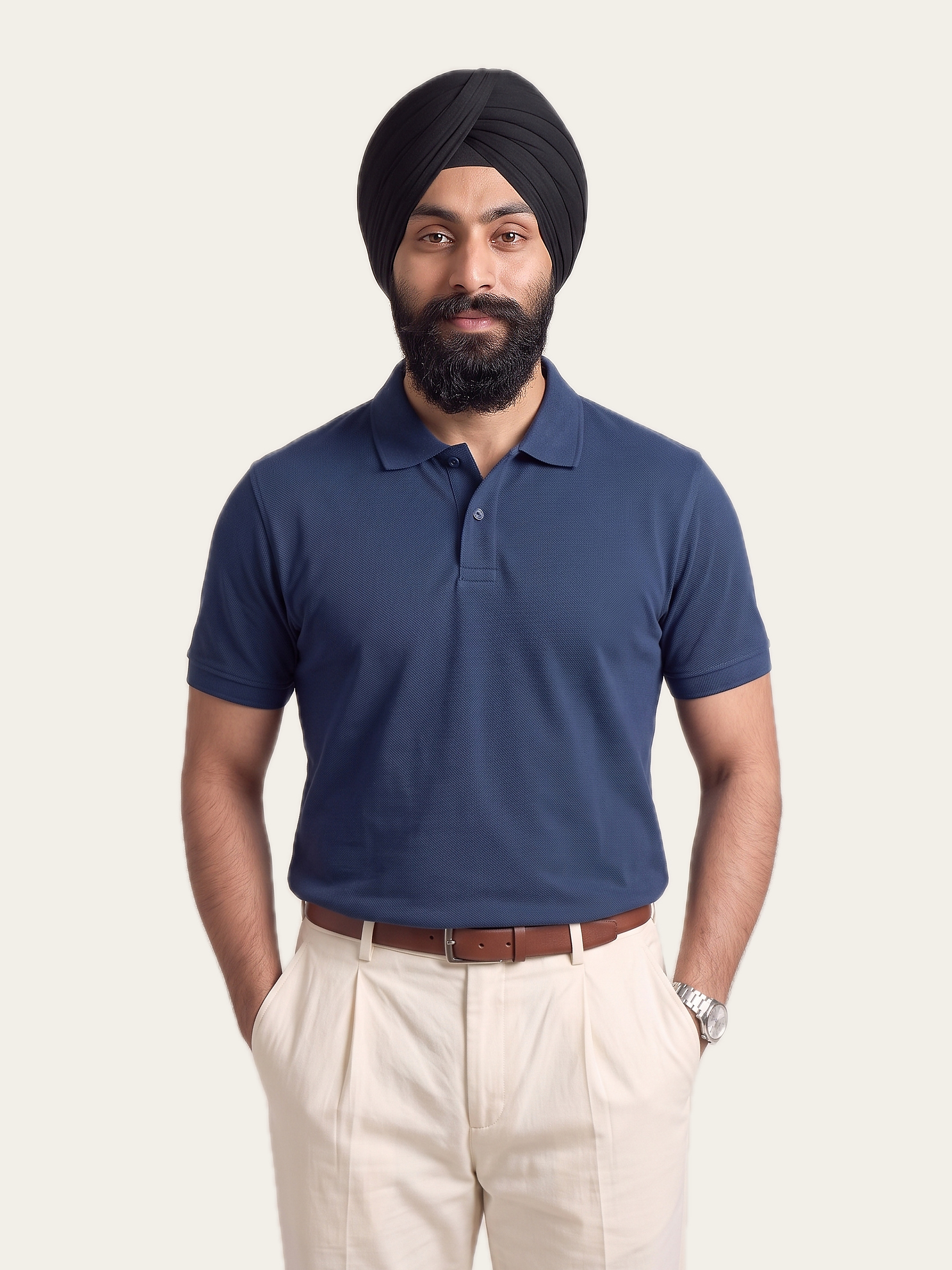
Piqué has a small textured, waffle-like surface. That texture holds a little air away from your skin, so it feels crisp rather than clingy. It also keeps its shape well at the collar, which is why polos are made in it.
Best for: warm weather when you want to look put together, such as offices, meetings, travel days and weekend lunches. It works well in Bengaluru afternoons, Pune summers and Ahmedabad heat, where a plain tee can feel too casual.
Try: the CORE Piqué Polo, a 220 GSM cotton piqué polo with a structured ribbed collar and cuffs, in a regular fit.
Terry and looped French terry: soft, roomy, in between
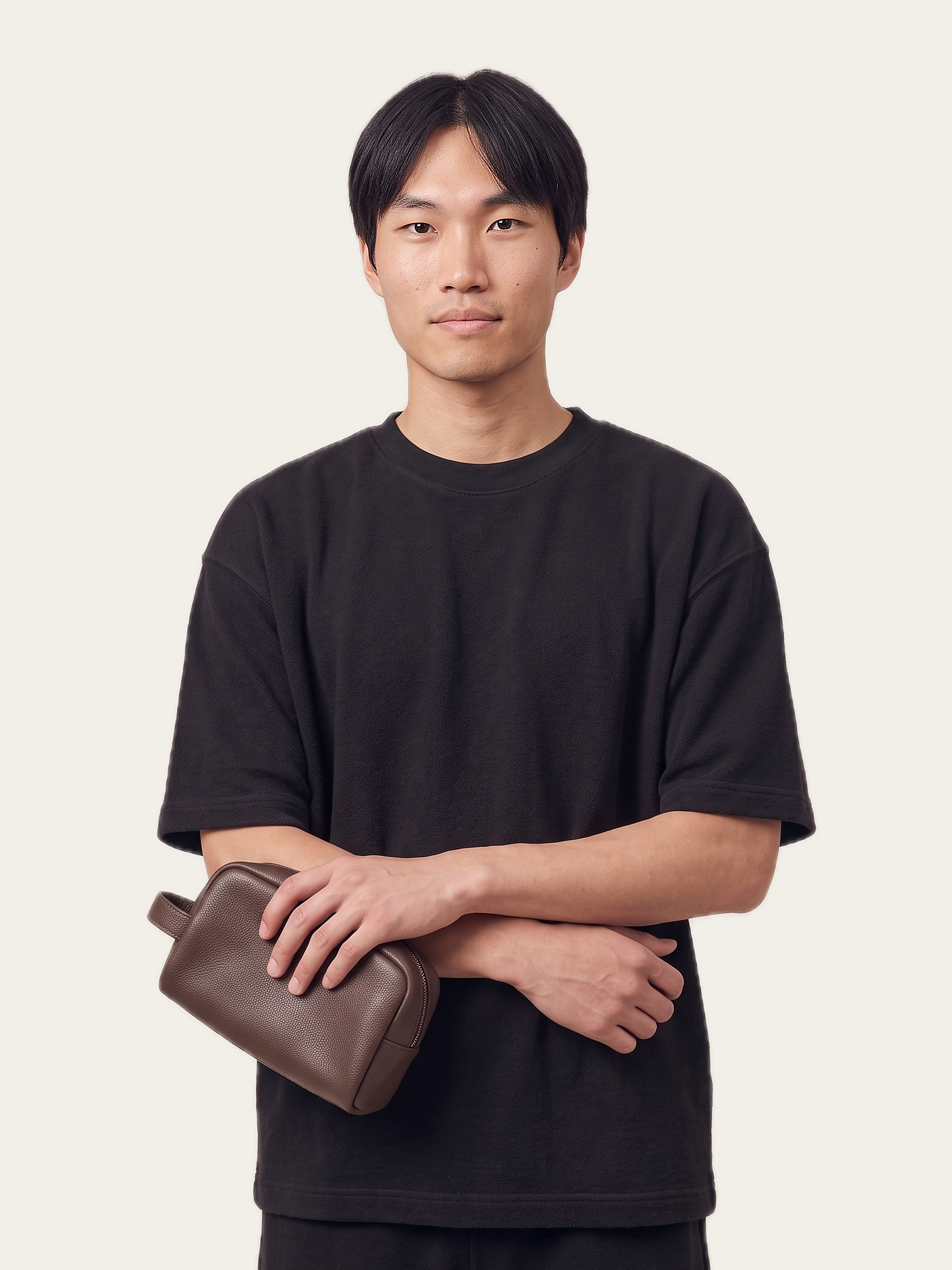
Terry has small loops on the inside. Those loops make it soft and give it body without the heavy feel of fleece. It is the fabric for cool evenings, for rooms with the AC turned up, and for slow days at home.
Best for: mild seasons and cool-but-not-cold weather. It suits Bengaluru through much of the year, Pune in the monsoon and post-monsoon months, and any city when you sit in strong air conditioning.
Try: the LOOP Oversized Tee, a roomy, drop-shoulder tee in looped French terry, and the CORE Pullover Hoodie, a soft terry pullover with a clean hood and pouch pocket.
Brushed fleece (300 to 400 GSM): real winter
Fleece is brushed on the inside to raise a soft, warm surface. It traps body heat well. It is also the fabric to avoid when it is warm, because it holds the heat in.
Best for: cold mornings, hill trips and proper winters. Among Indian cities, Delhi, Chandigarh, Jaipur, Lucknow and the hills are the obvious homes. In Bengaluru and Pune, a few weeks of the year call for it, usually early mornings and late nights.
Try: the ORIGINAL Hoodie, a 300 GSM brushed cotton fleece with a lined hood and pouch pocket, or the ORIGINAL Zip Hoodie, a 400 GSM brushed-fleece full-zip in 90% cotton, easy to open when a room warms up.
Indian cities, city by city, in plain terms
| City type | Everyday pick | Cooler days |
|---|---|---|
| Hot and humid coast (Chennai, Mumbai, Kochi) | 180 GSM cotton jersey | Light terry, usually only for AC rooms |
| Hot and dry (Ahmedabad, Jaipur summers, Nagpur) | Cotton jersey, piqué | Terry for evenings |
| Mild and changeable (Bengaluru, Pune, Hyderabad) | Cotton jersey, piqué | Terry, brushed fleece a few weeks a year |
| Cold winters (Delhi, Chandigarh, Lucknow, hills) | Cotton jersey as a base layer | Brushed fleece 300 to 400 GSM |
These are starting points for Indian cities, not rules. If you feel the cold easily, go one step warmer. If you run hot, go one step lighter. For a fuller winter plan, see what to wear in a Bengaluru, Delhi and Pune winter.
Humidity matters as much as heat
Two Indian cities at the same temperature can feel very different. In humid places, sweat does not evaporate easily, so a fabric that breathes and dries fast matters more than one that is thin. Cotton does this reasonably well. Very heavy fabric in humid weather stays damp longer and takes longer to dry after washing.
In dry heat, fabric that stays close and light still helps, but a bit more coverage can actually feel cooler because it shields skin from the sun. That is why loose cotton is so common across hot, dry regions.
Layering beats buying a heavy piece
Many Indian cities have only one cold month. If yours does, you do not need a wardrobe of heavy clothes. Layer instead. A cotton tee, a terry or light sweatshirt over it, and one fleece hoodie for the coldest days will handle the change of season. Layers also give you choices through the day, since you can take one off when the sun comes out.
It also helps to think about travel. If you move between Indian cities, pack light layers first: a cotton tee, a piqué polo and one zip hoodie you can remove easily. A zip is quicker to take off in an airport, a train or a warm office than a pullover.
Colour helps too
Our six permanent colours are Noor Black, Rui White, Agni Red, Neel Blue, Arav Green and Gulabi Pink. In the hotter Indian cities, lighter colours such as Rui White and Gulabi Pink reflect more sun. Darker colours look sharp and hide marks, but they absorb more heat in direct sun. Since every colour sits in one small palette, your fabrics mix easily across seasons.
Quick buying guide for Indian cities
- Live somewhere hot and humid? Start with cotton jersey and add one terry piece for AC rooms.
- Live somewhere with a real winter? Add one 300 GSM or 400 GSM fleece hoodie.
- Somewhere in between? Cotton, piqué, and one terry or fleece layer for the cooler weeks.
- Travel often? Choose pieces that layer and a zip that opens fast.
Whatever you choose, look at the label or product page for GSM and blend. If you are unsure how to read them, this guide to hoodie GSM is a good place to start.
FAQs
Which fabric is best for Indian summers?
Lightweight cotton jersey, around 180 GSM, is a reliable choice because it breathes and dries quickly in most Indian cities. Piqué is a good alternative when you want a smarter look. Avoid heavy fleece and thick terry in hot weather.
Is fleece too hot for Bengaluru or Pune?
For most of the year, yes. But early mornings and late nights in cooler weeks can call for it. A single fleece hoodie or zip hoodie is usually enough, worn over a cotton tee.
What is the difference between terry and fleece?
Terry has small loops inside and feels soft with moderate warmth. Fleece is brushed on the inside to raise a fuzzy, warmer surface. Terry suits mild weather, fleece suits cold.
Does higher GSM mean better quality?
Not by itself. It means heavier. Quality also depends on the fibre, how the fabric is knit and finished, and how well the garment is made. Choose the weight that fits your climate first.
Find the fabric that fits your city in the shop.


