A minimalist wardrobe is a small set of clothes that you actually wear, in colours that go together, in fabrics that last. You do not need a magic number of pieces. Use the checklist below to see what you own, find the gaps, and buy only what fills one.

How to use this checklist
This minimalist wardrobe checklist lives on this page. Read it on your phone with your wardrobe open, and tick each line in your head as you go. Nothing to download and nothing to sign up for. Be honest with each line. A checklist only helps if the answers are true.
Work through your minimalist wardrobe in order: colours first, then the basics, then layers, then fabric, then the final check. It takes about half an hour the first time.
Step 1: Pick your colours
Minimal does not mean grey. It means fewer decisions. When most of a minimalist wardrobe shares a small palette, everything goes with everything and getting dressed gets quicker.
- ☐ I have chosen a base of two or three colours I wear most.
- ☐ I have one accent colour I like enough to wear often.
- ☐ Most of my tops go with most of my bottoms.
- ☐ I can name the colours I never reach for, and I have stopped buying them.
EKVAAR keeps six permanent colours: Noor Black, Rui White, Agni Red, Neel Blue, Arav Green and Gulabi Pink. The CORE Crew Tee comes in all six, so it is an easy way to test a palette before you commit to it.
Step 2: Check your tees
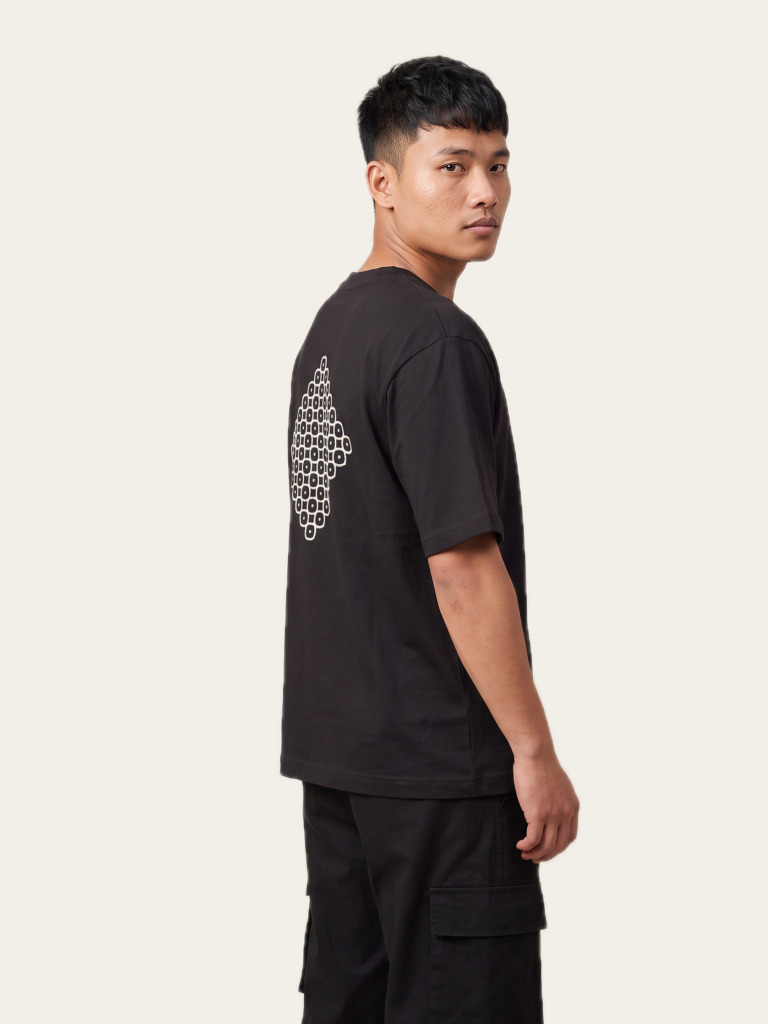
Tees do most of the work in an Indian summer, and they are also where clothing gets replaced most often. Get these right first in a minimalist wardrobe.
- ☐ I have at least three tees I would happily wear out of the house.
- ☐ At least one is white or off-white and one is black.
- ☐ The neckline on each one still sits flat and has not stretched out.
- ☐ Each tee is a fit I like, whether regular or oversized, and I know which I prefer.
- ☐ None of them are kept only for the house or for sleeping.
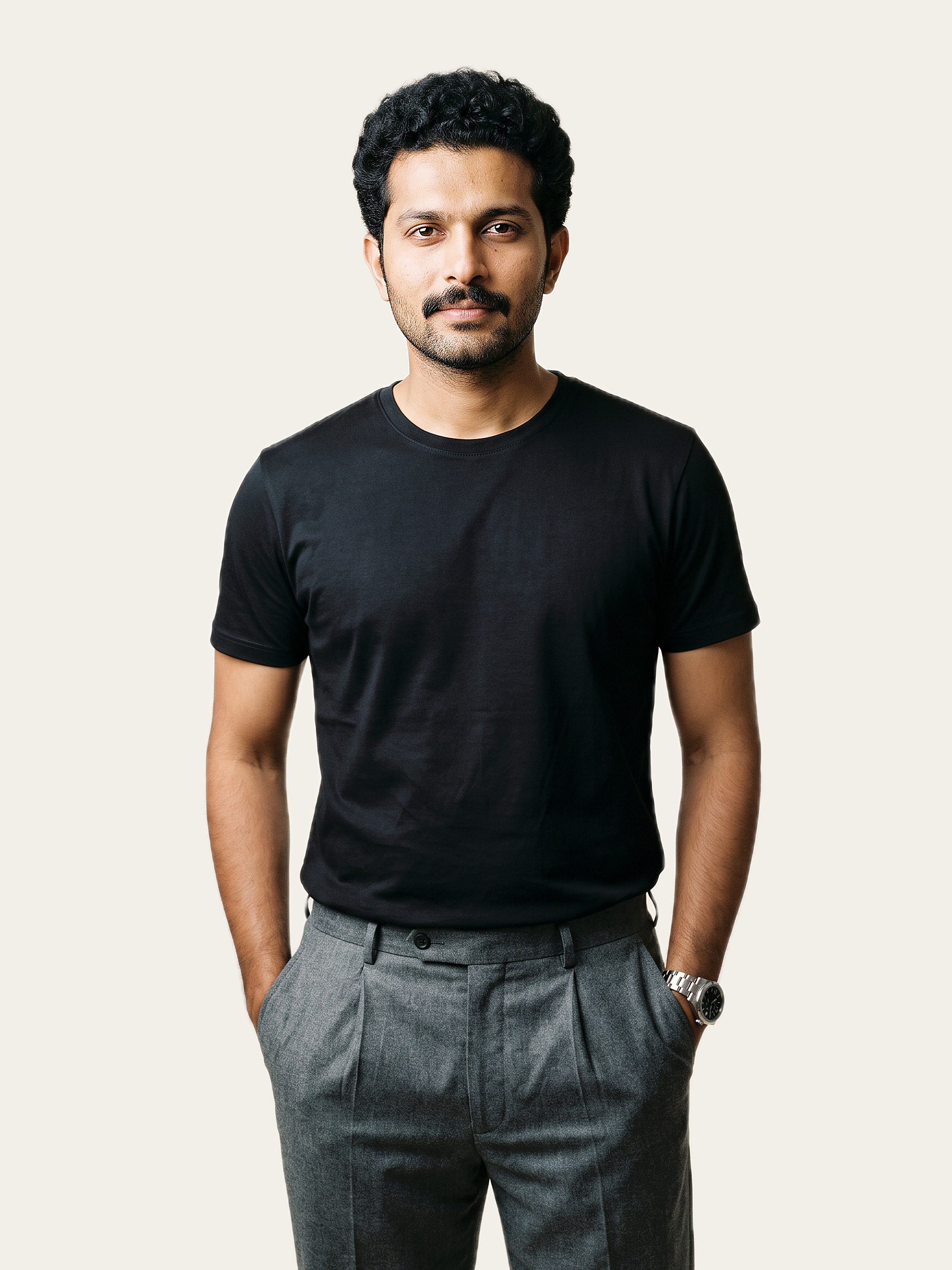
A good starter set is the CORE Crew Tee at ₹749 (180 GSM cotton, unisex regular fit) and the DAILY Tee at ₹649, a light, soft crew neck. If you want one step up, the CORE Supima Tee at ₹999 is cut from long-staple Supima cotton.
Step 3: Check your layers
One good layer often replaces three average ones. This is the part of a minimalist wardrobe where quality is easiest to feel.
- ☐ I own one hoodie or sweatshirt I reach for first when it gets cool.
- ☐ It is heavy enough to hold its shape and not go limp after a few washes.
- ☐ It fits over a tee without pulling, and I have tried it with my other pieces.
- ☐ I do not own several similar hoodies where one would do.
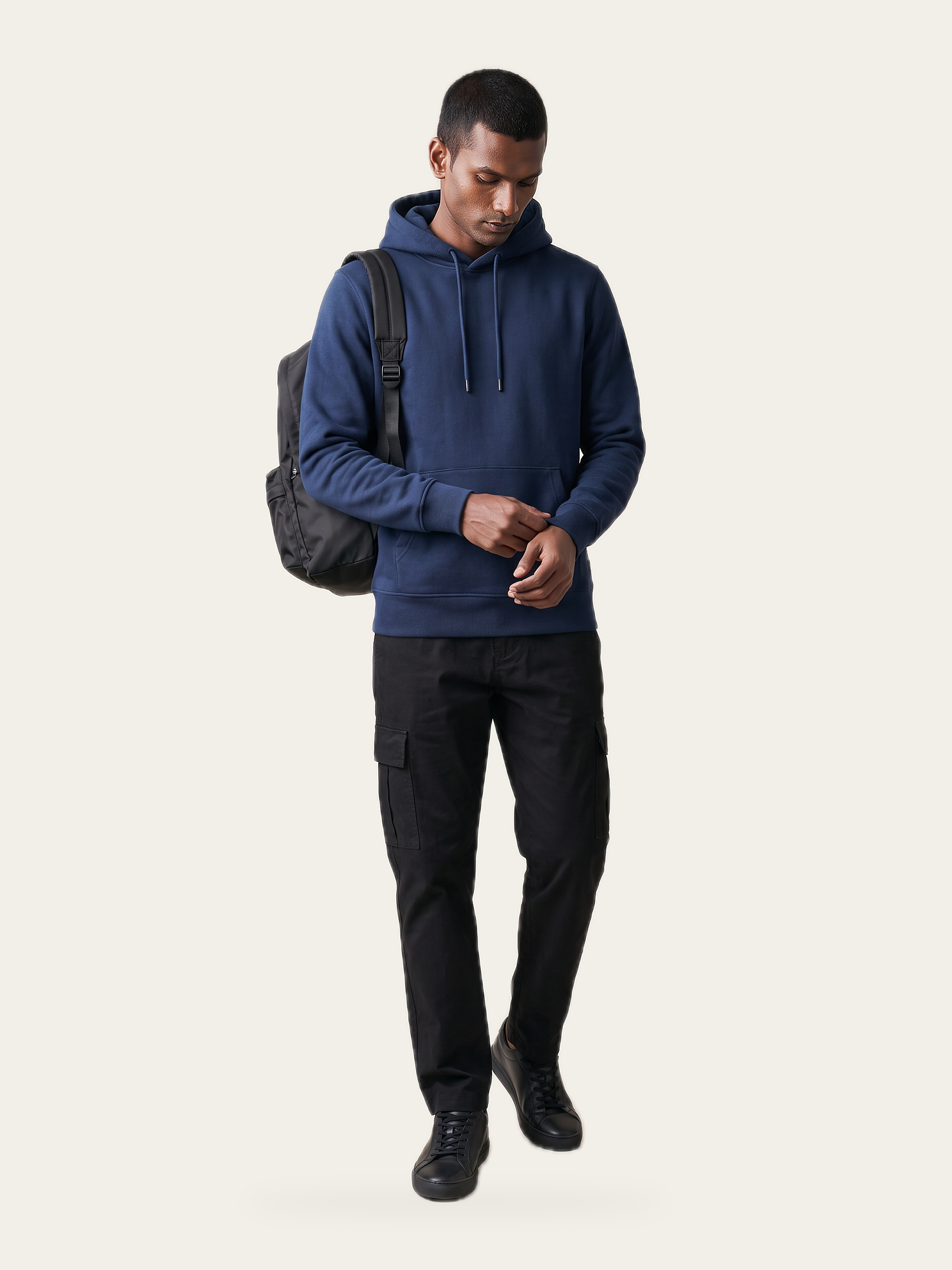
The ORIGINAL Hoodie is ₹1,299 in a 300 GSM brushed cotton fleece with a lined hood and a front pouch pocket. The CORE Pullover Hoodie at ₹1,249 is a soft terry pullover built for daily wear. Pick one, not both.
Step 4: Check your bottoms
- ☐ I have one pair of comfortable bottoms for home and travel.
- ☐ I have one pair I would wear to meet friends or go out to eat.
- ☐ Each pair works with at least three of my tops.
- ☐ I know which ones I wear on repeat and which ones just take up space.
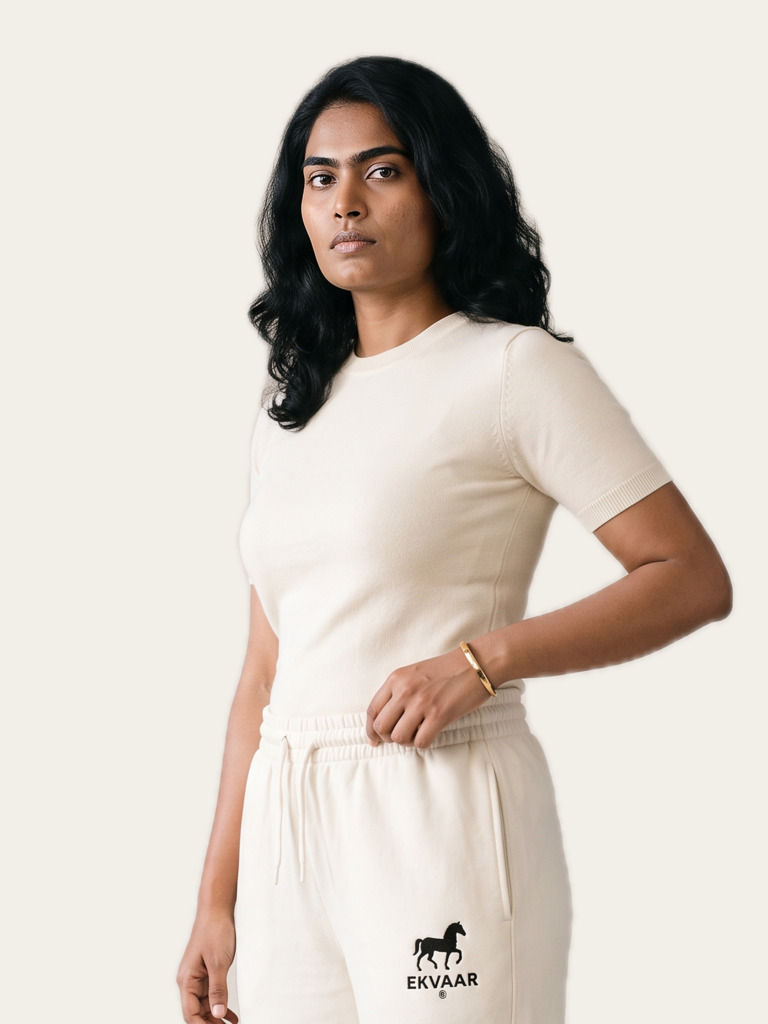
For easy days, the EASE Joggers are a relaxed cotton jogger with a tapered leg, ribbed waist and cuffs, at ₹1,149. They are made for slow mornings and travel.
Step 5: Check the fabric and the make
This is where most attempts at a minimalist wardrobe quietly fail. Two pieces that look the same in a photo can feel very different after ten washes. Look at each item you own and ask the questions below.
- ☐ I know the fabric of my most-worn pieces (cotton, blend, polyester).
- ☐ I can find the GSM or weight on the pieces I plan to keep buying.
- ☐ Seams are straight and the hem has not twisted after washing.
- ☐ Colour has not faded to a different shade after a few washes.
- ☐ I would choose the same piece again today.
GSM means grams per square metre, and it tells you how heavy the cloth is. A 180 GSM tee is a mid-weight everyday tee. A 300 GSM hoodie is thick. A 400 GSM piece is heavy. Higher is not always better, but it tells you what to expect. We list GSM on our product pages where it applies, so you can compare.
Step 6: The one-year test
- ☐ I have pulled out everything I have not worn in the last twelve months.
- ☐ For each one I have decided: keep on purpose, pass on, or repair.
- ☐ I have not bought anything new while doing this.
- ☐ I have written down the two or three real gaps I found.
Do not rush this. In a minimalist wardrobe, keeping a piece for a reason is fine. Keeping it out of guilt is not. If you cannot say when you will wear it, it is probably time to pass it on to someone who will.
Step 7: Before you buy anything
- ☐ It fits a gap on my list and not a mood.
- ☐ It goes with at least three things I already own.
- ☐ I can see myself wearing it thirty times.
- ☐ I know its fabric, weight and fit from the product page.
- ☐ I have waited a few days and still want it.
Cost per wear is a good way to test the last two. We wrote about it in Cost Per Wear: Why a ₹1,299 Hoodie Beats a ₹599 One. If you are comparing your options to fast fashion, Fast Fashion Alternatives in India That Are Still Affordable covers what to look for.
A small minimalist wardrobe starter set
If you are starting a minimalist wardrobe from very little, this is one way to begin. It is a suggestion, not a rule.
| Piece | Why | Price |
|---|---|---|
| CORE Crew Tee (two colours) | Your everyday base | ₹749 each |
| CORE Supima Tee | A step-up tee for better days | ₹999 |
| ORIGINAL Hoodie | Your main layer | ₹1,299 |
| EASE Joggers | Easy bottoms | ₹1,149 |
That is five pieces, and together they cost ₹4,945. Shipping is free across India, and each piece is made for you once you reserve it.
What to remember
A minimalist wardrobe is not about owning less for its own sake. It is about owning clothes you trust. Fewer colours, better fabric, and a clear reason for every piece. Tick the boxes above, find your two or three gaps, and fill them slowly. The idea overlaps with what is often called a capsule wardrobe.
FAQs
How many clothes does a minimalist wardrobe need?
There is no single number. A working range for many people is 25 to 40 pieces including outerwear, but the better test is whether every item gets worn. If most of your closet rotates through the month, the count is right for you.
Should a minimalist wardrobe be all black and white?
No. A small palette you actually like is what matters in a minimalist wardrobe. EKVAAR keeps six permanent colours (Noor Black, Rui White, Agni Red, Neel Blue, Arav Green and Gulabi Pink), and most people pick two or three of them as a base.
Do I have to throw everything out first?
No. Go through the checklist, set aside what you have not worn in a year, and decide slowly. Passing on pieces you no longer wear is enough. Fill gaps one item at a time.
Where should I start if I own very little?
Start your minimalist wardrobe with two tees and one hoodie in colours that work together. Wear them for a few weeks, then notice what you keep reaching for and what is missing.
When you know your gap, browse the shop and take your time.