Why clothes shrink, fade and bobble
Clothes shrink because heat and agitation let stretched fibres relax back to their natural size. They fade because detergent, hot water and sunlight strip and break down dye. They bobble because loose fibres rub together and tangle into small balls. All three are largely preventable with cooler water, gentle cycles, inside-out washing and drying in the shade.
None of this needs special products. It needs a few habits. Here is why clothes shrink, fade and bobble, and what to do about each problem.
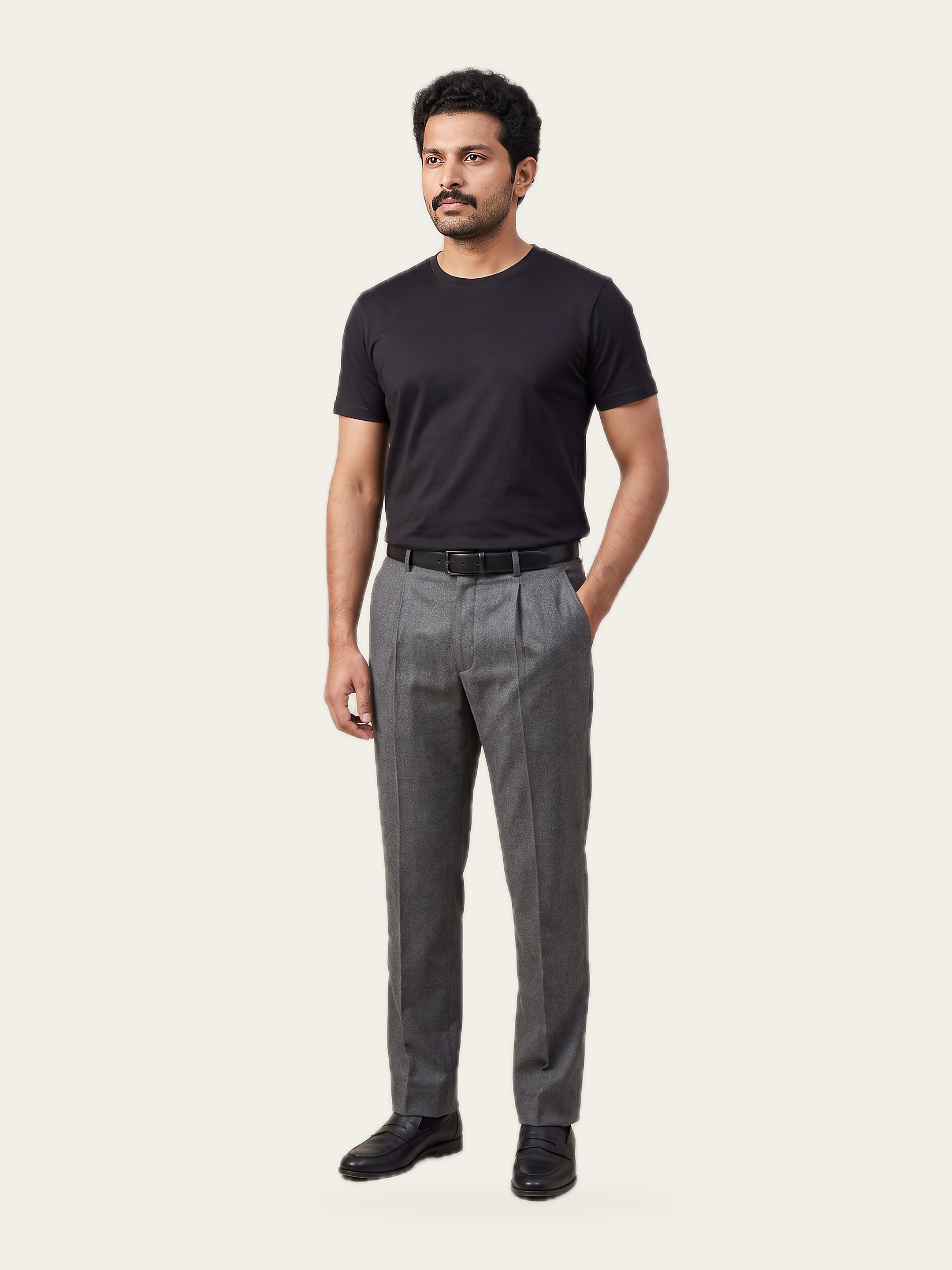
Why clothes shrink
Fabric is made by pulling fibres into yarn and then knitting or weaving that yarn under tension. During manufacturing, the cloth is stretched. Cotton fibres, in particular, tend to relax back when they get wet, warm and are tumbled about. That is when clothes shrink: the garment gets shorter or narrower. This is known as fabric shrinkage, and cotton is especially prone to it.
What makes clothes shrink more
- Hot water. Heat encourages fibres to relax and contract.
- The dryer. Heat plus tumbling is the biggest reason cotton clothes shrink.
- Long, hard spins. Agitation pulls the fabric around while it is wet and weak.
What helps
- Wash in cold or cool water.
- Skip the tumble dryer. Air-dry flat or on a hanger.
- Check the care label and follow it. Fabrics differ.
- Choose a fabric that is set well and knitted densely. It is not a guarantee, but it usually helps.
Also, expect some settling. Many cotton clothes shrink a little in the first wash or two, and then stay stable. Plan for it when you choose a size, and if you are between sizes, read the size guide on the product page.
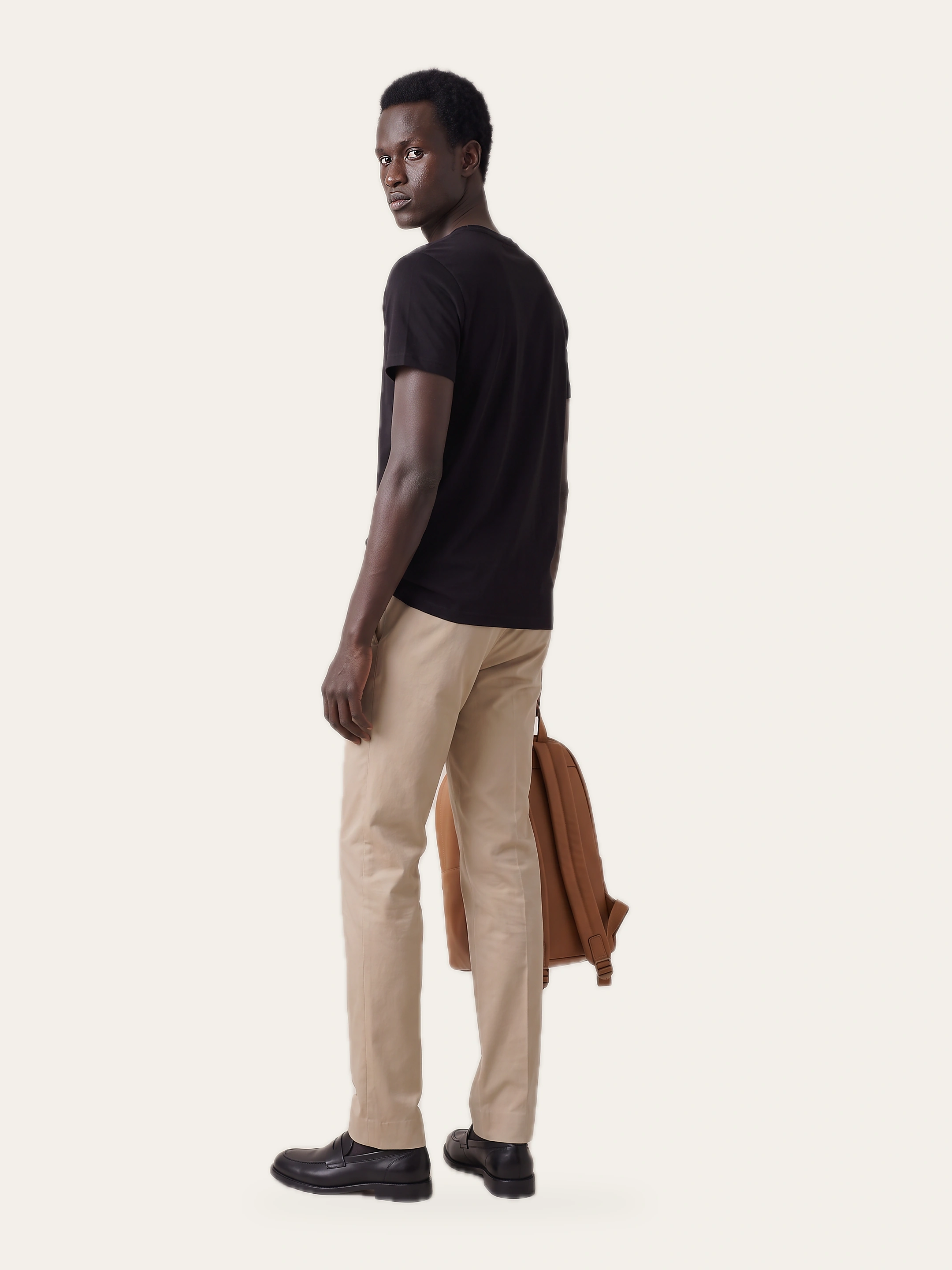
Why clothes fade
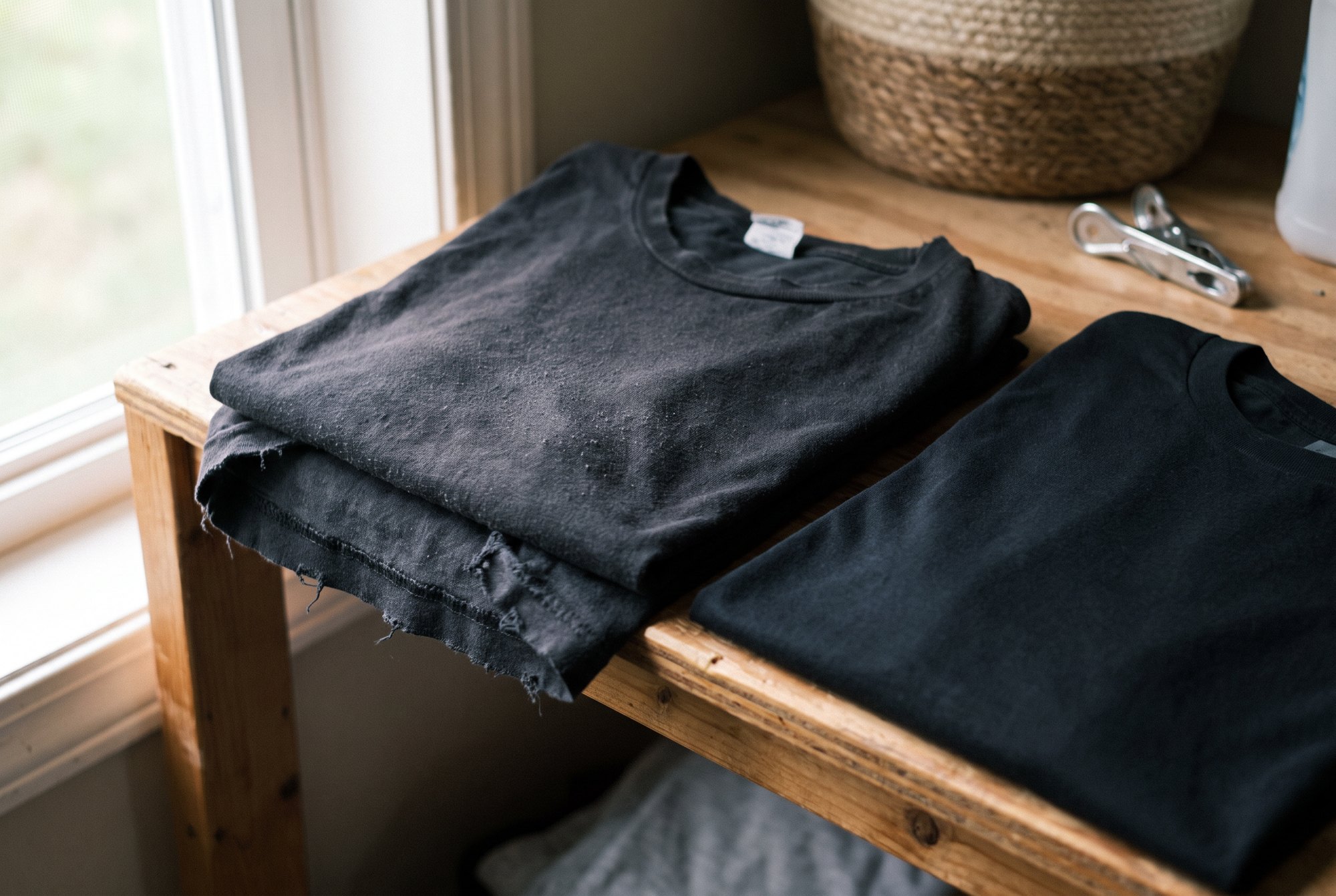
Dye sits in or on the fibre. Each wash loosens a little of it. Fading speeds up when the wash is hot, the detergent is harsh, or the clothes spend hours in direct sunlight while drying.
What helps
- Turn garments inside out. The outer face rubs less against the drum and other clothes.
- Wash dark colours together. Noor Black, Neel Blue and Arav Green belong in the same load.
- Use a mild detergent. Use the amount recommended, not more.
- Dry in shade. Strong Indian sun is hard on colour, especially on black and red. Agni Red and Noor Black both look their best when they are not sunbaked.
- Wash less often. Hoodies and sweatshirts rarely need a wash after every wear. Airing them out often does the job.
Some fading over the years is normal, and many people like it. What you want to avoid is patchy fade after only a few washes.
Why clothes bobble
Bobbles, also called pilling, form when loose or short fibres at the surface work loose and rub against each other. They twist into little balls that stay attached to the fabric. You see them most where there is friction: under the arms, on the sides, at cuffs, and where a bag strap rests.
What causes it
- Short fibres. They escape from the yarn more easily. Long-staple cotton, such as the Supima in our CORE Supima Tee, is generally less prone to this because longer fibres stay locked into the yarn.
- Loose or soft-spun yarn. Feels soft new but sheds faster.
- Friction. Rubbing against bags, seat belts, other clothes in the wash or the drum.
- Blends. Polyester fibres are strong, so once a bobble forms, it can cling instead of wearing off. This is a general trait of some blends, not something we can say about any one piece.
What helps
- Wash inside out, on a gentle cycle.
- Do not wash rough items like jeans or zips with your soft tops.
- Skip fabric softener on fleece, as it can coat the fibres.
- If bobbles do appear, remove them gently with a fabric shaver. Avoid pulling them off by hand, because that tugs the yarn.
Fleece and brushed fabrics are more likely to fuzz simply because their surface is raised on purpose. Our guide to brushed fleece explains why.
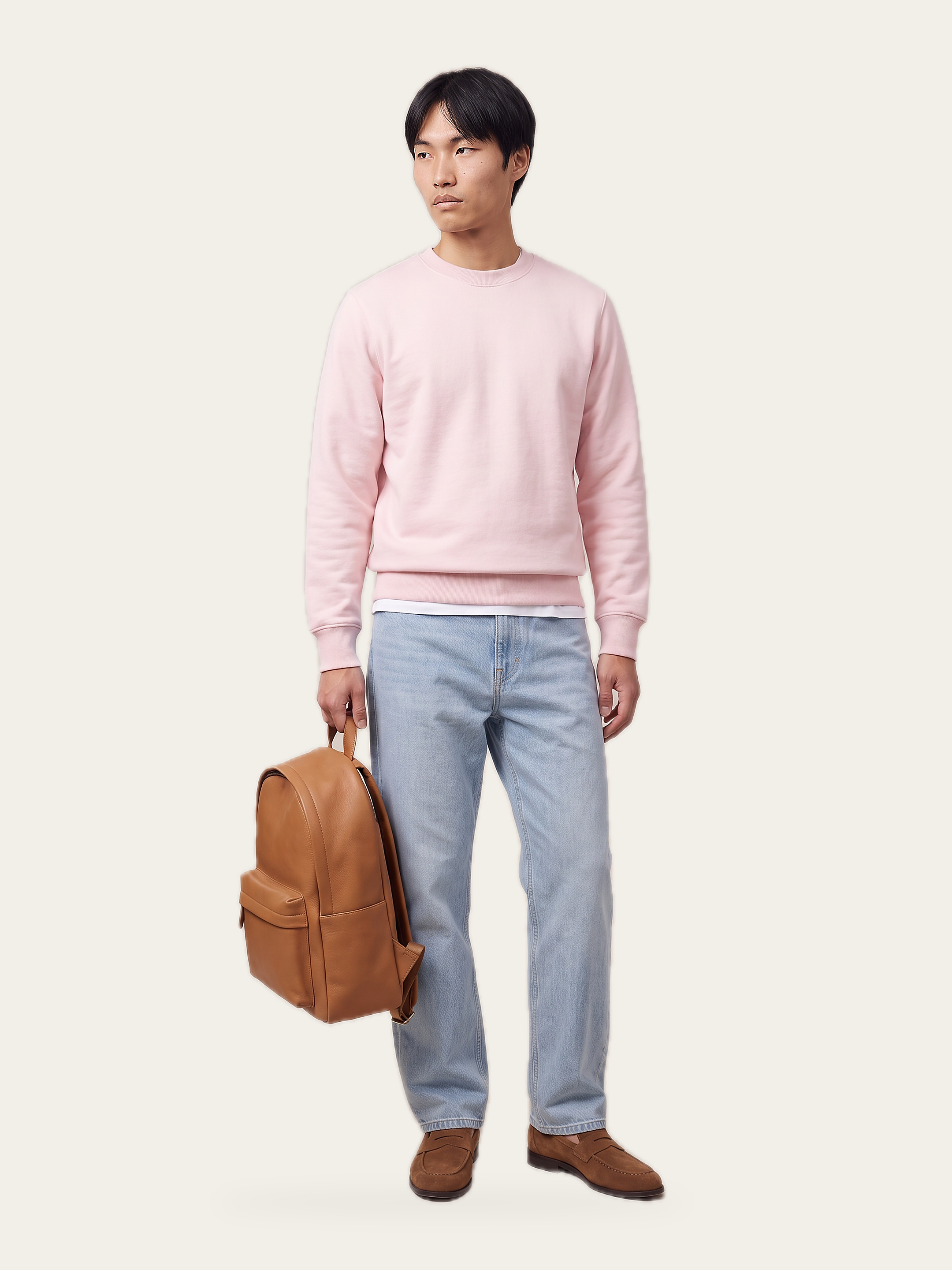

A simple wash routine so clothes shrink, fade and bobble less
- Sort by colour: darks with darks, lights with lights.
- Turn everything inside out. Close zips and drawstrings.
- Choose a gentle cycle and cool water.
- Use a small amount of mild detergent.
- Skip the dryer. Dry in shade, flat or on a wide hanger.
- Store folded when knitwear is heavy, so the shoulders do not stretch on a hanger.
We go further in our guide to washing a hoodie so it lasts.
Buy with care in mind
Care starts before the wash. Reading the label helps you predict how a garment will behave. Fibre, weight and knit all matter. Our label-reading guide covers each one. For everyday wear, the ORIGINAL Hoodie (₹1,299) is a 300 GSM brushed cotton fleece, and the CORE Crew Tee (₹749) is a 180 GSM cotton crew. Follow the care label on whichever you pick.
Common myths
“Expensive clothes never shrink or fade”
Good fabric and finishing help, but even well-made cotton clothes shrink with heat or rough washing. Care matters at every price.
“A hot wash cleans better”
For everyday clothes, cool water with a proper detergent cleans well. Heat mainly adds wear.
“Fabric softener makes clothes last longer”
It makes them feel soft, but can coat fibres and dull some fabrics such as fleece. Use little, or none.
“Sun-drying is always best”
Fresh air is good. Direct midday sun is not, especially for dark or bright colours. Shade with a breeze is the safer choice.
When it is the garment, not the wash
Sometimes clothes shrink a lot, fade badly or pill within a couple of washes even with good care. That points to the fabric or finishing. It is one more reason to check GSM, blend and knit before buying, and to prefer pieces made from fabrics designed to hold their shape. Buying fewer, better pieces and washing them gently is the simplest long-term approach.
Travel and everyday wear
Backpack straps, laptop bags and seat belts rub the same spots again and again. If a favourite tee bobbles on the shoulder, that is usually friction, not a fault. Rotating between two or three pieces spreads the wear, and it gives each garment time to rest between washes.
Ironing and storage
Ironing on high heat can also make clothes shrink and shine the surface of dark cloth. Use a medium setting, iron inside out, and follow the label. For storage, fold knitwear and heavy hoodies in a drawer, and hang lighter shirts. Keep clothes away from damp corners, which can leave marks and a musty smell that no wash fully removes.
FAQs
How do I stop my t-shirts from shrinking?
Wash in cool water, avoid the dryer, and dry the shirt in shade. Heat plus tumbling is the main reason cotton clothes shrink. Always follow the care label on your garment.
Why do black clothes fade so fast?
Dark dyes show fading more clearly. Hot water, harsh detergent and direct sun all speed it up. Wash inside out in cool water and dry in shade.
Can I remove bobbles from a hoodie?
Yes. Use a fabric shaver or a fine comb made for the purpose, and work gently. Avoid pulling bobbles off by hand, which can damage the yarn.
Should I wash a hoodie after every wear?
Usually not. Airing it out between wears is often enough, and fewer washes mean your clothes shrink, fade and bobble less over time.
Choose something made to last, and care for it well: visit the shop.