The short rule for wardrobe size
Own enough of each piece to last from one wash to the next, plus one spare. If you wash once a week, that is about eight tops and three bottoms. If you wash twice a week, five tops and two bottoms will do. Your laundry rhythm, not a fixed number, decides your wardrobe size.
Why laundry sets your wardrobe size
Most advice on wardrobe size starts with style: capsule wardrobes, thirty-piece lists, one-in one-out rules. It skips the plain fact that clothes go in a basket after wearing. If your basket is emptied every three days, a small wardrobe works well. If it is emptied every ten days, a small wardrobe means wearing dirty clothes or borrowing.
So begin with a question. How often is the laundry done, and by whom? A hostel bucket, a building machine that is shared, a domestic helper who comes on set days, and a home washing machine each give a different cycle. Write down the gap in days between two wash loads. That gap sets your wardrobe size.
Step 1: Count your cycle
Take a week and note the real pattern. Not the intended one, the actual one. Many people think they wash weekly and find it is closer to every nine days once travel, rain and busy weeks are counted.
- Every 3 to 4 days: a small wardrobe is enough, since things return quickly.
- Every 7 days: the common case, and the one the tables below assume.
- Every 10 to 14 days: you need a larger buffer, especially of innerwear and tops.
Step 2: Split clothes into wear-rate groups
Not all clothes are worn the same way. Some go in the basket after one wear. Others can be worn several times before a wash. This changes the wardrobe size maths.
Worn once, then washed
Innerwear, socks, gym clothes and anything worn close to the skin in hot weather. Everything here follows your cycle exactly, so own one item per day of the cycle plus one spare.
Worn two or three times
Tees in mild weather, joggers and trousers, casual shirts. You can rewear these when they are not sweaty, and airing them between wears keeps them fresh.
Worn many times
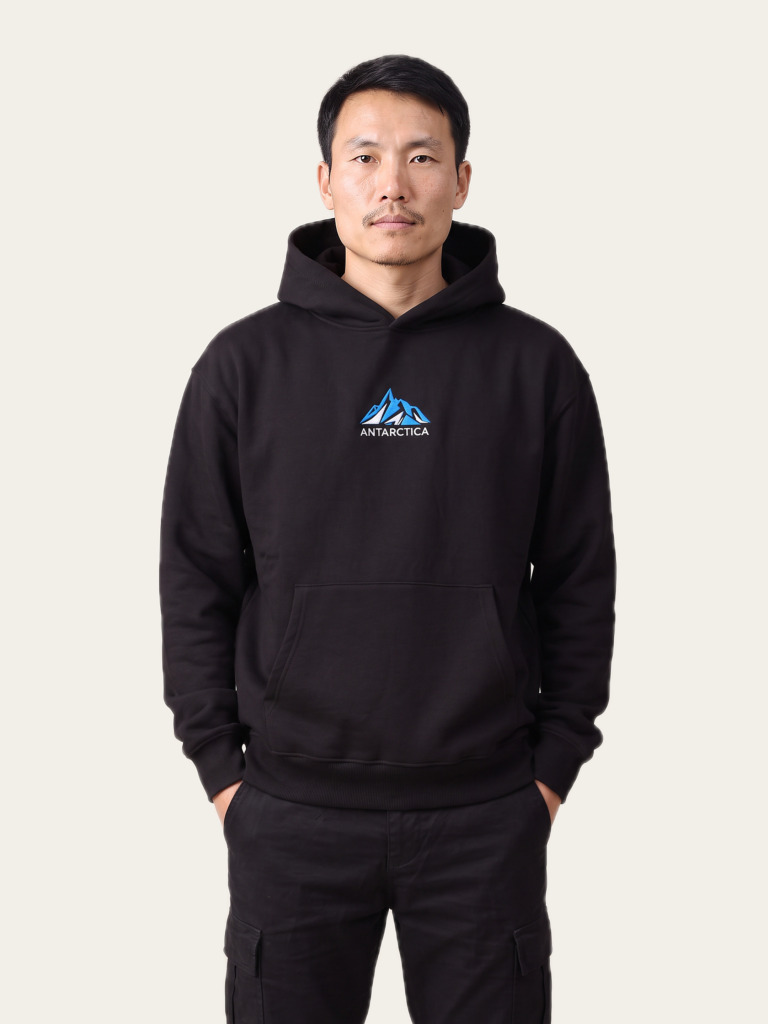
Hoodies, jackets, jeans, overshirts. These touch the skin less directly and can go weeks between washes. One or two is usually enough, and washing them less often also helps them last.

Step 3: Wardrobe size for a weekly wash
| Category | Wear-rate | Suggested count |
|---|---|---|
| Tees and tops | 1 to 2 wears | 7 to 8 |
| Bottoms (joggers, trousers, jeans) | 2 to 3 wears | 3 to 4 |
| Polos and shirts | 1 to 2 wears | 2 to 3 |
| Hoodies and layers | Many wears | 1 to 2 |
| Innerwear and socks | 1 wear | 8 to 9 sets |
These are working figures from the logic above, not fixed rules. A person who sweats heavily needs more tops. A person who works in an air-conditioned room may need fewer. Adjust your wardrobe size to your life.
Step 4: Pick pieces that survive frequent washing
If you wash often, fabric weight and cut matter more. Thin fabric wears faster with repeated laundering, and pieces with fussy details need more care. Simple, mid-weight cotton in plain colours handles this well.
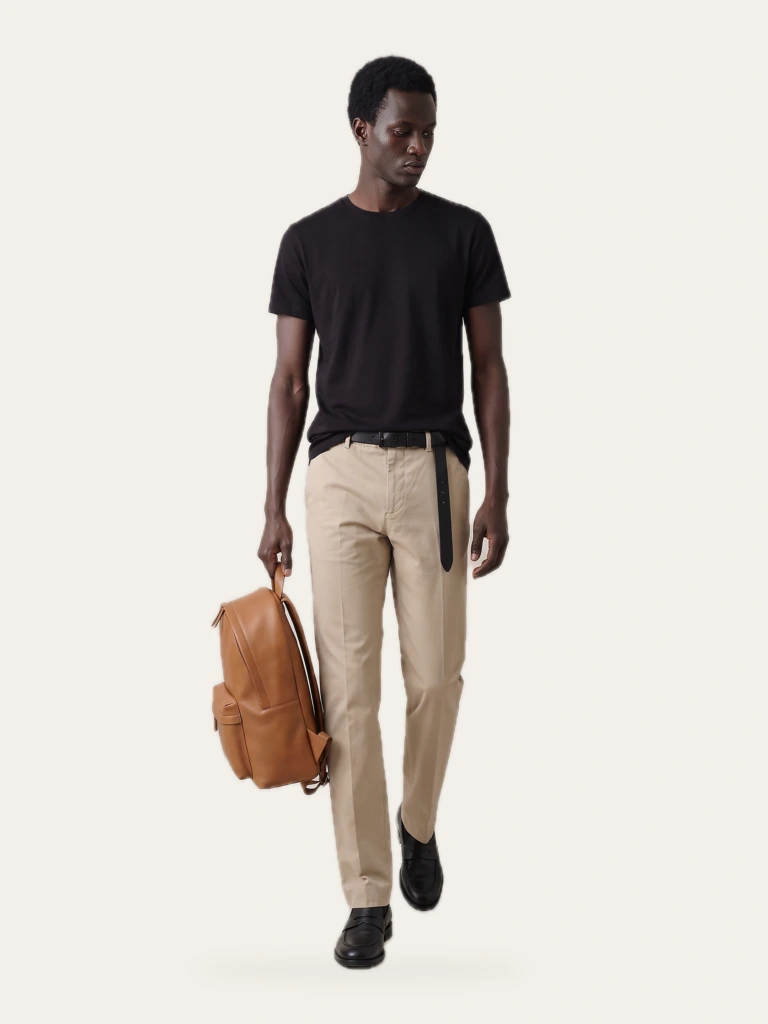
The CORE Crew Tee is a good example. It is a 180 GSM cotton crew tee in a unisex regular fit, mid-weight and soft from the first wear, and it is offered in Noor Black, Rui White and Agni Red at ₹749. Because it is mid-weight and plain, it can carry the daily-tee load for your whole wash cycle. Five or six in three colours is a workable base.

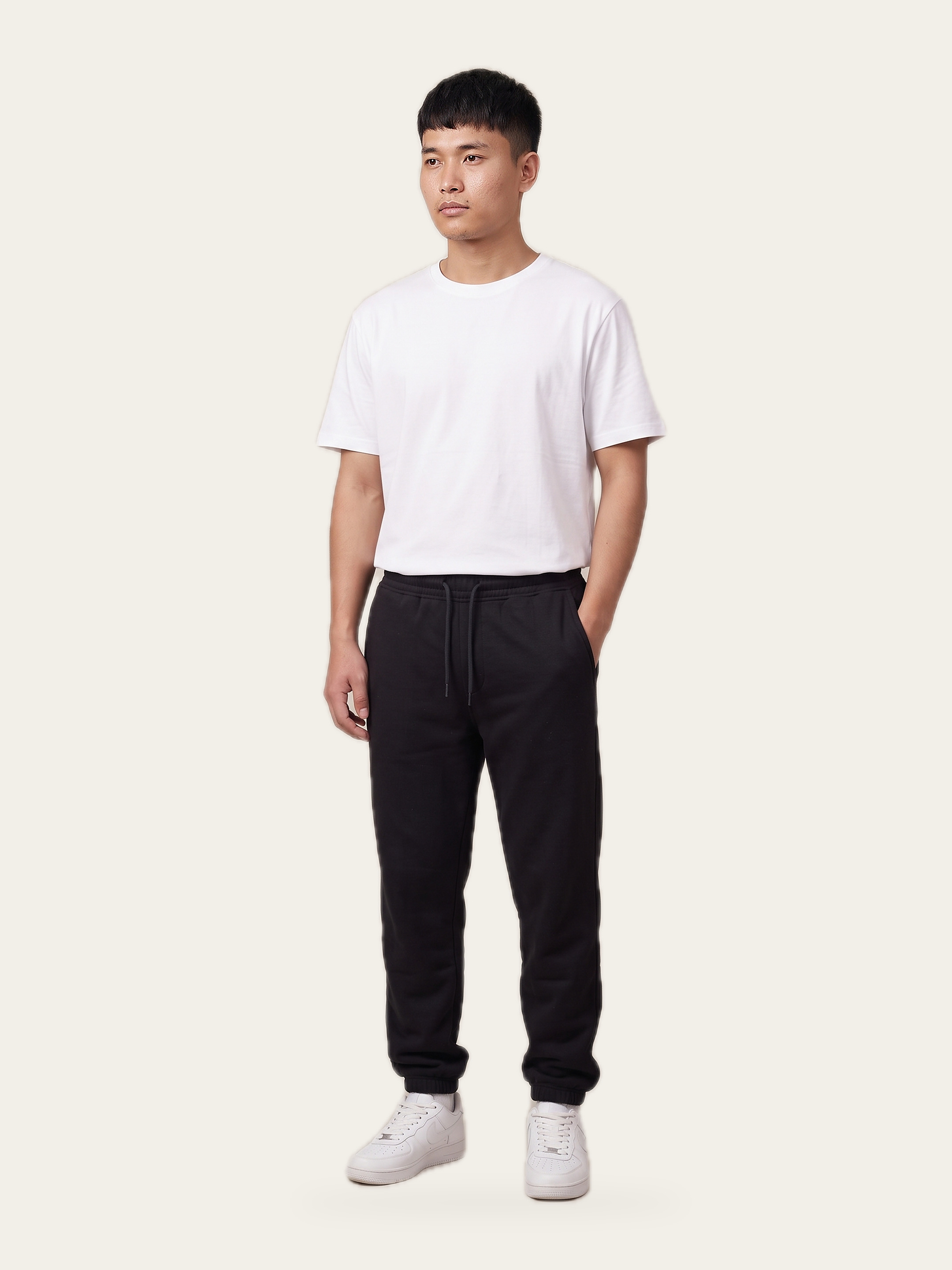
For bottoms, the EASE Joggers are a relaxed cotton jogger with a tapered leg, ribbed waist and cuffs, made for slow mornings, travel and everything in between. They cost ₹1,149 and come in Noor Black, Neel Blue, Arav Green and Gulabi Pink. Joggers are a good rewear item. Two or three of them cover a week at home or on the commute, as long as you air them between wears.
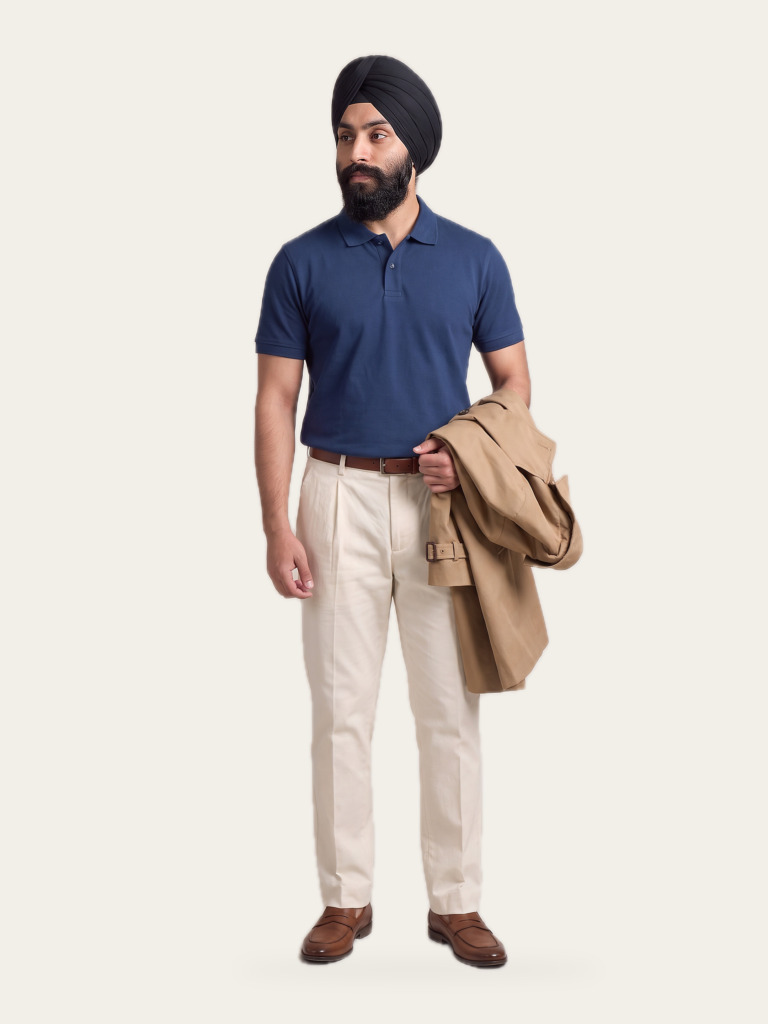
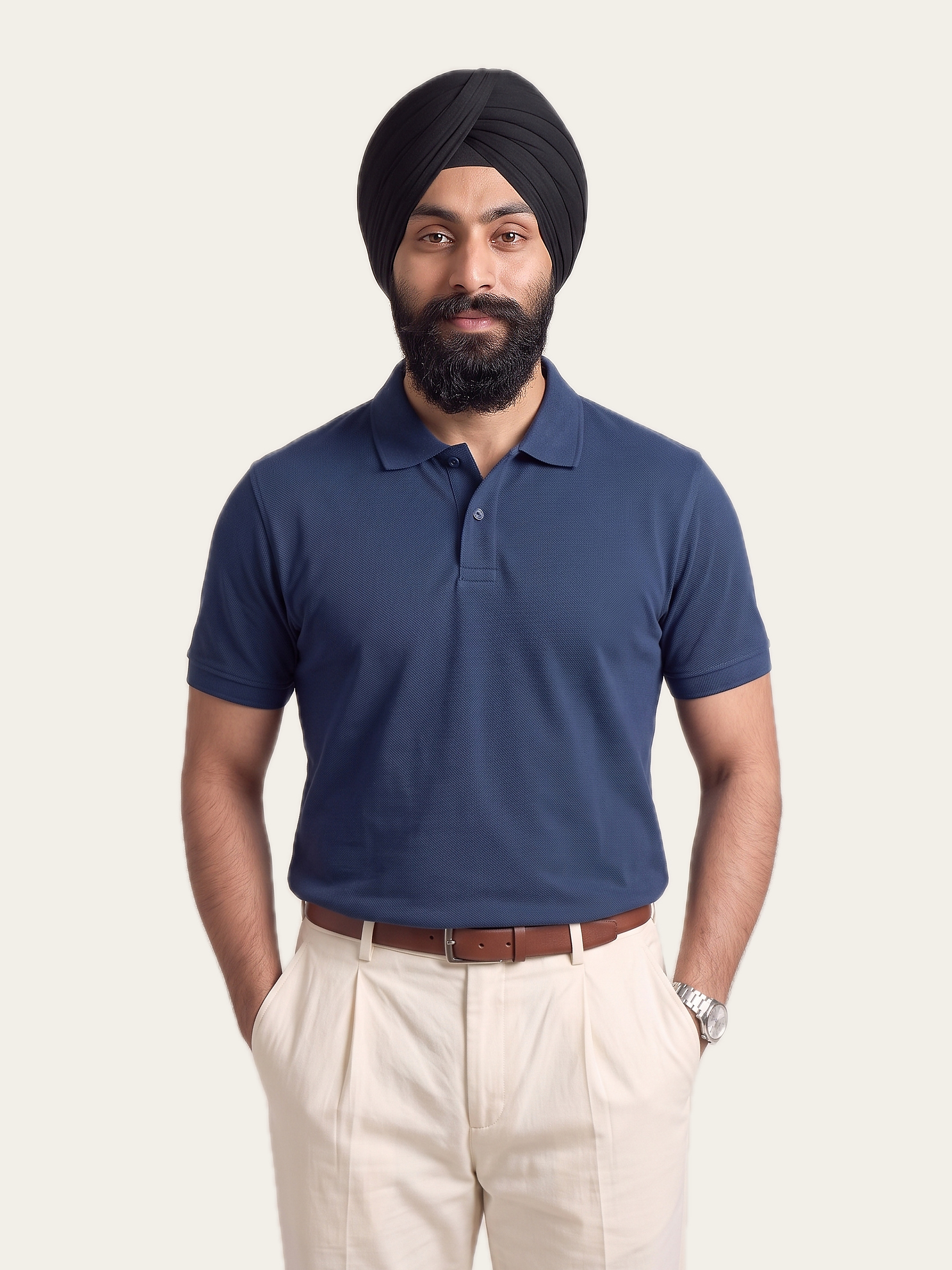
For days that need a step up from a tee, the CORE Piqué Polo is a 220 GSM cotton piqué polo with a structured ribbed collar and cuffs, in a regular fit, at ₹999. It is offered in Noor Black, Rui White, Agni Red and Neel Blue. Two or three polos cover the week when you need to look put together, and the structured collar means it keeps its shape through repeat washes. If you are deciding between the polo and the tee, our post Polo or Tee? When to Wear Which helps.
Step 5: Match colours to how you wash
If you wash everything together, keep your daily pieces in a small set of colours that can share a load. Noor Black, Neel Blue and Arav Green can go in one wash, and Rui White and Gulabi Pink are best washed together in a lighter load. Fewer colour groups means fuller loads and fewer separate washes, which reduces the wardrobe size you need.
This is also where a small set of colours pays off. A tee in each of three colours can wear with any bottom you own, so you never hold back a clean piece because it clashes.
Two worked examples
A student in a hostel, washing weekly
Seven tees, three bottoms, one hoodie, two polos or shirts for presentations, and eight sets of innerwear and socks. Total wardrobe size: about twenty-one clothing pieces, plus underwear. Every item is a repeat of something simple, so the laundry bag never holds an odd piece.
A working person with a machine at home, washing twice a week
Five tees, two bottoms, two polos, one hoodie, and five sets of innerwear. The faster cycle means a smaller wardrobe size. The saved space can go on one better piece rather than more of the same. For a way to plan spend by category, see A Rupee Wardrobe Budget Planner.
Signs your wardrobe size is too big or too small
- Too small: you run out of clean tops before wash day, or wash half a load just to have something to wear.
- Too big: a third of your clothes have not been worn in a month, and the wardrobe does not close easily.
- About right: you rotate through everything, and the basket is nearly full when the wash day arrives.
Care that stretches the cycle
Air clothes after wearing and before putting them back. Wash in cool water, inside out, and dry in shade. Doing these things keeps colour and shape longer, which lets each piece serve more wash cycles before it needs replacing, so your wardrobe size can stay small.
When you are ready, see the full range and reserve what you need.
FAQs
How many clothes do I need if I wash once a week?
A workable wardrobe size is 7 to 8 tops, 3 to 4 bottoms, 2 to 3 polos or shirts, 1 to 2 hoodies or layers, and 8 to 9 sets of innerwear and socks.
Does washing more often mean I need fewer clothes?
Yes, a faster cycle shrinks your wardrobe size. If clothes return clean every three or four days, you need roughly half the pieces of a weekly cycle. Innerwear and tops follow the cycle most closely.
Which clothes can I wear more than once between washes?
Hoodies, jackets and jeans can go many wears. Joggers and tees in mild weather can go two or three, if you air them and they are not sweaty.
What fabric weight handles frequent washing well?
Plain mid-weight cotton is a safe choice. The CORE Crew Tee is 180 GSM cotton and the CORE Piqué Polo is 220 GSM cotton piqué, both plain Solids.