How to do a wardrobe audit in one Sunday
A wardrobe audit can be done in one afternoon with three piles: keep, mend or donate, and question. Take everything out, sort it in one pass, then put back only what you wear. It takes about four hours if you stay steady. The goal is not a smaller wardrobe. It is a wardrobe you can dress from without thinking.
Here is the wardrobe audit plan, hour by hour, with a few small tests that make decisions faster.
Before you start: set up the room
Clear the bed. Clear a chair. You need space to lay clothes out, because decisions are easier when you can see everything at once. Play something you like. Keep water nearby. Do not begin at the end of a tiring day. A Sunday morning, after breakfast, is the best time for a wardrobe audit.
You will need:
- Three cloth bags or boxes, labelled Keep, Mend or donate, and Question.
- A bin bag for anything past saving, or a bag for textile recycling if there is a drop-off near you.
- A pen and a small notebook for your list of gaps.
- A mirror.

Hour one: empty everything
Take every piece out of the cupboard, drawers and any bag you use as extra storage. Do not sort yet. Just make one big pile. The point of this first hour of the wardrobe audit is to see how much you own. Many people find they have far more than they thought, and many of the pieces are ones they had forgotten.
Now do one useful thing before sorting: wipe the empty shelves and check for damp or pests. A clean cupboard makes putting clothes back feel like a fresh start.
Hour two: the three-pile pass
Pick up each piece once and place it in a pile. Do not put it down and return to it.
Keep
You wore it in the last three months, or you are sure you will wear it in the next season. It fits now, not “after I lose weight.” It feels good on the body.
Mend or donate
Anything with a loose button, a torn hem or a fixable issue goes in a mend pile. If you will not mend it within a month, move it to donate. Anything in good condition that you do not wear goes to someone who will.
Question
Anything you cannot decide on yet. Limit this pile to the size of one small box. It gets a second look at the end of the day.
Hour three: run the four quick tests on the Question pile
- The mirror test. Try it on. If you keep adjusting it, that is your answer.
- The three-outfits test. Can you make three different outfits with it from what you already own? If not, it is a lonely piece.
- The last-wear test. Do you remember the last time you wore it and how you felt? A good memory is a yes. Nothing at all is a no.
- The replace test. If it disappeared tomorrow, would you buy it again? If yes, keep it.
For guidance on what to do with what you let go, our post on keep, donate and replace goes into more detail.
Hour four: put back and write the gap list
Put back only the Keep pile. Group by type: tees together, bottoms together, layers together. Hang what hangs well and fold what does not. Within each group, arrange by colour so you can see the whole set at a glance.
Then open your notebook and write the most useful part of any wardrobe audit, a gap list: what you reached for and did not have. Do not write what you want. Write what was missing. A missing plain white tee is a gap. A trend you saw online is not.

A note on the pieces that always survive
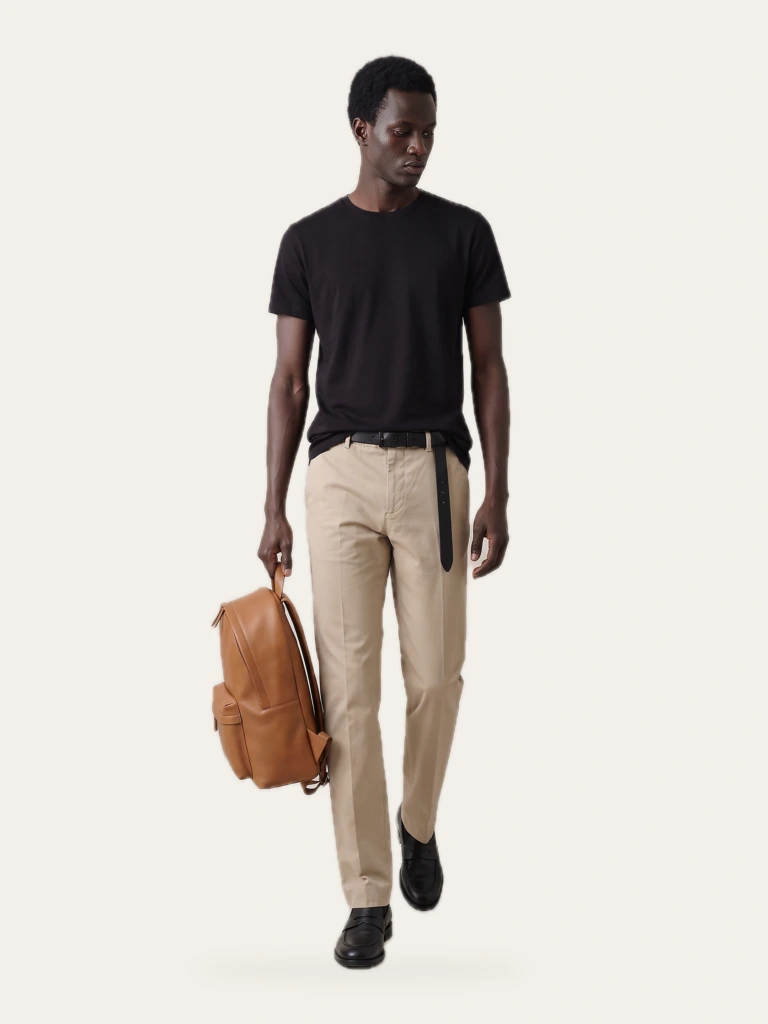
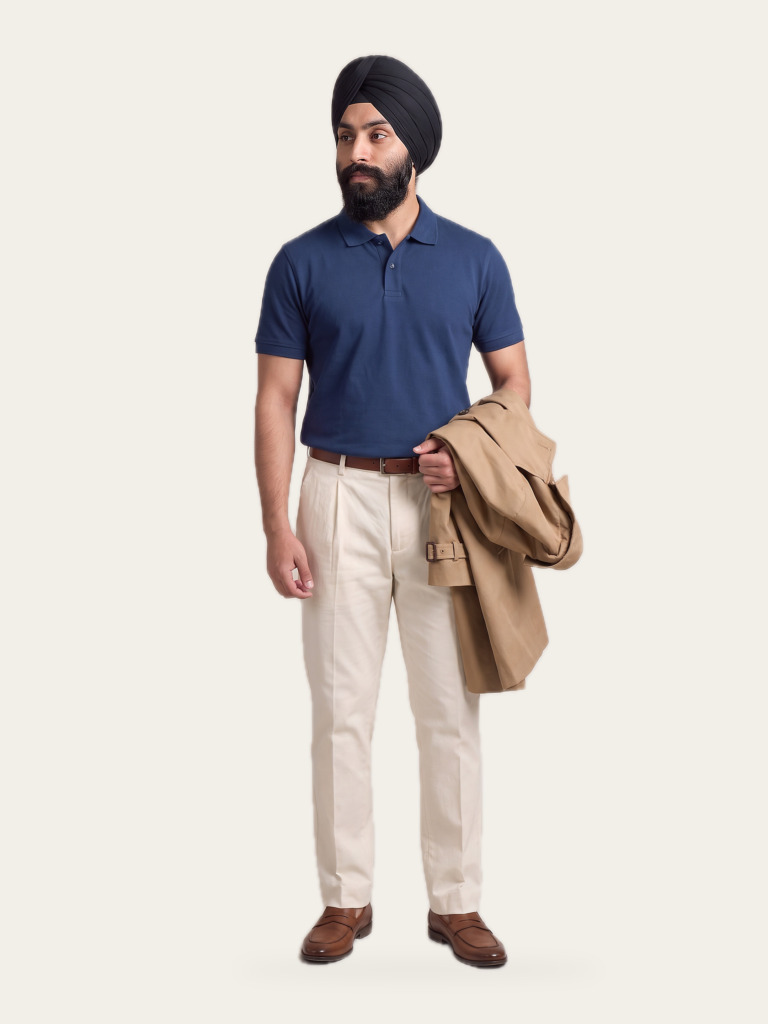
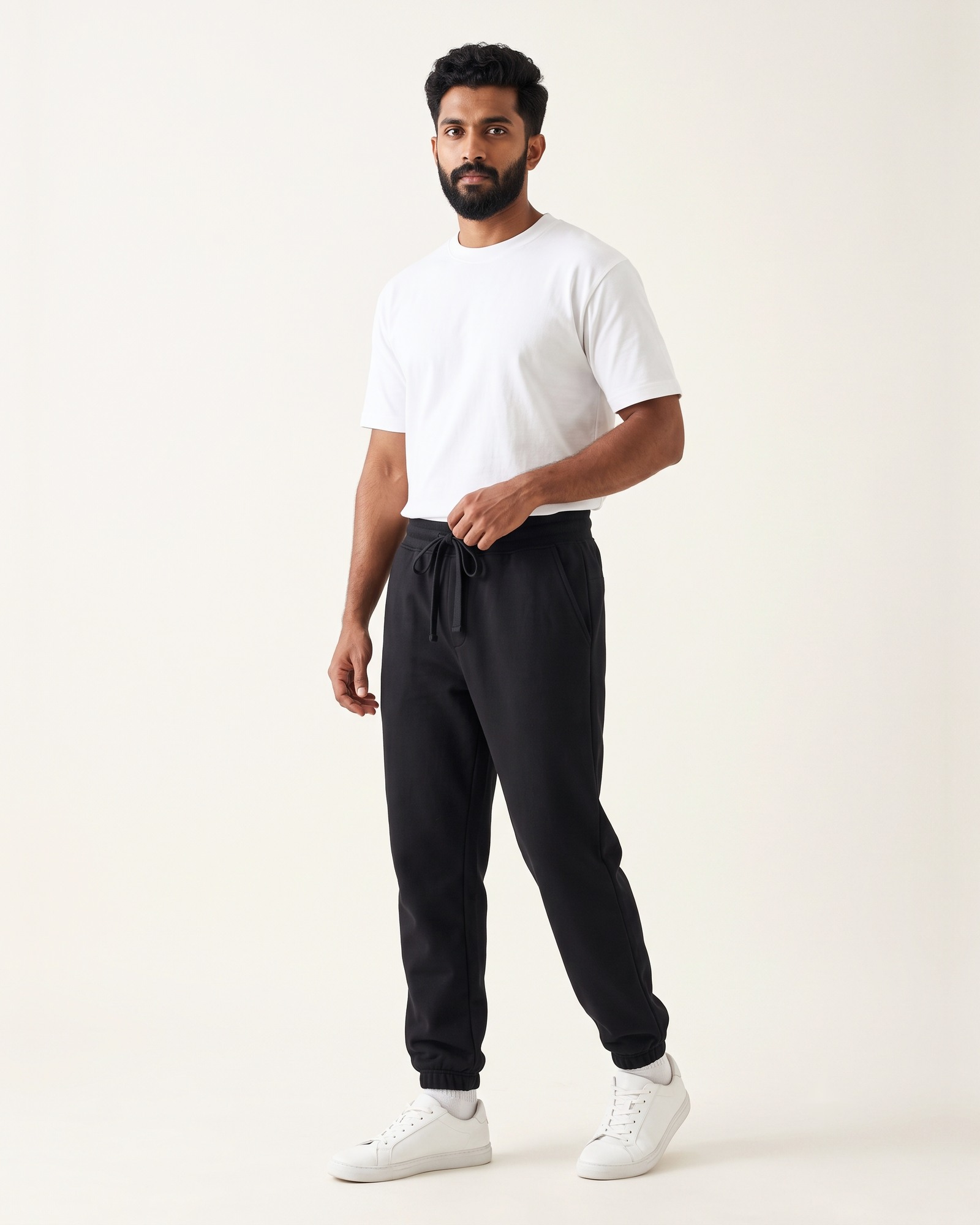
When people finish a wardrobe audit, they often find the same few things remain. Plain tees, a good hoodie and dark bottoms almost always make the cut because they work with everything.
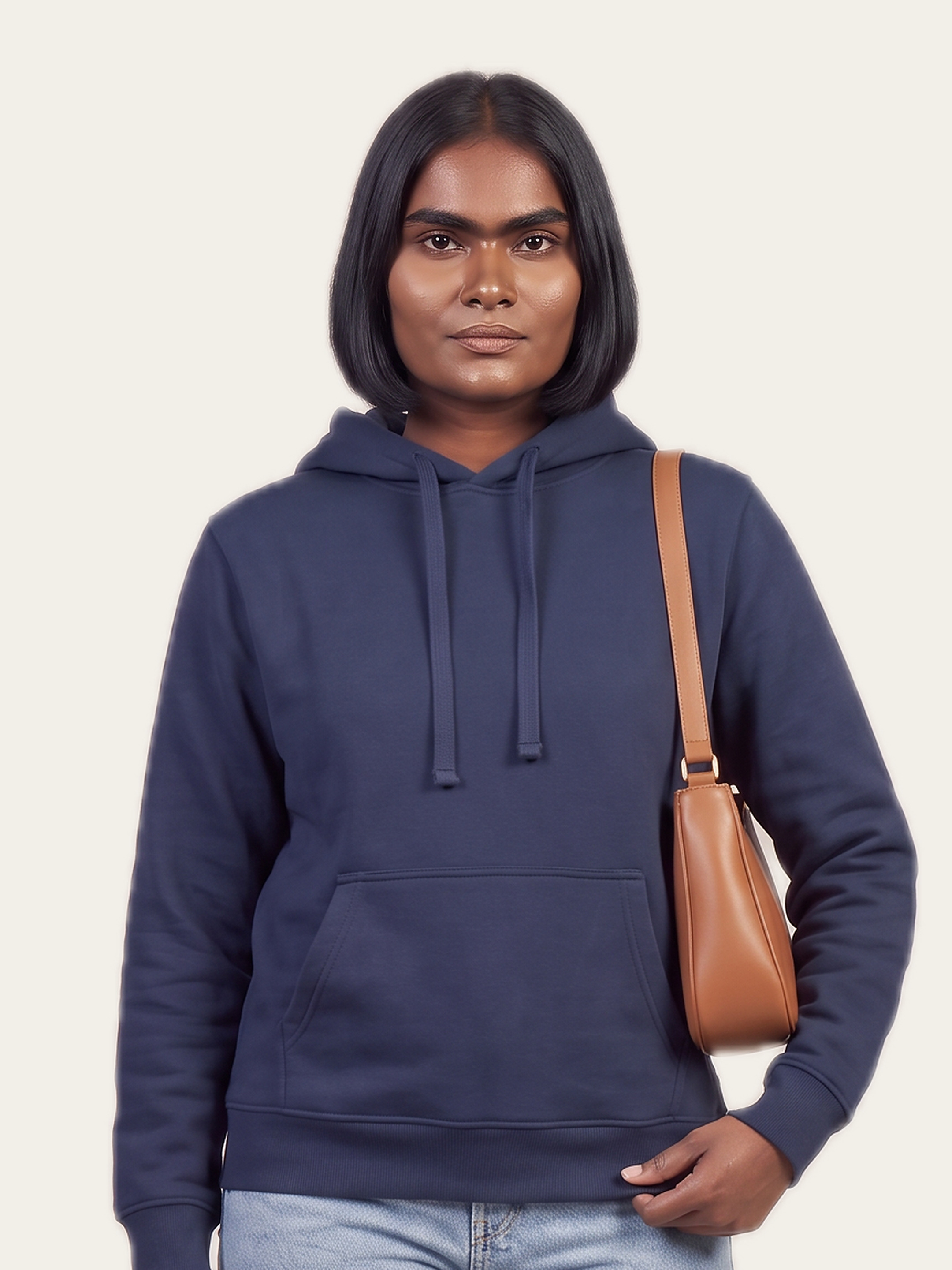
The CORE Crew Tee is an example of this kind of piece: a 180 GSM cotton crew tee in a unisex regular fit, available in Noor Black, Rui White and Agni Red at ₹749. The ORIGINAL Hoodie is another: a 300 GSM brushed cotton fleece hoodie with a lined hood and front pouch pocket, ₹1,299. If your gap list has these, that is a sign your wardrobe needs stronger basics, not more pieces.
How many of each should you keep?
There is no correct number, but a rough shape helps. Use this as a starting point for your wardrobe audit and adjust to your climate and job.
| Type | A workable range | Why |
|---|---|---|
| Everyday tees | 7 to 10 | Enough to last a week and a half between washes |
| Hoodies or sweatshirts | 2 to 3 | Cool days, travel, layering |
| Bottoms | 4 to 6 | Rotate through the week |
| Something with a collar | 2 to 3 | Days that need to look sharper |
These numbers are our suggestion, not a rule. If you wash often, you can own fewer. If you travel or live in a place with mixed weather, you may want more layers. For the tee count, see how many tees for a week.
Common mistakes in a wardrobe audit
- Keeping things for a “someday” you cannot describe. If you cannot say when you would wear it, let it go.
- Buying replacements the same day. Wait a week. Some gaps close themselves.
- Doing it in one sweeping mood. If you feel emotional, stop and continue later.
- Ignoring the small items. Socks, caps and stoles count too.
If you share a cupboard
In a shared cupboard, keep the wardrobe audit to your own half. Move any shared pieces to a middle shelf and talk about them together later. Unisex pieces, like plain tees and hoodies, often live happily in a shared space. Decide once who wears what, and the cupboard stays calm.
Keep a simple log for the next wardrobe audit
After you put everything back, note the date in your notebook and list the number of pieces in each group. Next time, you will see how the count has changed. Many people find the number stays steady once they buy with intent, and that is the quiet reward of doing this work.
After the wardrobe audit
Take the donate bag out of the house that same day. If it sits in a corner, it will slowly return to the cupboard. Set a date on your calendar to look at your gap list in two weeks. By then you will know if the gaps are real. If you decide to fill one, buy a single piece, in a colour that goes with what you already own.
FAQs
How long does a wardrobe audit take?
About four hours for a typical wardrobe if you work steadily and use the three-pile method. A very large wardrobe may take a second session.
How do I decide what to keep?
Keep what fits, what you wore in the last few months and what you can combine into at least three outfits. Use the mirror test and the replace test for pieces you cannot decide on.
Should I buy new clothes right after decluttering?
Wait a week or two and write a gap list first. Then buy only what was truly missing.
What basics are worth having after a wardrobe audit?
A few well-fitting tees and one or two hoodies usually cover most needs. The CORE Crew Tee and the ORIGINAL Hoodie are two examples from the range.
If your gap list is ready, you can reserve from the shop when you are.