The short answer: rib knit is the stretchy edge that keeps a garment closed
Rib knit is a stretchy fabric with vertical ridges, used on collars, cuffs and hems. It stretches to let your head, hands or waist through, then pulls back to its original size. That recovery is what stops a neckline from going wide and sleeves from slipping. Good rib knit is a quiet sign of a garment made to last.
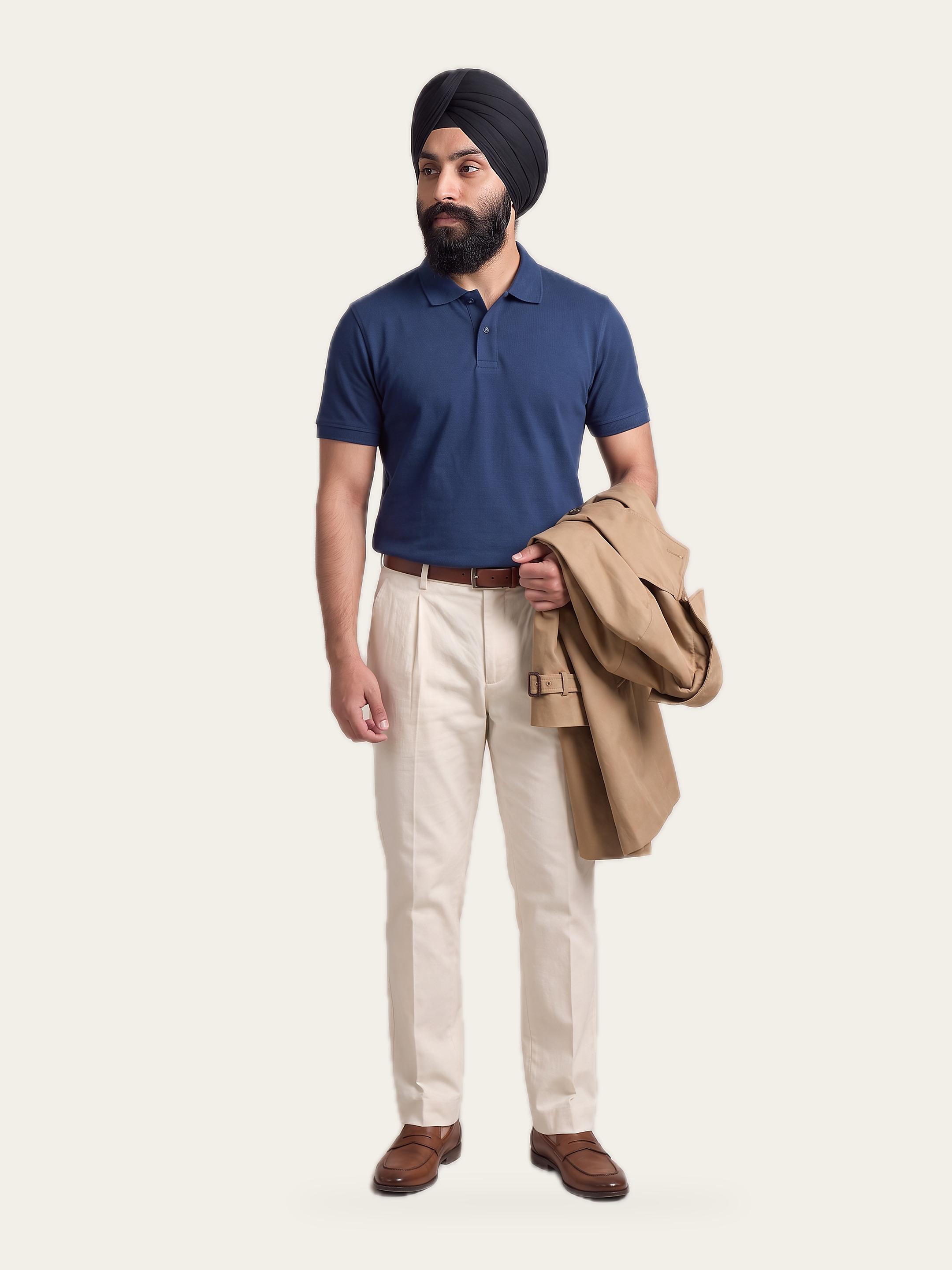
Most people look at the print or the colour first. Experienced buyers look at the collar. A tee with a tired neckline looks old even if the body is fine. This post explains what rib knit is, why it is knitted differently from the main fabric, and what to check in the pieces you own or plan to buy.
What rib knit actually is
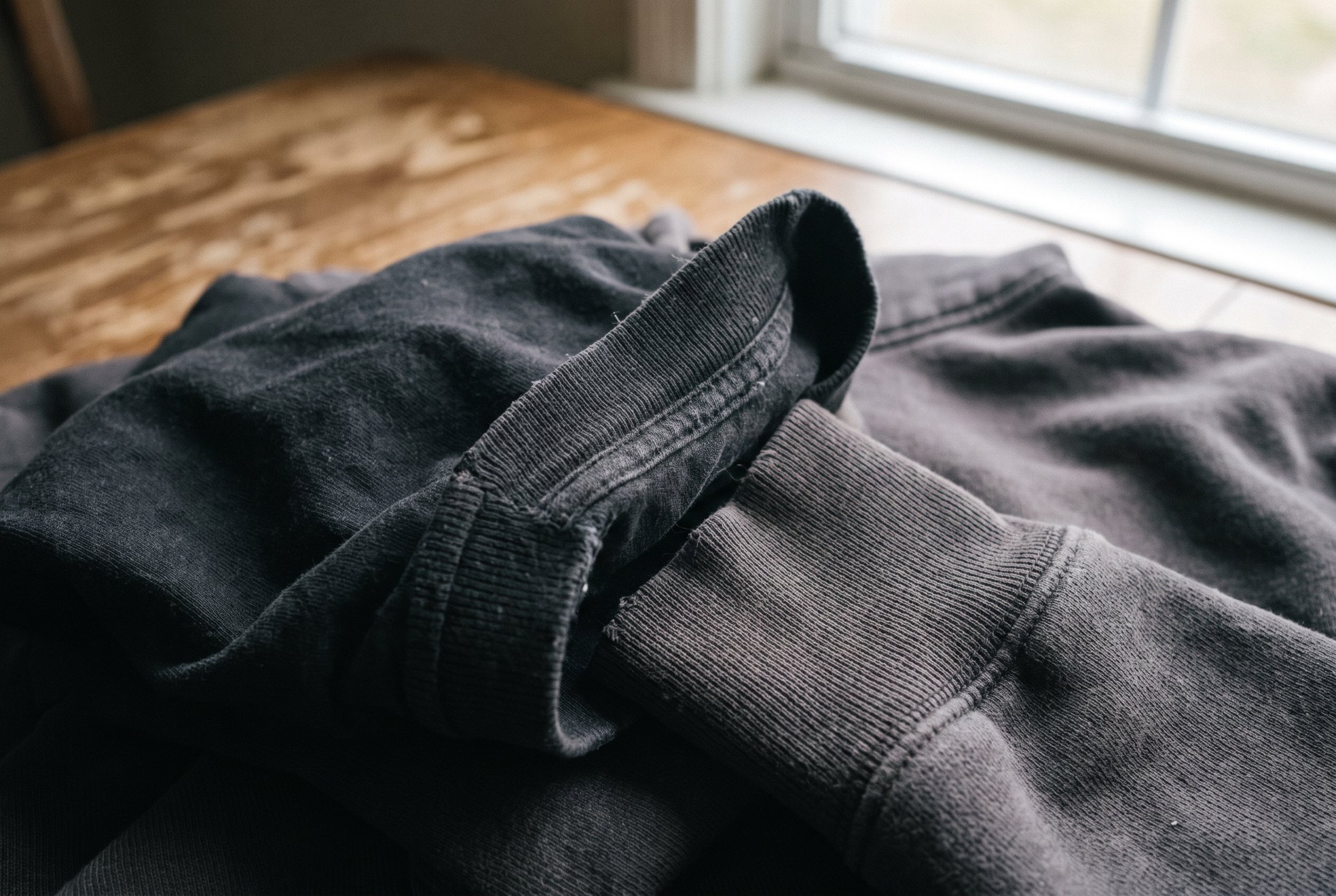
Knitted fabric is made of loops. In a plain jersey, like a basic tee, every row is loops pulled the same way, so the surface looks flat and smooth. In a rib knit, the loops alternate between the front and the back of the fabric in narrow columns. You see this as thin vertical lines. A common pattern is called 1×1 rib, one column forward, one back. Others, like 2×2, use wider groups.
Because of those alternating columns, rib knit pulls in on itself across its width. Stretch it and it springs back. That spring is called elasticity or recovery, and it is the whole reason rib knit exists.
Why not use the same fabric as the body?
Plain jersey and fleece stretch a little, but they do not always recover well at the edges. The edge of a garment takes the most stress: you pull a neckline over your head, push cuffs up your forearms, tug a hem down. If those edges were cut from the body fabric, they could slowly open out. Rib knit gives the edges their own fabric with a different job.
What each rib knit part does
Collars
A ribbed collar lets the neck opening be small enough to sit flat against your collarbone, yet stretch enough to pass over your head. Over time you will see the difference. A weak collar waves, curls or gapes. A firm ribbed one lies flat.
Cuffs
Ribbed cuffs hug the wrist. They keep sleeves in place when you push them up and hold warmth in on cold mornings. On a hoodie or sweatshirt they also stop the sleeve from dragging into your food or keyboard.
Hems and waistbands
A ribbed hem gives a sweatshirt or hoodie its slightly gathered shape at the waist. It holds the body in place rather than letting it ride up. On joggers, a ribbed waist and cuffs give the taper and keep the trousers where you put them.
Where you will find rib knit at EKVAAR
These pieces list ribbing in their product descriptions:
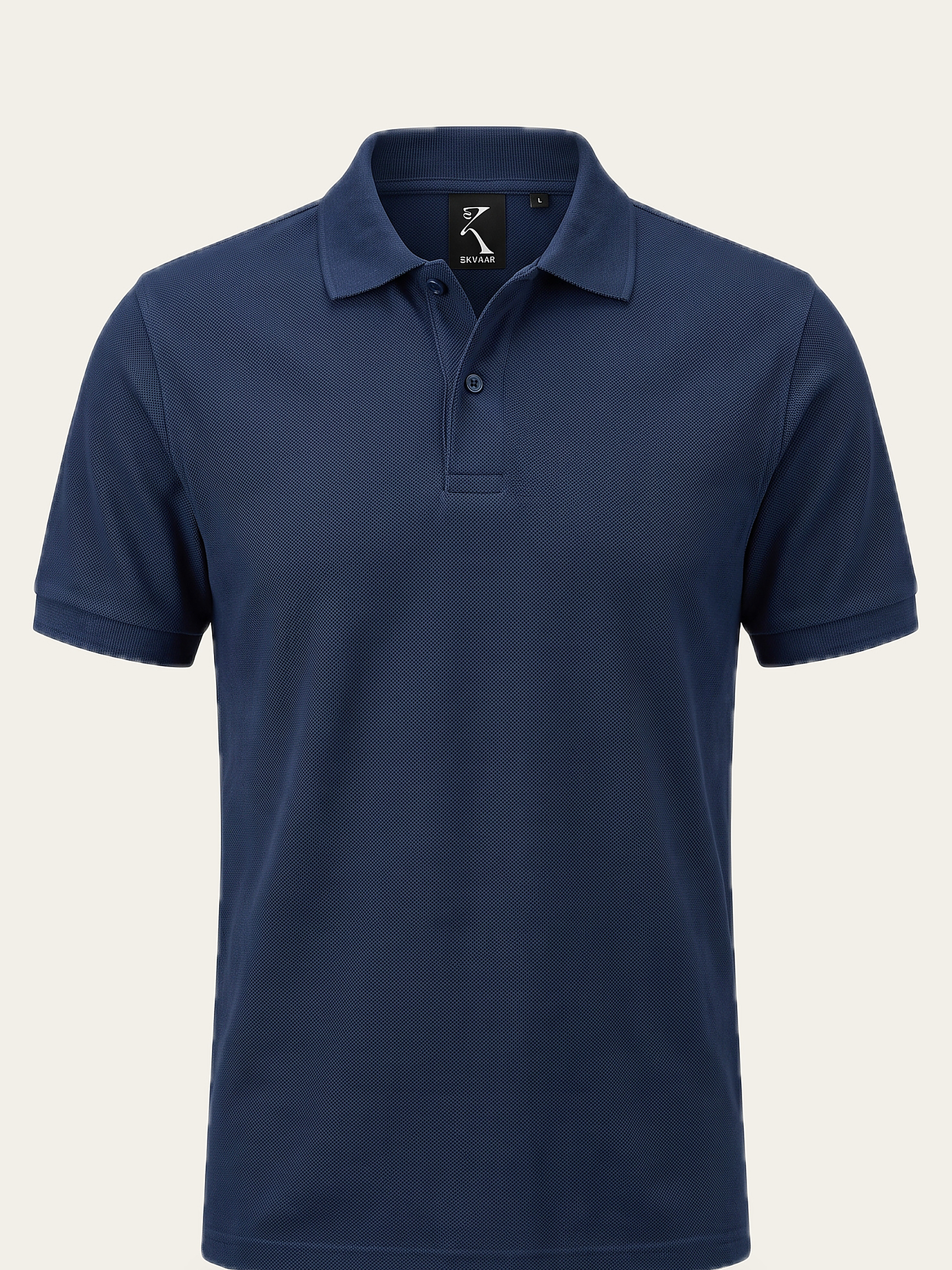
- CORE Piqué Polo (₹999): a 220 GSM cotton piqué polo with a structured ribbed collar and cuffs, in a regular fit, available in Noor Black, Rui White, Agni Red and Neel Blue.
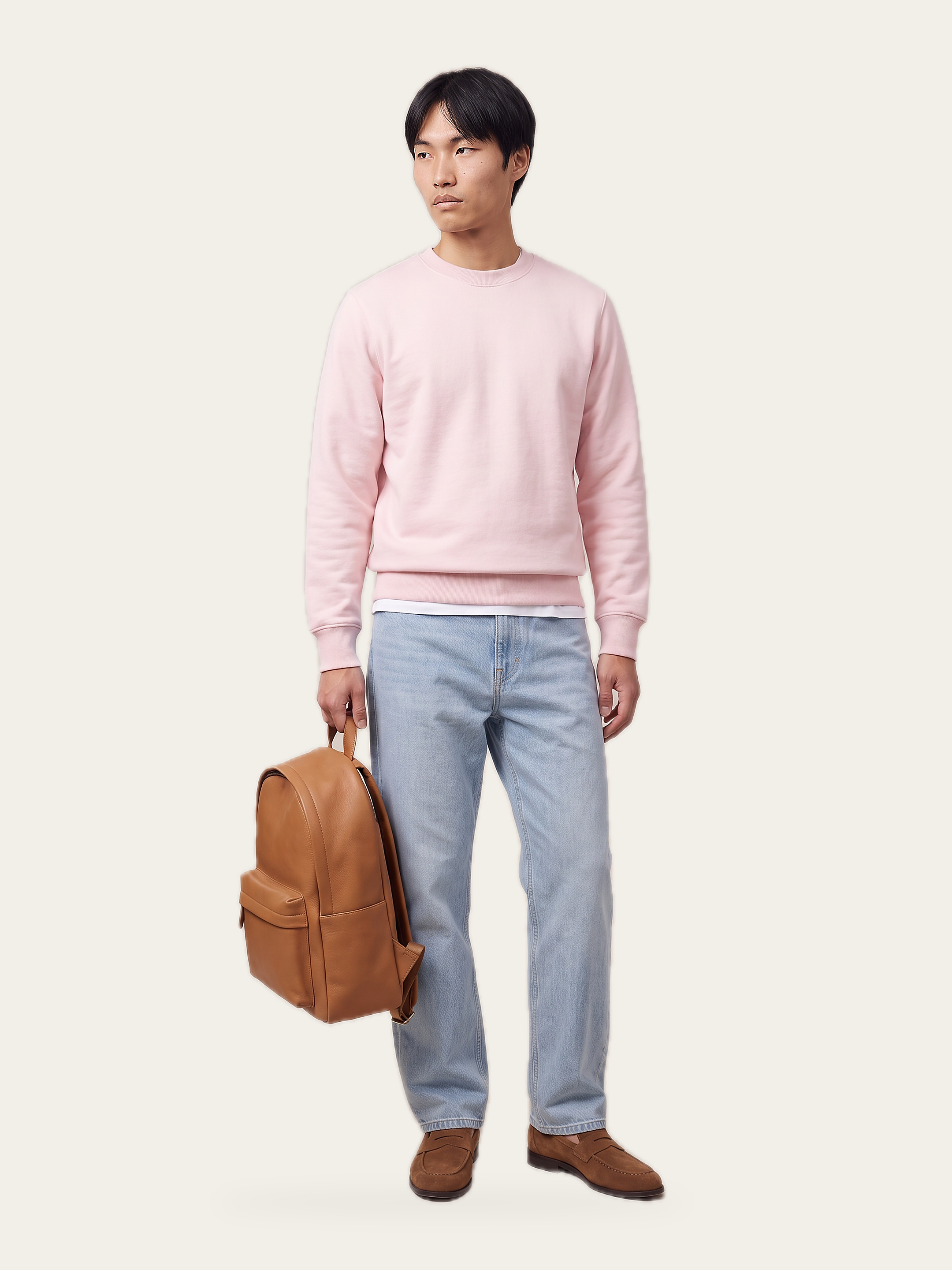
- SIGNATURE Sweatshirt (₹1,149): a 300 GSM cotton fleece crew sweatshirt with ribbed collar, cuffs and hem, in a unisex regular fit. Colours are Noor Black, Rui White, Neel Blue and Gulabi Pink.
- ORIGINAL Zip Hoodie (₹1,799): a 400 GSM brushed-fleece full-zip hoodie in 90% cotton, with ribbed cuffs and hem, in Noor Black and Rui White.
- EASE Joggers (₹1,149): a relaxed cotton jogger with a tapered leg, ribbed waist and cuffs.
How to judge rib knit quality yourself
You do not need a lab. Five quick checks work on any garment, ours included.
- Stretch and release. Pinch the collar between two fingers, stretch it a few centimetres, then let go. It should return quickly and fully, with no rippling.
- Look for flatness. Lay the collar on a table. It should lie flat and even, without a wave.
- Check the seam. The join between rib and body should be smooth and even all the way round, with no puckering.
- Feel the thickness. A thin, papery rib will weaken sooner. A dense one feels firm and springy.
- Try the neck opening. Put it on and take it off twice. The neck should go over your head easily and settle back into shape on its own.
How to look after ribbed edges
Rib knit is tough, but it responds to how you treat it.
- Do not stretch a neckline to pull it off. Take a garment off by the body, not by yanking the collar.
- Do not hang heavy pieces on hangers by the neck. A wet or heavy hoodie will pull the collar down. Fold it instead. Our guide on how to fold and store hoodies shows how.
- Wash inside out, cool, and dry flat or in shade. Heat is hard on elastic recovery. For the full routine, see how to wash a hoodie.
- Wash the whole garment, not just the collar. Sweat and skin oil build up at the neck and cuffs, so keep them clean.
Rib on a polo: a different job
On a polo, the collar is not just about stretch. It is a visible part of the design. A “structured” ribbed collar, as the CORE Piqué Polo lists, is meant to stand and hold a clean line rather than flop. The cuffs do the same on the sleeves. Together they give a polo its neat look. If you are still choosing between a polo and a tee, our post on polo or tee compares them.
Why we pay attention to it
EKVAAR is a House of Originals built on one idea: made once, made well, made to stay. Rib knit is easy to skip because it is small and hidden in the price. We would rather you notice it in the way a garment still looks in its second year. Every piece is made to order in India, made for you once you reserve it. Shipping is free across India.
Rib knit versus other edge finishes
Rib knit is not the only way to finish an edge. Some tees use a self-fabric binding, a narrow strip of the same jersey folded over the neckline. Some sweatshirts use a plain folded hem stitched down. Both can work well on light garments, and both are cheaper to make. The trade-off is recovery: a folded edge does not spring back the way rib does, so it depends more on the body fabric to stay flat.
Heavier garments ask more of their edges. A 300 or 400 GSM fleece has weight that pulls down on a neckline all day, and a hood adds more. That is why heavier sweatshirts and hoodies almost always pair fleece with a rib cuff and hem. The rib holds the garment against the body while the heavy fabric hangs from it.
A note on colour
You may notice rib knit looks slightly different from the body fabric, a little denser or a slightly different shade in the light. That is normal. The knit structure reflects light differently, and it is one reason a well-finished garment looks intentional. Pay attention to the way the rib meets the body in Noor Black and Rui White pieces, where the contrast in texture is easiest to see.
FAQs
What is rib knit fabric?
Rib knit is a stretchy knit with vertical ridges, made by alternating loops on the front and back of the fabric. It stretches easily and springs back, which is why it is used on collars, cuffs and hems.
Why do collars and cuffs use a different fabric from the body?
Edges take the most pulling and stretching. Rib recovers its shape better than plain jersey or fleece, so the edges stay neat for longer.
Which EKVAAR pieces have ribbed edges?
The CORE Piqué Polo, SIGNATURE Sweatshirt, ORIGINAL Zip Hoodie and EASE Joggers list ribbing on their product pages. Check each page for exactly which edges are ribbed.
How do I stop a ribbed collar from stretching out?
Avoid pulling the neckline to take a garment off, fold heavy pieces instead of hanging them, and wash cool. Dry flat or in shade to protect the elastic recovery.
When you are ready, browse the full range in the EKVAAR shop.