The short answer
Choosing winter colours and summer colours from the six is simpler than it sounds. Wear Rui White, Gulabi Pink and light-handed Noor Black in the hot months, and lean on Neel Blue, Arav Green, Agni Red and Noor Black as your winter colours. That is a starting point, not a rule. Colour moves with light, city and mood, and all six sit well in any season if the piece is right for the weather.
The six colours are Noor Black, Rui White, Agni Red, Neel Blue, Arav Green and Gulabi Pink. They are permanent house colours, which means the piece you like now will still be available next year in the same shade. That changes how you think about seasons: you do not need a new palette in October, only a heavier piece.
Summer: the case for light
In India’s hot months, the colour on your body matters less than the fabric, but it still counts. Light colours reflect more of the sun and often look cleaner against sweat and dust. Rui White and Gulabi Pink are the obvious summer pair.
Pieces to start with
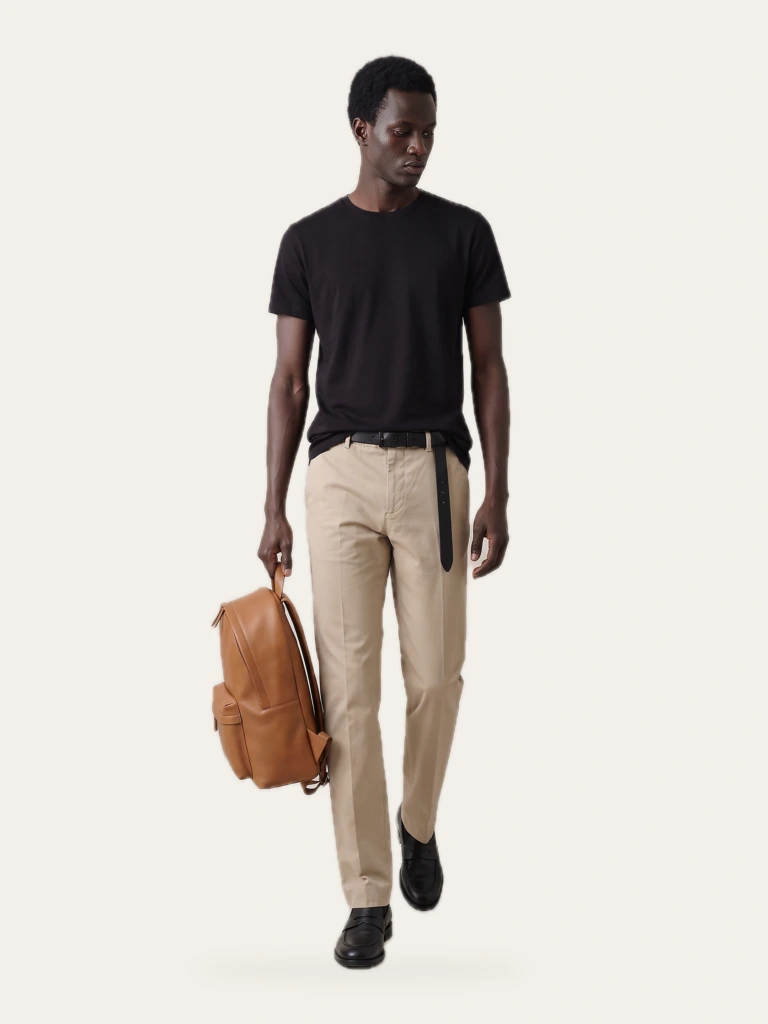
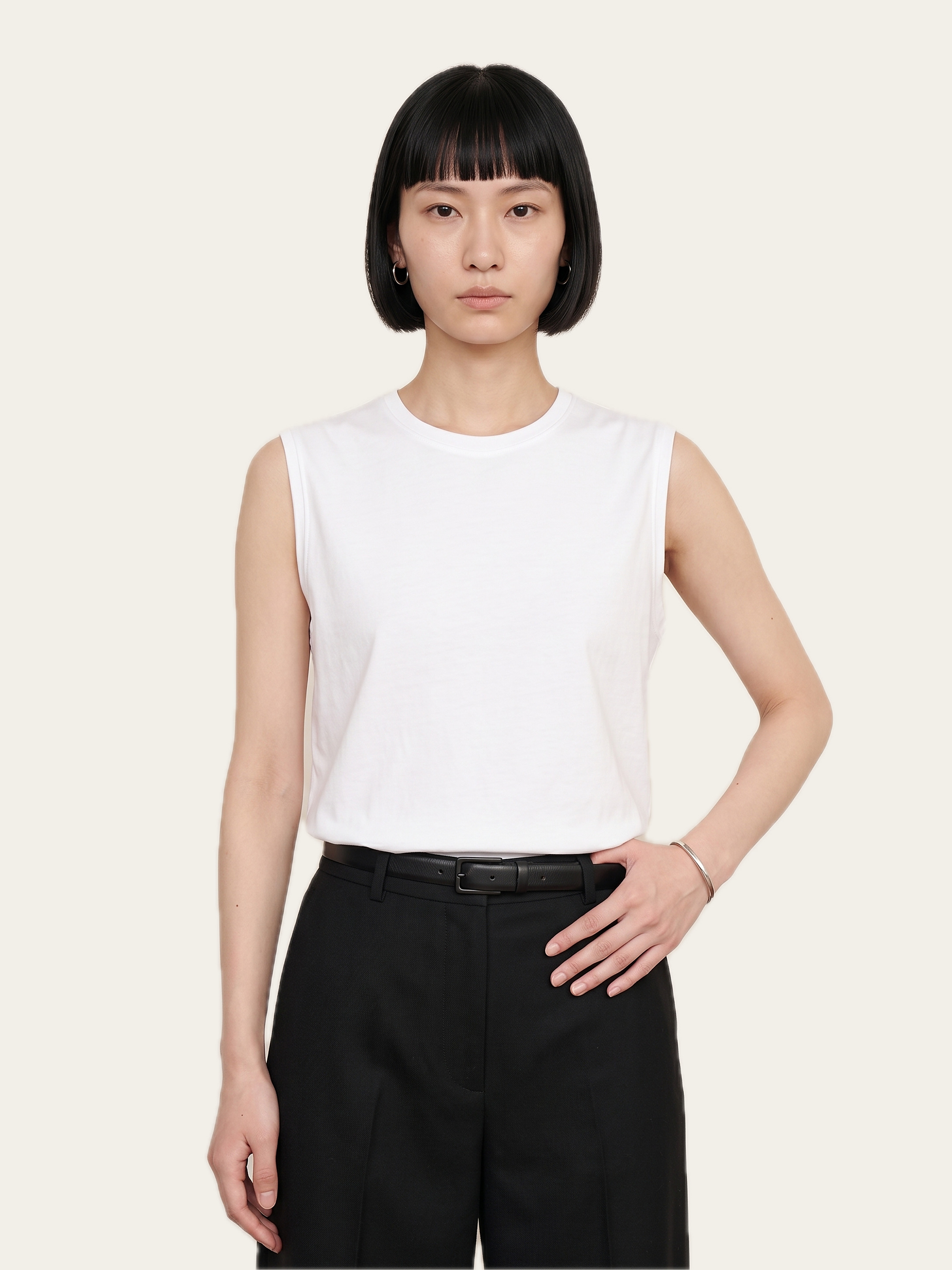
- CORE Sleeveless Tee (₹749): a 180 GSM cotton sleeveless tee, light and breathable, in a unisex regular fit. It comes in Noor Black and Rui White. In Rui White, it is the most summer-ready piece in the house.
- CORE Crew Tee (₹749): 180 GSM cotton, offered in Noor Black, Rui White and Agni Red. Rui White for the sunniest days.
Gulabi Pink is the summer colour that people overlook. It is soft, it photographs well in daylight, and it suits a wide range of Indian skin tones. Read more in our Gulabi Pink styling guide.
Winter colours: depth and weight
When the temperature falls, the eye wants depth. Neel Blue, Arav Green and Noor Black are natural winter colours in cool, low light. Agni Red does something different: it warms an outfit on a grey morning without needing a second accent.
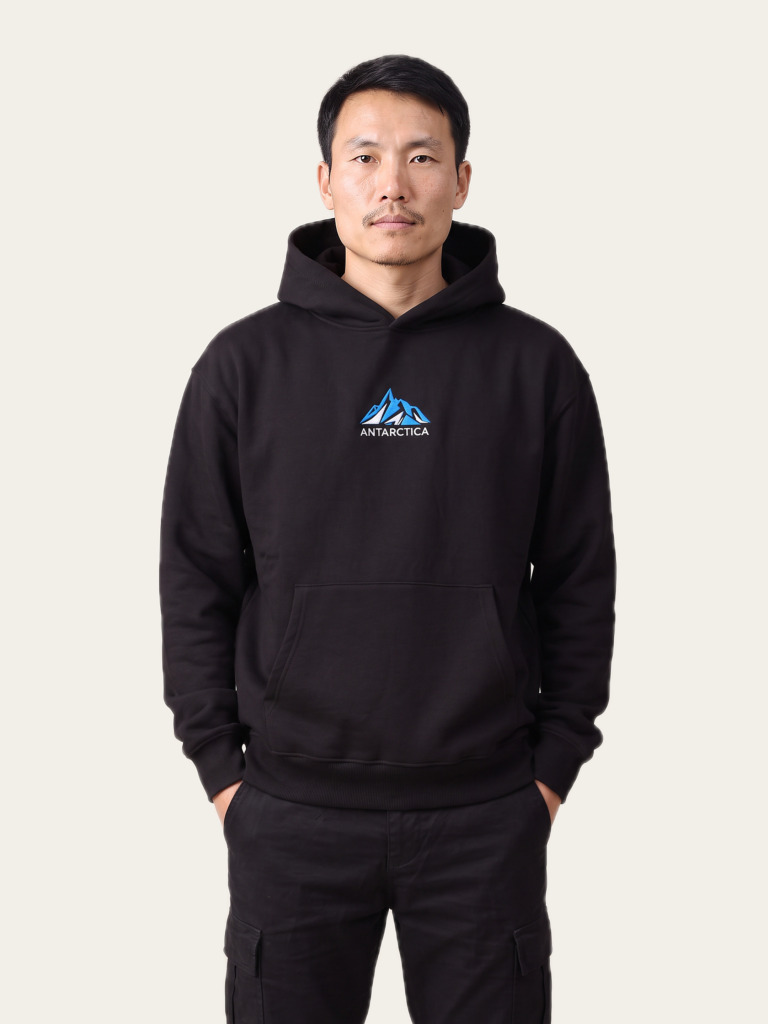
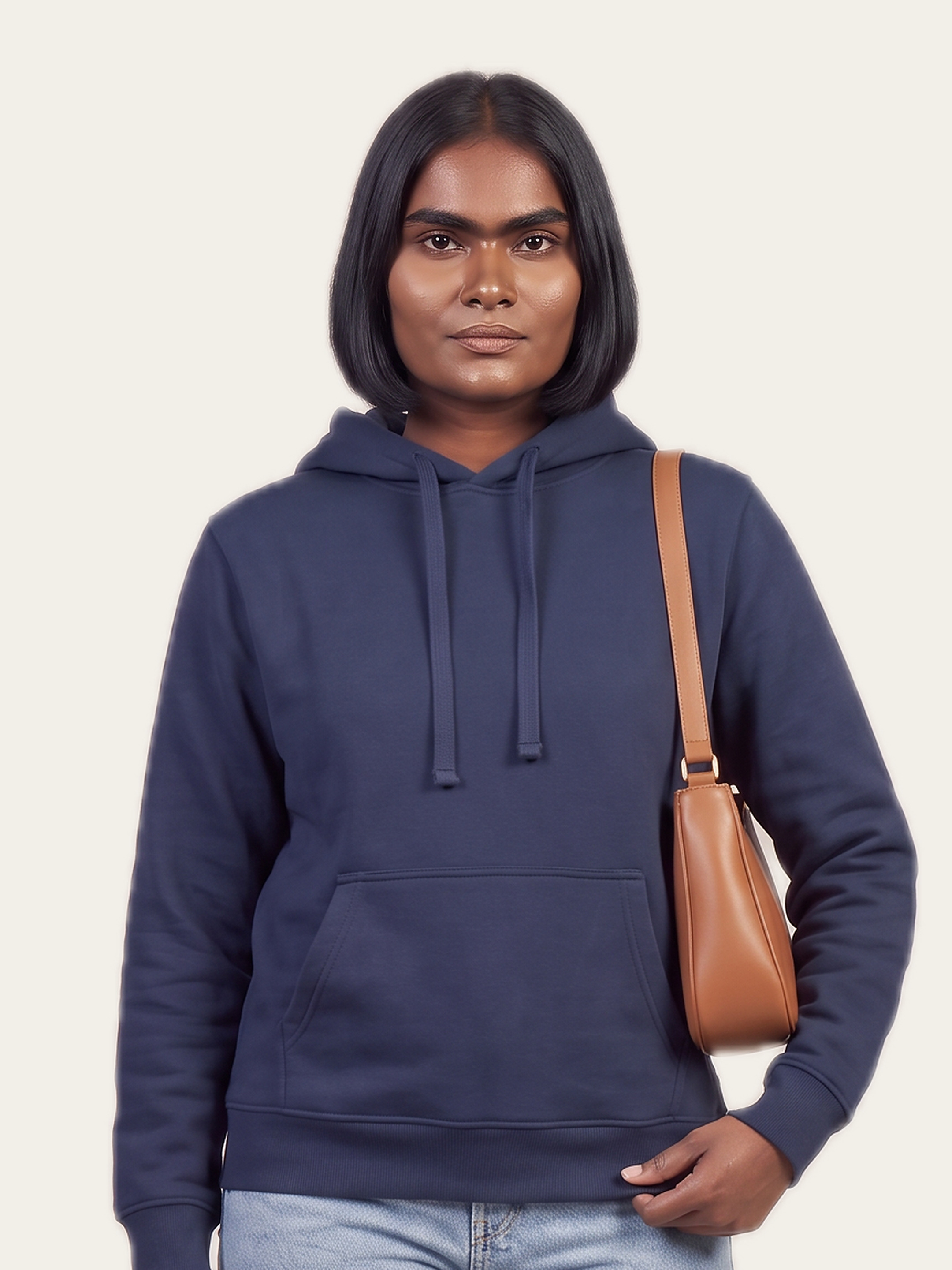
The ORIGINAL Hoodie (₹1,299) is the clearest winter anchor. It is a 300 GSM brushed cotton fleece hoodie with a lined hood and front pouch pocket, in a unisex regular fit, and it is offered in all six house colours. That range is useful: you can pick whichever of the winter colours suits your existing wardrobe.
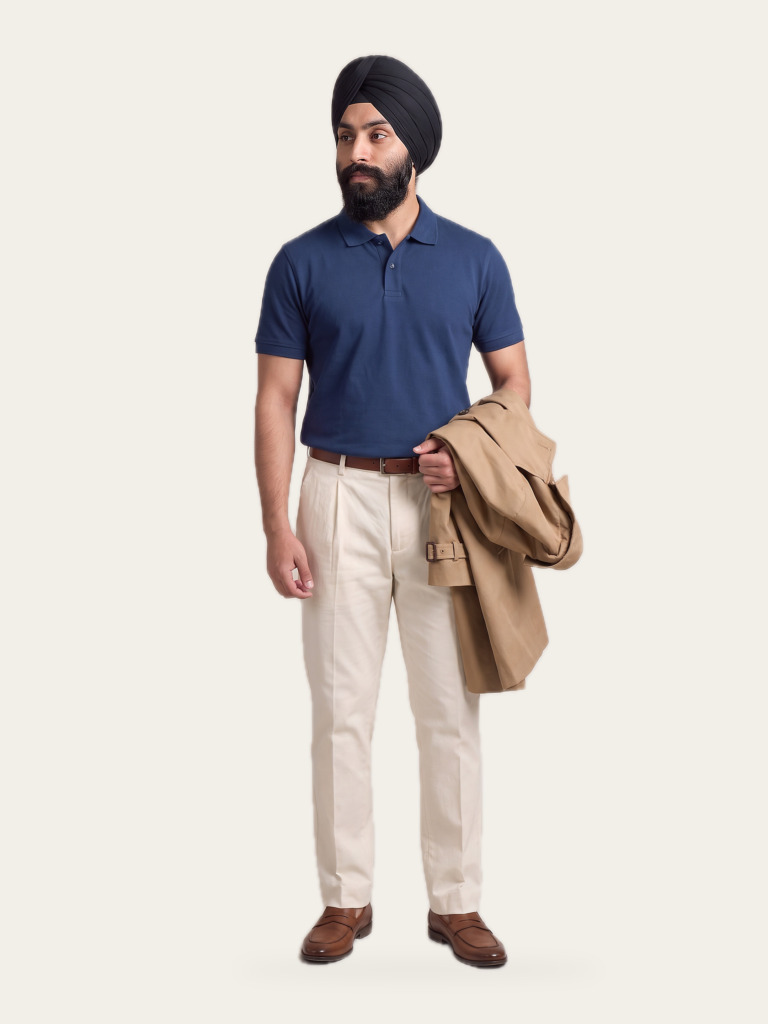
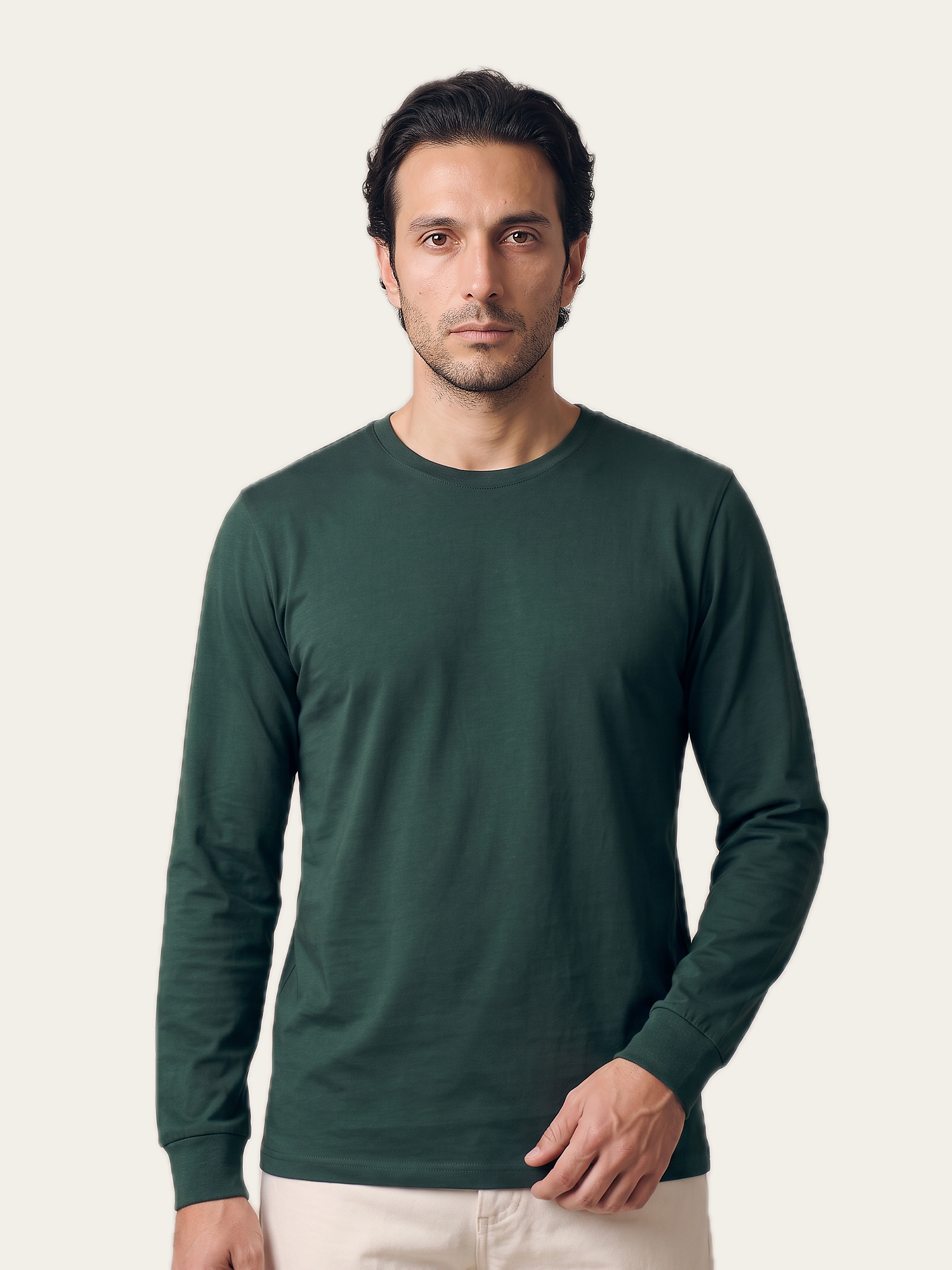
For a lighter layer, the CORE Long Sleeve Tee (₹799) is a 180 GSM cotton long sleeve tee with a clean crew neck, in a unisex regular fit. It comes in Noor Black, Rui White, Agni Red and Arav Green. It suits cool mornings and air-conditioned rooms, where a hoodie would be too much.
Winter colours and summer colours: a quick reference
| Colour | Best season | Why |
|---|---|---|
| Rui White | Summer | Light, clean, reflects sun |
| Gulabi Pink | Summer, early winter | Soft and easy in daylight |
| Noor Black | All year | Works in light pieces in summer, heavier ones in winter |
| Neel Blue | Winter, monsoon | Deep without being heavy |
| Arav Green | Winter, monsoon | Calm and earthy in cool light |
| Agni Red | Winter | Warmth as a single accent |
Where the seasons overlap
India is not one climate. Bengaluru’s mild winter behaves differently from Delhi’s, and coastal cities barely have a cold season at all. That is why a strict list of summer and winter colours will let you down. Instead, think in terms of weight and layers. A Noor Black CORE Long Sleeve Tee works in a cool Bengaluru evening; the same piece under an ORIGINAL Hoodie works in a Delhi December.
If you split your year across cities, see what to wear in Bengaluru, Delhi and Pune winters.
Three habits that make this easy
- Buy the season’s weight, not the season’s colour. Choose your winter colours and summer colours once, then change the fabric weight as the weather turns.
- Keep one light colour in every season. A Rui White tee under a hoodie brightens even the deepest winter colours.
- Repeat a colour across layers. Neel Blue hoodie over a Rui White tee is calmer than two competing accents.
What the six colours are not
They are not trend colours. They are named after real things and meant to sit together, so pairs almost always work. If you want to see how they combine, read two-colour outfit pairs from the six colours.
A worked example: one person, four seasons
Take someone living in a city with a proper cool season. Their summer and winter colours might look like this across the year.
- March to May: Rui White CORE Sleeveless Tee and Rui White CORE Crew Tee. Nothing dark in direct sun.
- June to September: Noor Black CORE Crew Tee, Gulabi Pink or Arav Green for a change, and nothing that stays damp for long. Neel Blue works too, since it hides splashes.
- October to November: Arav Green CORE Long Sleeve Tee for cool mornings, with the ORIGINAL Hoodie in the bag.
- December to February: ORIGINAL Hoodie in Neel Blue or Noor Black over a CORE Long Sleeve Tee in Rui White.
The palette is the same all year. Only the weight and sleeve length change. That is the practical reward of having six permanent colours: nothing you already own becomes out of season.
Colour and skin tone across seasons
Winter light is lower and warmer, and summer light is higher and harder. Deep winter colours such as Neel Blue and Arav Green look rich in the softer winter light. Bright, hard summer light is more forgiving to clean whites and soft pinks. If you want to check which colours suit you, read our guide to colours and Indian skin tones.
What about the monsoon?
The rainy months do not fit neatly into summer or winter colours. Mid-tones and deeper colours tend to hide splashes better than white, but the bigger factor is fabric that dries at a sensible pace. Rotate pieces so none stays damp, and keep Rui White for the days when the sky is clear.
Where to begin if you own nothing yet
Pick one light colour and one of the deeper winter colours. For most people, that means Rui White and Neel Blue, or Rui White and Noor Black. Add a piece in each for the season you are in now, and expand when the weather shifts. If you cannot decide between two starting colours, our comparison of Neel Blue or Noor Black as a first buy will help.
Do not overthink it
Seasonal colour advice is useful as a nudge, and a poor rule. If you love Agni Red in June, wear it. If Rui White makes you feel sharp in January, wear it. The house colours were chosen to sit together and to last, so almost any pair will look considered. Use the seasons to pick the weight of the piece, and let your own taste pick the colour. When in doubt, stand in front of a mirror in daylight and ask which one you would rather be seen in today.
FAQs
Are dark colours bad for Indian summers?
Not always, but light colours usually feel more comfortable in direct sun. If you wear Noor Black in summer, choose lighter pieces, such as a sleeveless tee, and spend the hottest hours indoors or in shade.
Which winter colours suit a hoodie?
There is no single right answer among the winter colours. Neel Blue, Arav Green and Noor Black are all steady choices for winter, and Agni Red brings warmth to a grey morning.
Can I wear Rui White in winter?
Yes. Rui White under a dark hoodie or jacket looks sharp in winter. Just keep it away from heavy outdoor mud and dust days.
Do I need different colours for each season?
No. The six house colours are permanent, so you can build one wardrobe and shift the weight of the pieces with the season instead of the palette.
Choose your weight for the season and your colour for the day: Reserve at ekvaar.com/shop.