A Manifesto · 2026
01
India has always had fashion.
Just never a House of it.
Why did India never have an all-time fashion house? Walk into any wardrobe in India and you’ll find the answer in the same quiet tragedy — clothes bought with excitement, worn twice, and forgotten. A kurta for a wedding. A dress for a party that never came. A shirt that felt right in the store and wrong in the mirror.
India has produced extraordinary designers. Legendary craftsmen. Couture that belongs in museums. But a Fashion House — in the truest, most complete sense of the word — one that is all-time in identity, a house in structure, and original in every collection it builds? That never existed. Until now.
02
The three things that existed.
And the one thing that didn’t.
Indian fashion has always operated within three familiar boxes. Understanding them is understanding why an all-time fashion house had to be built.
| What Existed | What It Does Well | What It Lacks |
|---|---|---|
| All-Time Brands Fabindia, Levi’s |
Timeless, reliable | Not a house. No creative universe. |
| House Brands Sabyasachi, Tarun Tahiliani |
A full creative house | Season-driven. Trend-dependent. |
| Fast Fashion Zara, H&M |
Multiple collections, accessible | Not timeless. Built to expire. |
| All-Time Fashion House Ekvaar |
Timeless + House + Collections | — This is the new category. |
“India didn’t need another fashion brand. It needed a new kind of fashion institution — one built not for seasons, but for a lifetime.”
03
What does All-Time actually mean?
It doesn’t mean old. It doesn’t mean classic in a nostalgic sense. All-time means designed to never become wrong. Clothes that don’t carry an expiry date. Pieces that feel as intentional five years from now as they do the day you first wear them.
All-time is a design philosophy. It asks every single garment a ruthless question before it earns its place in the House: Will this still be right in ten years? If the answer is no — it doesn’t belong here.
Fast fashion gives you excitement that lasts a season. All-time gives you clothing that becomes a part of who you are.
04
What makes it a fashion house?
A brand sells you products. A fashion house builds you a world.
Ekvaar is structured as five originals under one roof — Solids, Layers, Street, Luxe, and Origins. Not five separate product lines. Five pillars of a complete wardrobe, each with its own identity, its own language, its own reason to exist — but all speaking the same truth.
When you walk into the House of Ekvaar, you don’t pick a trend. You build a wardrobe. One that is entirely, permanently yours.
“A house is not defined by how much it sells. It is defined by how completely it thinks — about who you are, what you need, and how you will live in what it creates.”
05
The name that says everything.
All time.
EKVAAR means all time. The house is built on a single, powerful belief — that great fashion should be chosen with full intention and kept for all time. Not replaced every season. Not regretted by next year. Chosen with care, and kept for life.
It is the quiet rebellion against a world that profits from your dissatisfaction. Against the algorithm that tells you what’s new before you’ve finished wearing what’s in your wardrobe. Against the culture that mistakes volume for value.
Ekvaar says: choose less. Choose better. Choose for all time.
06
Inside the fashion house today
An idea only matters if you can wear it. Today the House of Originals is made in India, and every piece is made for you once you reserve it, rather than produced in bulk and pushed through a sale. That is how an all-time fashion house should behave: it makes what people actually want, and it makes it to be kept.
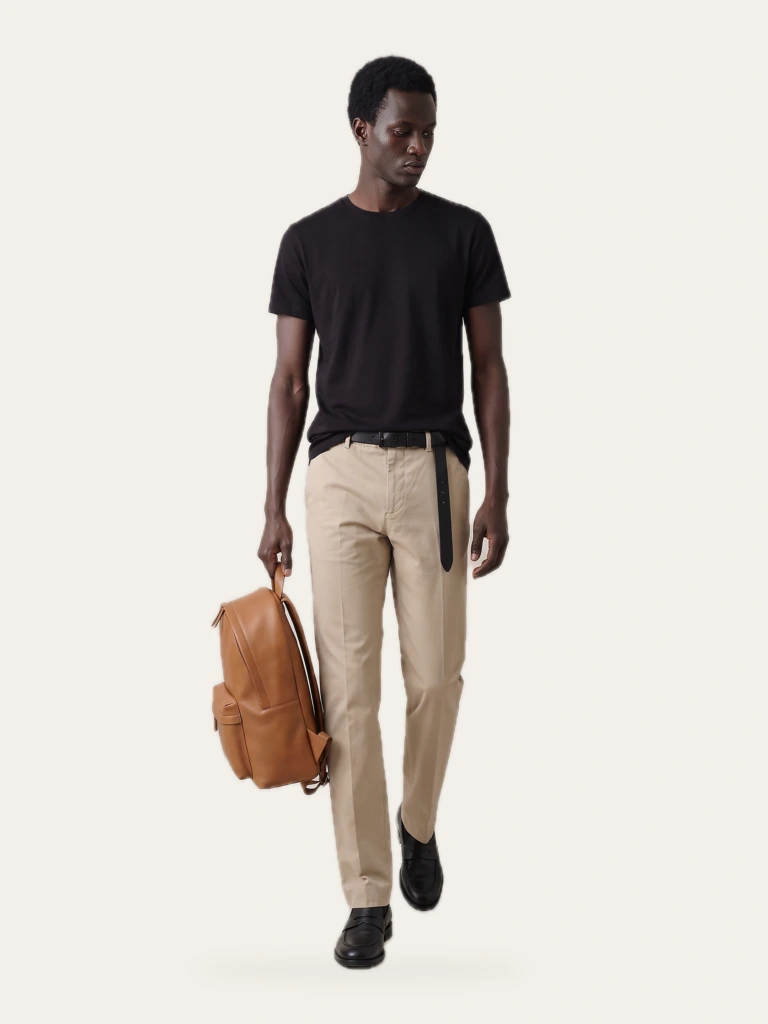
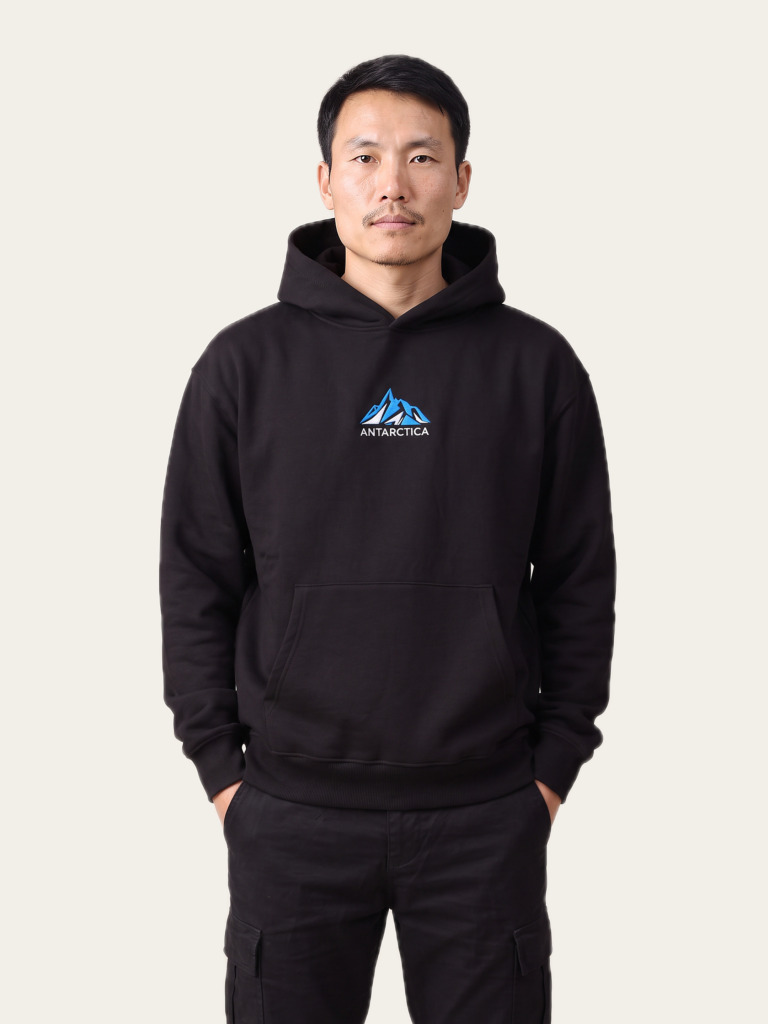
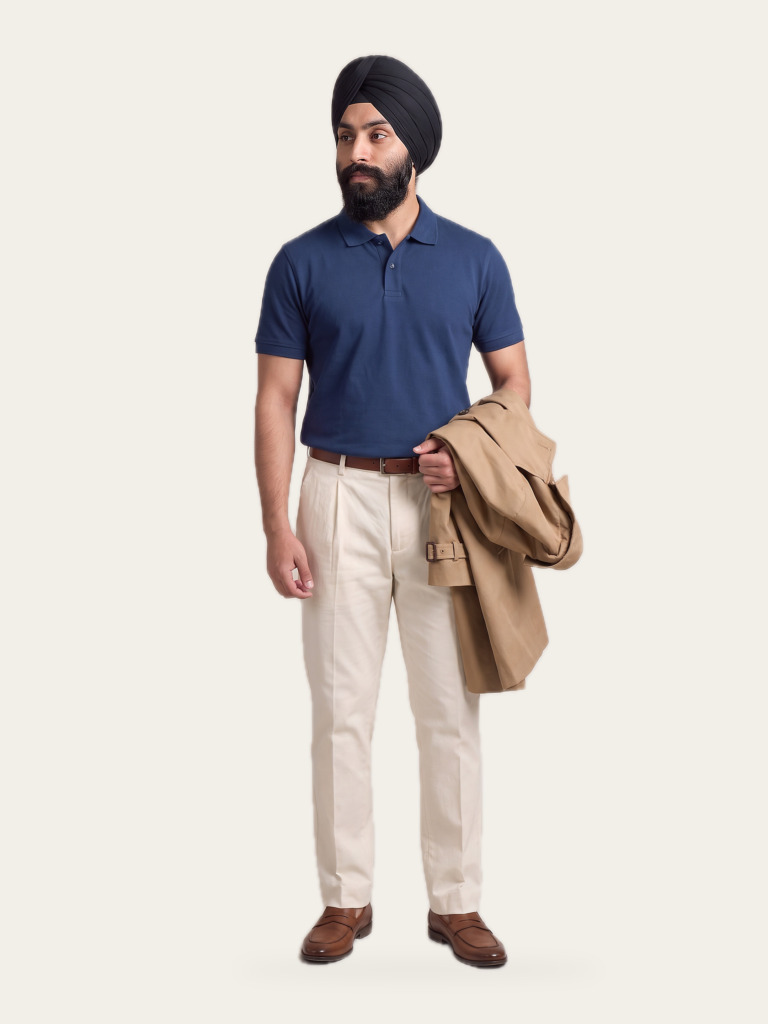
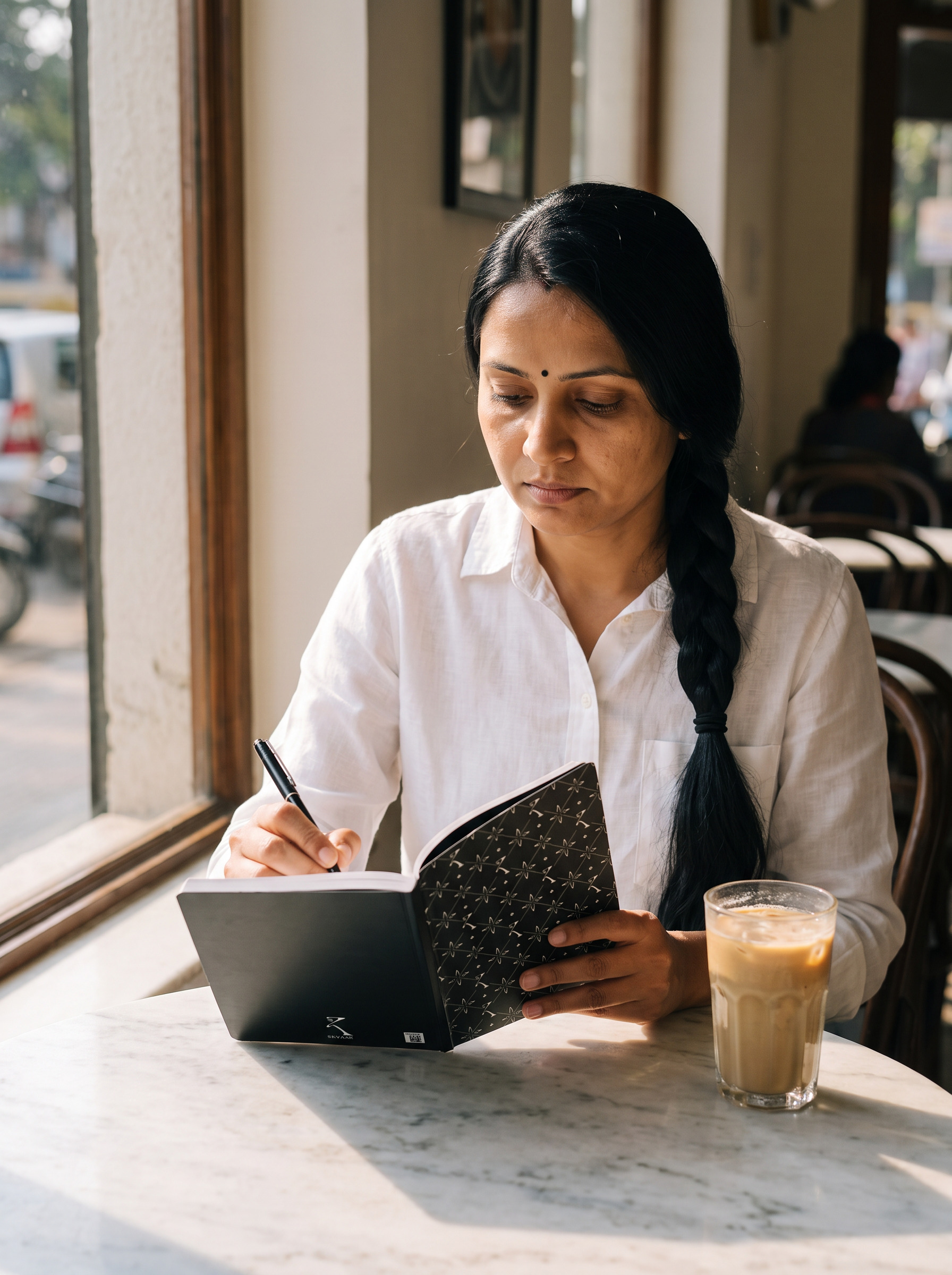
Each of the five houses has a clear job. Solids are the everyday base: plain tees, polos and essentials with no print, just the colour. Layers are the hoodies and sweatshirts you add as the weather turns. Street carries the bolder printed and oversized pieces. Luxe holds the most considered pieces, such as the ESSENCE Terry Tee. Origins holds everyday objects, like a notebook, a stole or a steel bottle, that carry the same idea off the body.

Every house shares one palette of six permanent colours: Noor Black, Rui White, Agni Red, Neel Blue, Arav Green and Gulabi Pink. Because the colours never rotate out, a tee you buy this year will still match a hoodie you buy years from now. That is the practical meaning of all-time: a wardrobe that keeps fitting together.
The idea of a fashion house is old. In Europe it grew up around couture ateliers that built a recognisable world, season after season; the encyclopaedia entry on the fashion house gives a short history. What we are building borrows the structure, not the seasons: one house, five originals, one palette and no expiry date.
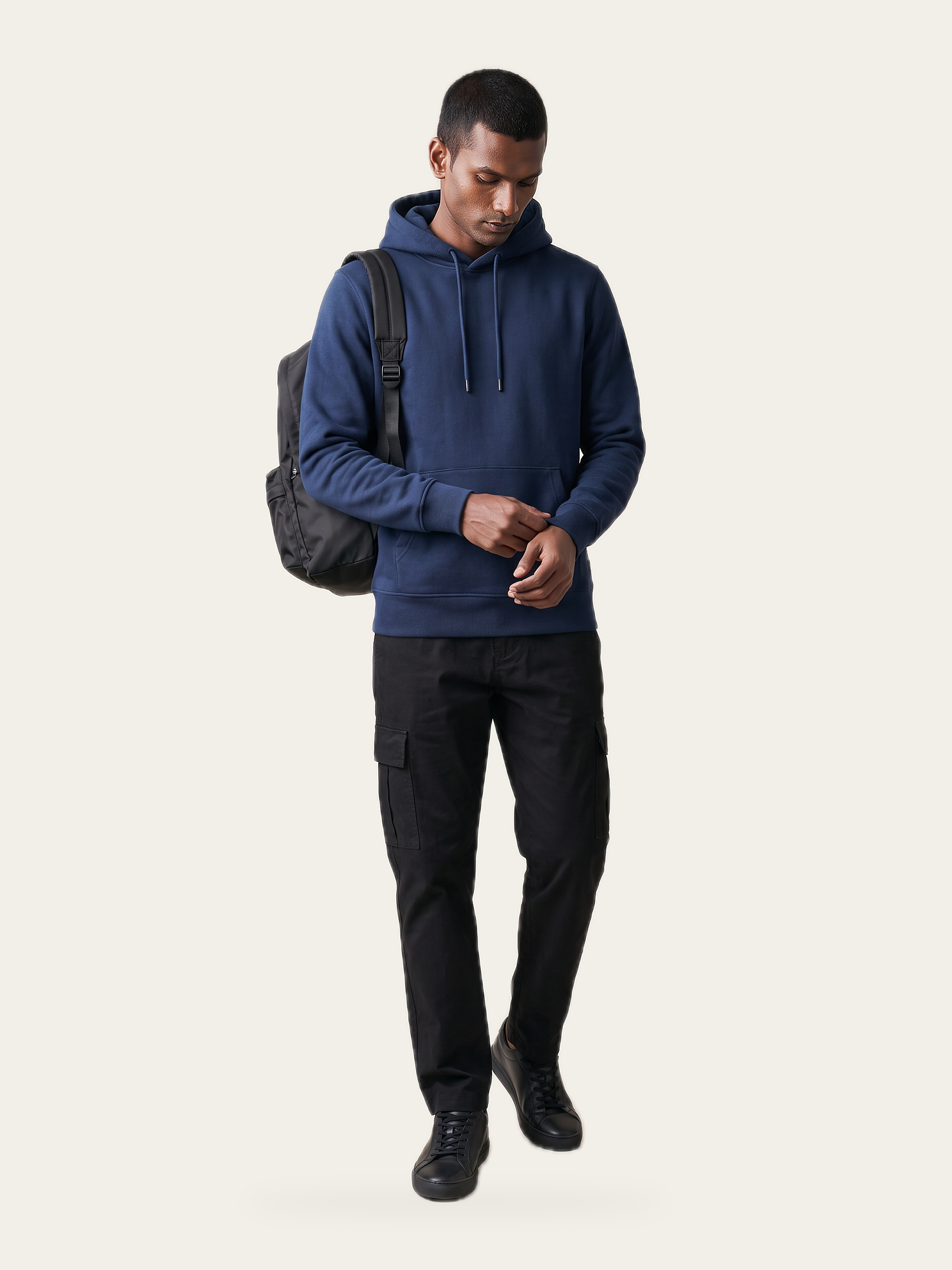
If you want to start, start small. Pick one piece from Solids in the colour you wear most, like the CORE Crew Tee, and add a layer such as the ORIGINAL Hoodie when you need one. That is how a fashion house becomes your own wardrobe: one considered piece at a time.
The EKVAAR manifesto
This is what we believe. This is what we build. This is why we exist.
We do not design for seasons. We design for lives.
We are not a brand. We are a House.
Not a collection. An institution.
Not trend. Not hype. Not noise.
Original. All-time. Forever.
India’s all-time fashion house. — Ekvaar.