What is worth paying more for: what you wear most
The pieces worth paying more for are the ones you wear most often, that touch your skin the longest, or that you rely on for structure and warmth. Divide the price by the wears you honestly expect in a year. If a higher-priced piece comes out cheaper per wear than the alternative, it is worth paying more. If it sits in the cupboard, it never was.
Most wardrobes have the money in the wrong places. A party outfit worn twice costs more per wear than a plain tee worn a hundred times, even when the party outfit was cheaper on the day. This post gives you a simple three-question test for what is worth paying more for, then walks through three pieces that pass it. If you want the maths in more detail, our cost per wear for a hoodie post works through a full example.
The worth paying more test
- How often will I wear it in a normal month? Be honest. Count the weeks you will use it, not the weeks you imagine using it.
- Does it touch my skin, or hold my shape? Tees, innerwear and outer layers earn a higher price faster than accessories or statement pieces.
- Will I still want it in two years? Plain shapes and simple colours survive. Loud trends often do not.
If the answer to the first is “weekly” and the answer to the second is “yes”, pay for quality. If the answer to the first is “a few times a year”, pay less, or borrow.
Worth paying more: the daily tee
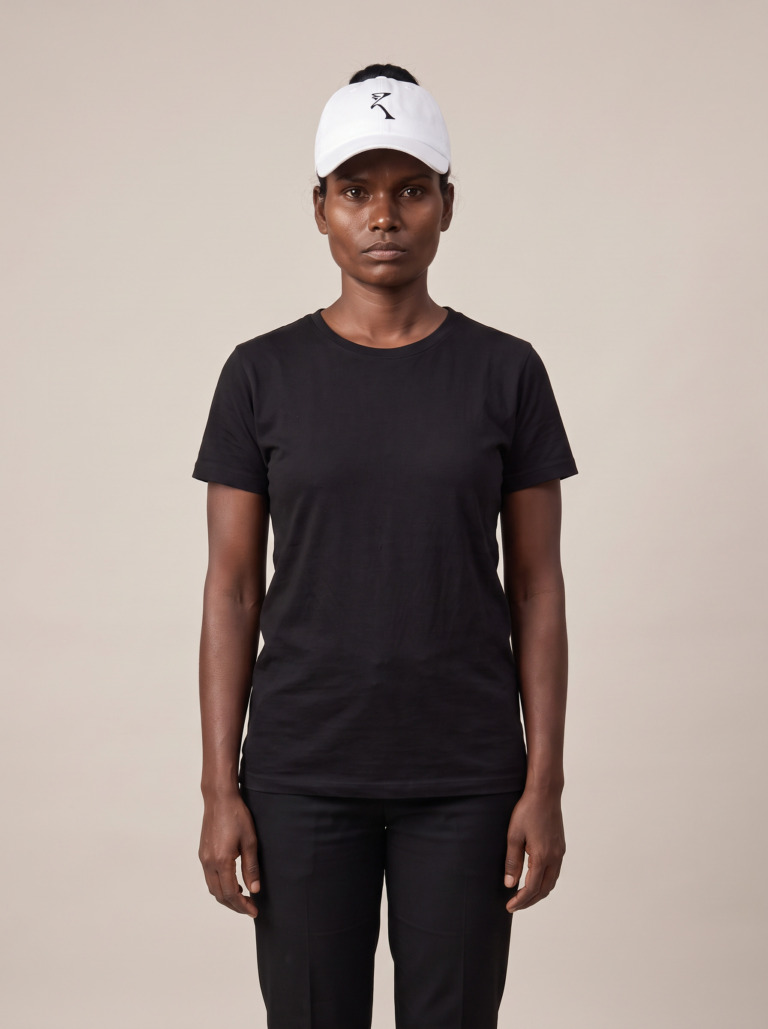
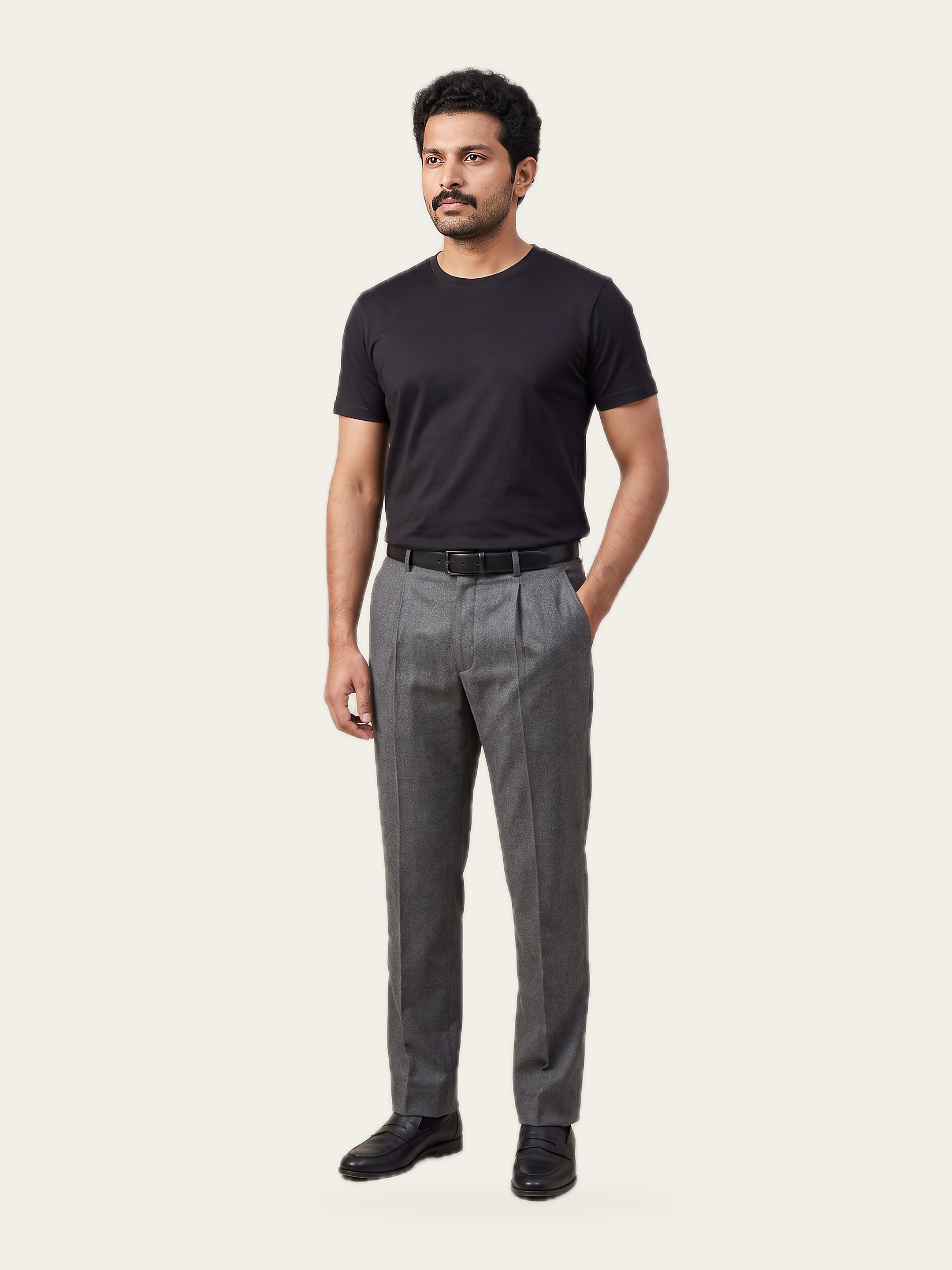
A tee that is worn every week is the best place to spend a little more, because it is the piece that takes the most washing. The CORE Supima Tee is a premium crew-neck tee in long-staple Supima cotton, made to feel smooth and soft and to hold its shape wash after wash. It costs ₹999 and comes in Noor Black, Rui White and Neel Blue.
Compare it with our CORE Crew Tee at ₹749, a 180 GSM cotton crew tee in a unisex regular fit. Both are good. The difference is what you are paying for: the Supima costs ₹250 more, and that buys a smoother hand-feel and a shape that is meant to last. If you wear a tee three days a week, the extra ₹250 is spread across well over a hundred wears in a year, which is a couple of rupees a wear. If you wear it once a fortnight, you may not notice the difference, and the CORE Crew Tee is the more sensible choice.
We look at why heavier and better-made tees keep their shape in why heavyweight tees hold their shape.

Worth paying more: the outer layer you reach for
The next place to spend is the layer that does the work in cold months. The ORIGINAL Zip Hoodie is a 400 GSM brushed-fleece full-zip hoodie in 90% cotton, with ribbed cuffs and hem, in a unisex regular fit. It costs ₹1,799 in Noor Black or Rui White. That is more than the ORIGINAL Hoodie at ₹1,299, so what does the extra money buy?
- More fabric weight. 400 GSM against 300 GSM. That is a heavier, warmer fleece.
- A zip. You can open it, close it, and layer it in an air-conditioned room, or on a colder morning, in seconds.
- Ribbed cuffs and hem. They help the hoodie sit in place instead of riding up.
Now do the sum. Say you wear it twice a week through the cold months, about twenty weeks in a year. That is forty wears. ₹1,799 divided by forty is roughly ₹45 a wear in the first year, and it falls every year after that. For a piece that goes over almost everything, that is a fair price. If your winters are short, the ₹1,299 ORIGINAL Hoodie may be the better fit. For the full comparison, see our post on the ORIGINAL Hoodie versus the zip hoodie.
Worth paying more: the piece that stays quiet
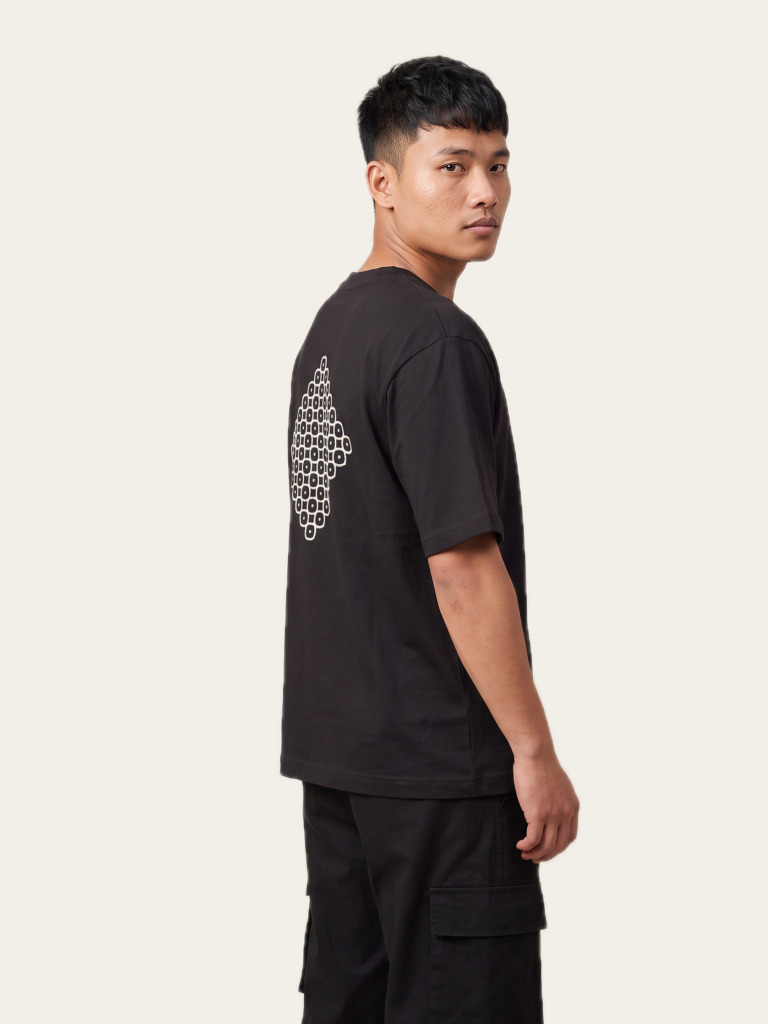
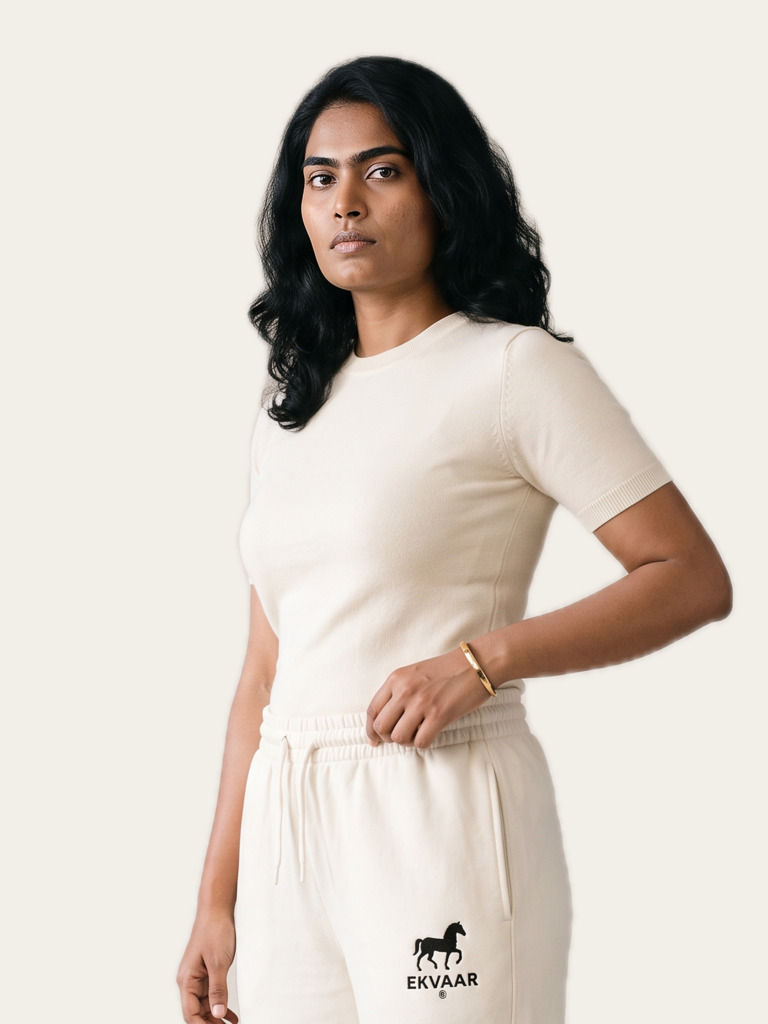
The third category is the quiet luxury piece: something plain in its look but heavier and better finished than the tee next to it. The ESSENCE Terry Tee is that piece. It is a 260 GSM terry tee in 90% cotton, cut oversized with drop shoulders, and finished with a quiet EKVAAR embroidery. It costs ₹2,099 and is offered in Rui White. Terry gives a tee more body and a softer, towel-like surface, so it is closer to a light sweatshirt than a T-shirt.
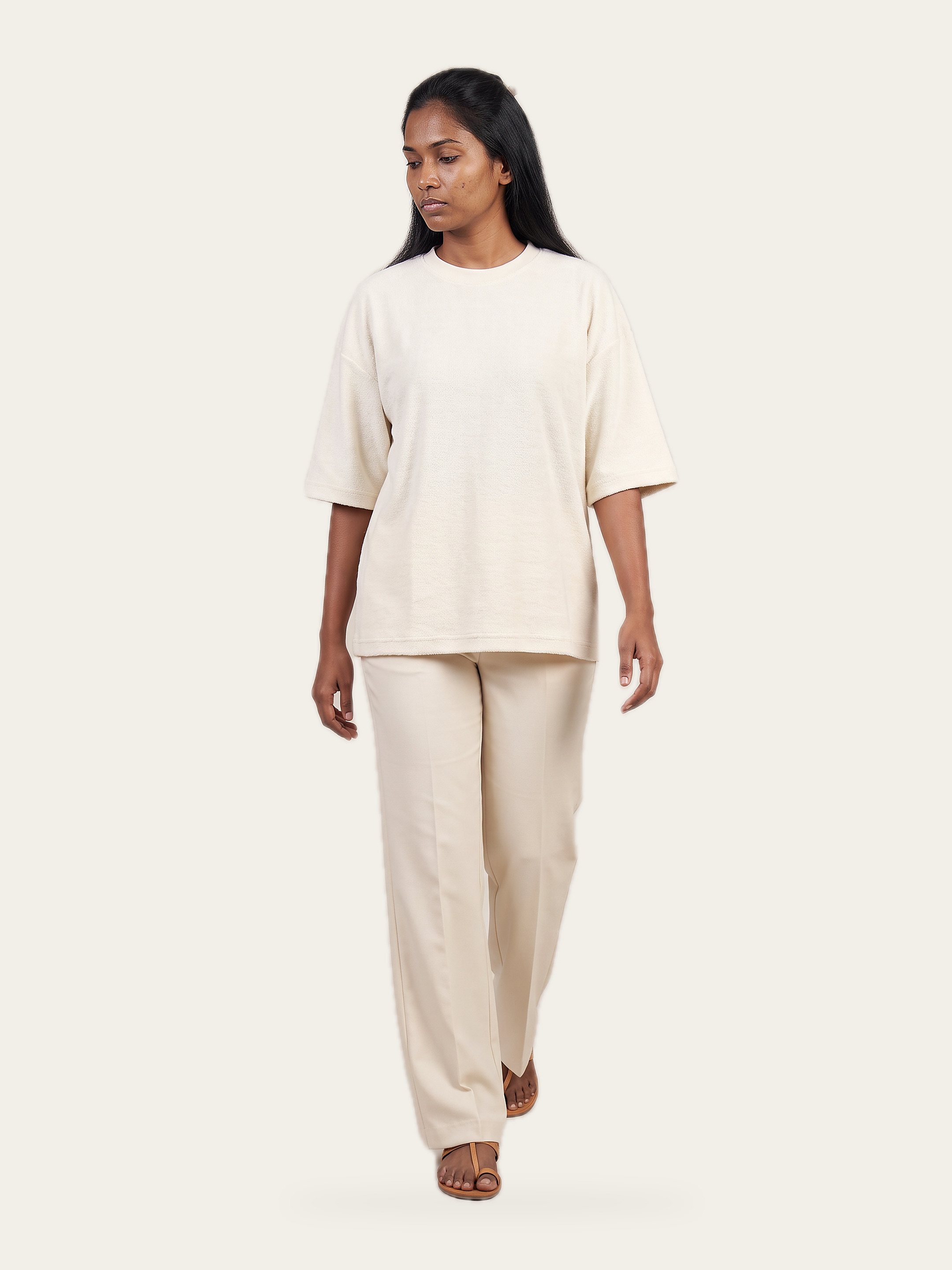
Is it worth paying more? It depends on where it sits in your week. If you want a tee that holds the outfit together on its own, without a layer over it, then yes. If you will always wear it under something else, save the money for a piece people can see.
Do not confuse price with value
A higher price is not proof of a better piece. It only tells you that more material, more finishing or more care went into it. Whether it is worth paying more is your call, and the wear count is how you make it. A useful habit is to ask one more question before you reserve anything: what will I wear this with? If you can name three outfits without stopping, it is a good sign. If you cannot name one, wait a week and ask again.
Where to save
Not everything is worth paying more for. These are the places where spending less makes sense:
- Occasion wear you will wear twice. Rent it, borrow it, or buy the simplest version.
- Trend items. If a shape or print will feel old in a season, do not invest in it.
- A second piece in the same role. You do not need three “good” black hoodies. One good one and one everyday one will do.
A simple budget rule
Spend about half your clothes budget on the five pieces you wear most, a third on the next tier, and the rest on things you will wear less often. You do not need exact numbers. What matters is that your best money goes to your most-used pieces. Our rupee wardrobe budget planner can help you set the split.
What you are paying for, in plain terms
| Piece | Price | What the extra cost buys |
|---|---|---|
| CORE Supima Tee | ₹999 | Long-staple cotton, smooth feel, shape that lasts |
| ESSENCE Terry Tee | ₹2,099 | 260 GSM terry, oversized drop shoulders, quiet embroidery |
| ORIGINAL Zip Hoodie | ₹1,799 | 400 GSM brushed fleece, full zip, ribbed cuffs and hem |
Each is made to order when you reserve it, shipping is free across India, and nothing is made in advance, so there is no stock waiting for a buyer. That is one of the reasons we can keep the pieces simple and put the money into the fabric.
The best test is the one you can run at home. Open your wardrobe, pull out the five things you wore last week, and look at what they have in common. That is what is worth paying more for next.
FAQs
How do I decide if a piece is worth paying more for?
Estimate how many times you will wear it in a year, and divide the price by that number. If the higher-priced piece costs less per wear than a cheaper one you would wear less, it is the better buy.
Is a Supima cotton tee worth paying more for?
It can be, if you wear tees most days. Supima is long-staple cotton, which is made to feel smooth and hold its shape wash after wash. The extra cost is spread over many wears.
Which wardrobe pieces are usually not worth paying more for?
Anything you wear only a few times a year, or anything that follows a trend that may fade. Spend less there, and keep your budget for the pieces you wear weekly.
Do heavier fabrics justify the higher price?
Often yes, for outer layers. A 400 GSM brushed fleece hoodie uses more material and gives more warmth. Whether it is worth it depends on how many cold days you will actually wear it.
When you are ready, see the full range in the shop and reserve what you will actually wear.