
Cost per wear is the price of a piece divided by how many times you wear it. A hoodie at ₹1,299 that you wear 100 times costs about ₹13 a wear. A hypothetical ₹599 hoodie that you wear 25 times before it gives up costs about ₹24 a wear. The cheaper tag is not always the cheaper choice.

A quick note on these numbers
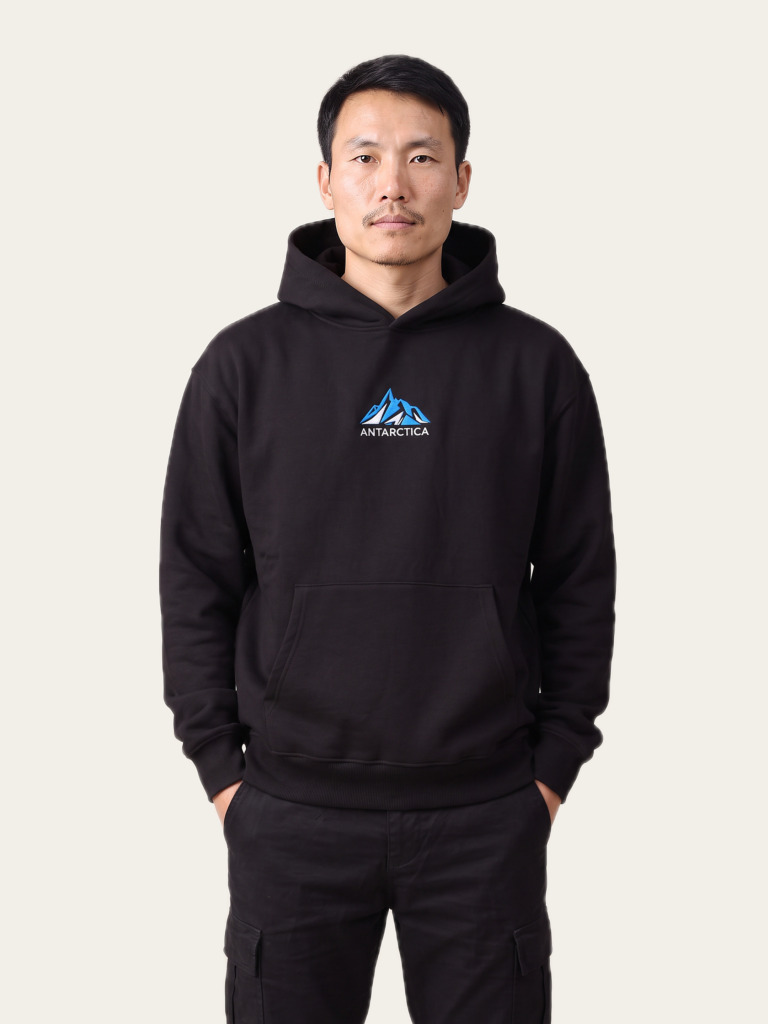
The ₹1,299 price is real. It is the price of the ORIGINAL Hoodie, a 300 GSM brushed cotton fleece hoodie with a lined hood and a front pouch pocket. The ₹599 hoodie is a made-up example. It is not a real product and it does not stand for any brand. We use it only to show how the maths works.
The wear counts are assumptions too. We cannot promise how long any garment will last for you, because it depends on how you wash it, how often you wear it, and what you ask of it. Treat the numbers below as a way of thinking, and swap in your own.
The cost per wear formula
It is one line: price divided by number of wears.
That is all. The useful part is being honest about the second number. Most people guess high when they are buying and low when they look back. So count from your own closet. How many times did you wear your last hoodie in a cold season? Ten? Forty? That is your starting point.
The cost per wear comparison, in a table
Here are three scenarios for the ₹1,299 hoodie and three for the hypothetical ₹599 hoodie.
| Hoodie | Price | Wears (assumed) | Cost per wear |
|---|---|---|---|
| ORIGINAL Hoodie | ₹1,299 | 50 | about ₹26 |
| ORIGINAL Hoodie | ₹1,299 | 100 | about ₹13 |
| ORIGINAL Hoodie | ₹1,299 | 150 | about ₹8.66 |
| Hypothetical hoodie | ₹599 | 20 | about ₹30 |
| Hypothetical hoodie | ₹599 | 25 | about ₹24 |
| Hypothetical hoodie | ₹599 | 40 | about ₹15 |
Look at the cost per wear crossover. If the ₹599 hoodie lasts 40 wears, it costs about ₹15 a wear, and the ₹1,299 one needs only about 87 wears to match it. Whether a hoodie gets there is the real question, and the answer depends on the cloth and the make.
Why the cheaper hoodie can cost more
A hoodie lives a hard life. It gets washed often, it is pulled on and off, and it carries the weight of the hood and the pocket all day. Here is where a light, thin hoodie tends to give up first.
- Shape. Thin fleece can stretch at the cuffs and hem and lose its fit.
- Hood. A single-layer hood flops. A lined hood holds its form.
- Surface. Some cheaper fabrics pill, which means small balls of fibre form on the surface.
- Colour. Colour can fade unevenly after repeat washing.
None of that is certain in any given hoodie. But if a hoodie starts to look tired after a season, you stop wearing it, and your wear count stops with it. That is the whole point of cost per wear: the number falls only when you keep reaching for the piece.
What is in the ₹1,299 hoodie
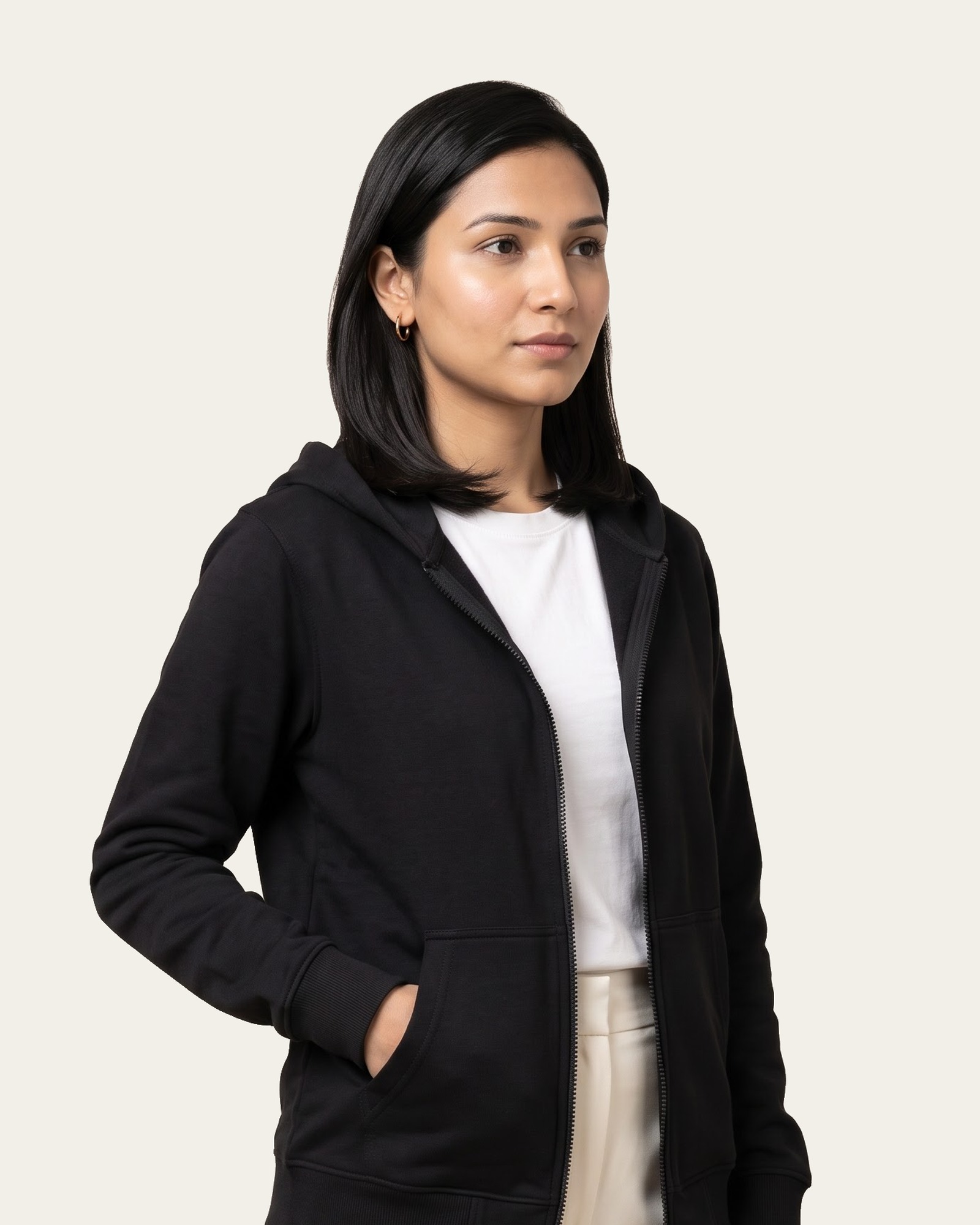
The ORIGINAL Hoodie is a 300 GSM brushed cotton fleece hoodie with a lined hood and a front pouch pocket, in a unisex regular fit. It comes in Noor Black, Rui White, Agni Red, Neel Blue, Arav Green and Gulabi Pink. That is a full six-colour range, which makes it easier to find one that goes with most of your wardrobe, and so easier to wear often.
If you want a heavier piece, the ORIGINAL Zip Hoodie is ₹1,799 in a 400 GSM brushed fleece with 90% cotton. If you want something softer and simpler, the CORE Pullover Hoodie is ₹1,249 in soft terry.

Three things cost per wear does not capture
1. Comfort
If a hoodie is comfortable, you wear it. A hoodie you dislike sits in the cupboard, and its cost per wear stays at the full price. Comfort is the quiet driver behind every good cost per wear number.
2. Versatility
A hoodie in a colour that goes with most of your closet is worn more. A loud one you wear once a month is not. Six colours, chosen with care, can help here. Pick the colour that already matches most of your clothes.
3. How you care for it
Washing gently and drying in shade will help almost any garment last longer. Follow the care label on the piece you receive. Small habits add wears and lower the cost per wear.
How to work out cost per wear yourself
- Write down the price of the piece you are considering.
- Estimate how often you would wear it in a week, in the season you would wear it.
- Multiply by the weeks in that season, then by the number of seasons you honestly expect to keep it.
- Divide the price by that number.
- Compare it with what you are already wearing.
Take a hoodie you would wear twice a week for ten weeks. That is 20 wears in a season. Over three seasons it is 60 wears, and ₹1,299 divided by 60 is about ₹22 a wear. Wear it for five seasons and it falls to about ₹13. The number keeps dropping for as long as the piece stays wearable.
When the cheaper option is fine
Cost per wear does not mean you should always spend more. A piece you will wear five times, such as something for one event or a trip, does not need to last for years. A cheaper tag can be the right call there. The maths works against the low price only when you plan to wear the piece often and for a long time.
So ask two questions before you buy anything. How often will I wear it? And will it still be good on the fiftieth wear? If both answers are yes, spend on the piece you will keep. Wearing what you buy for longer is also one of the simplest ideas behind sustainable fashion.
Where this fits in a small wardrobe
Cost per wear works best when your wardrobe is small and every piece is worn. Our minimalist wardrobe checklist walks through this step by step. If you are comparing options beyond a single hoodie, see Fast Fashion Alternatives in India That Are Still Affordable.
The ORIGINAL Hoodie is made for you in India once you reserve it, and shipping is free across India.
FAQs
What is cost per wear?
Cost per wear is the price of a garment divided by the number of times you wear it. A lower number means better value over time. It rewards clothes you keep wearing, not clothes that are simply cheap.
Is the ₹599 hoodie in this post a real product?
No. The ₹599 hoodie is a hypothetical example used only for comparison. The ₹1,299 price is the real price of the ORIGINAL Hoodie. The wear counts for both are assumptions, so please replace them with your own.
Does a higher GSM always mean a better hoodie?
No. GSM tells you the weight of the cloth, not the quality of the make. It is a useful clue for warmth and structure, and it works best alongside fabric, stitching and how the piece feels after washing.
How many times should a hoodie be worn?
Many people wear a favourite hoodie for two or three cool months a year over several years. Count your own habits. If you wear one twice a week for ten weeks, that is already twenty wears in a single season.
If the maths works for you, see the shop.