What is all-time fashion?
All-time fashion is clothing designed to be worn for years, not seasons. It is made in small numbers, from fabric you can name and measure, in colours that keep working together, and priced by what it costs per wear rather than per purchase.
EKVAAR is a House of Originals, and all-time fashion is the idea we built it on. “India ka original” is our short version. The longer one is our promise: made once, made well, made to stay. This page explains what all-time fashion means in practice, so you can judge any brand against it, including us.

Why fast and slow fashion are not enough
Fast fashion is easy to describe. New styles arrive every few weeks, prices are low, and the clothes are built to be replaced. The cost is not on the tag. It shows up when a tee twists after two washes or a hoodie goes thin at the elbows, and you buy the same thing again.
Slow fashion started as the answer. It asks you to buy less and care more, and that is good advice. But “slow” is not a specification. A brand can call itself slow and still make one collection after another that goes out of style. The word describes an attitude, and it does not tell you what is in your hands.
All-time fashion is stricter. It asks four questions of every piece. Will you still want it in five years? Is the fabric good enough to last that long? Does it go with what you already own? Was it made only because someone wanted it? If the answer to any one is no, it does not belong in the range.
Fast, slow and all-time fashion, side by side
| Fast fashion | Slow fashion | All-time fashion | |
|---|---|---|---|
| Core idea | Newness, quickly | Buy less, care more | Wear it for years, by design |
| New styles | Constant drops | Fewer, often seasonal | A small permanent range, no seasons |
| How it is made | Ahead of demand, in bulk | Smaller batches, varies by brand | Made to order, after you reserve |
| Fabric | Often not stated | Often natural or recycled | Named, with GSM and blend on the page |
| Colour | Trend colours that change | Varies | Six permanent colours that mix |
| How you judge it | Price on the tag | Values and story | Cost per wear |
| What it asks of you | Keep coming back | Consume less | Choose once, wear often |
The table is a simplification, since brands sit anywhere along each row. Read it as a description of what all-time fashion aims for, not a verdict on any one label.
Five principles of all-time fashion
1. Made once
Every EKVAAR piece is made to order. It is made when you reserve it, so nothing sits in a warehouse waiting for a discount and nothing is produced on a guess. That means no deadstock and no overproduction, which is the first rule of all-time fashion. It also means a short wait, which we cover in how made to order works.
2. Made well
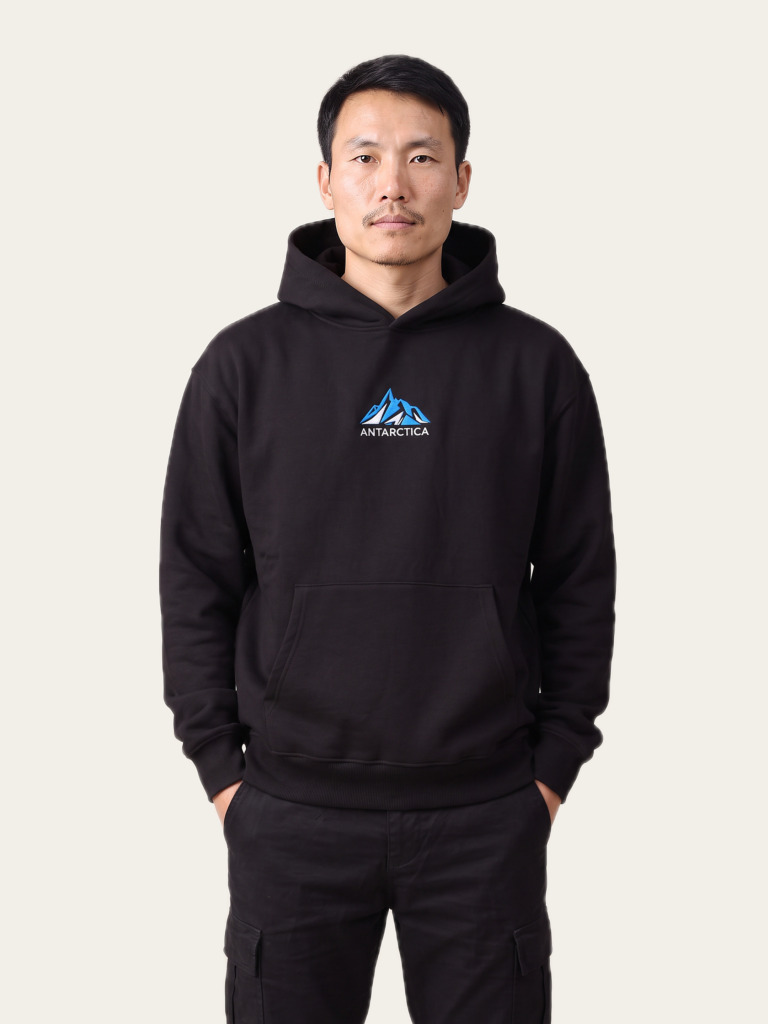
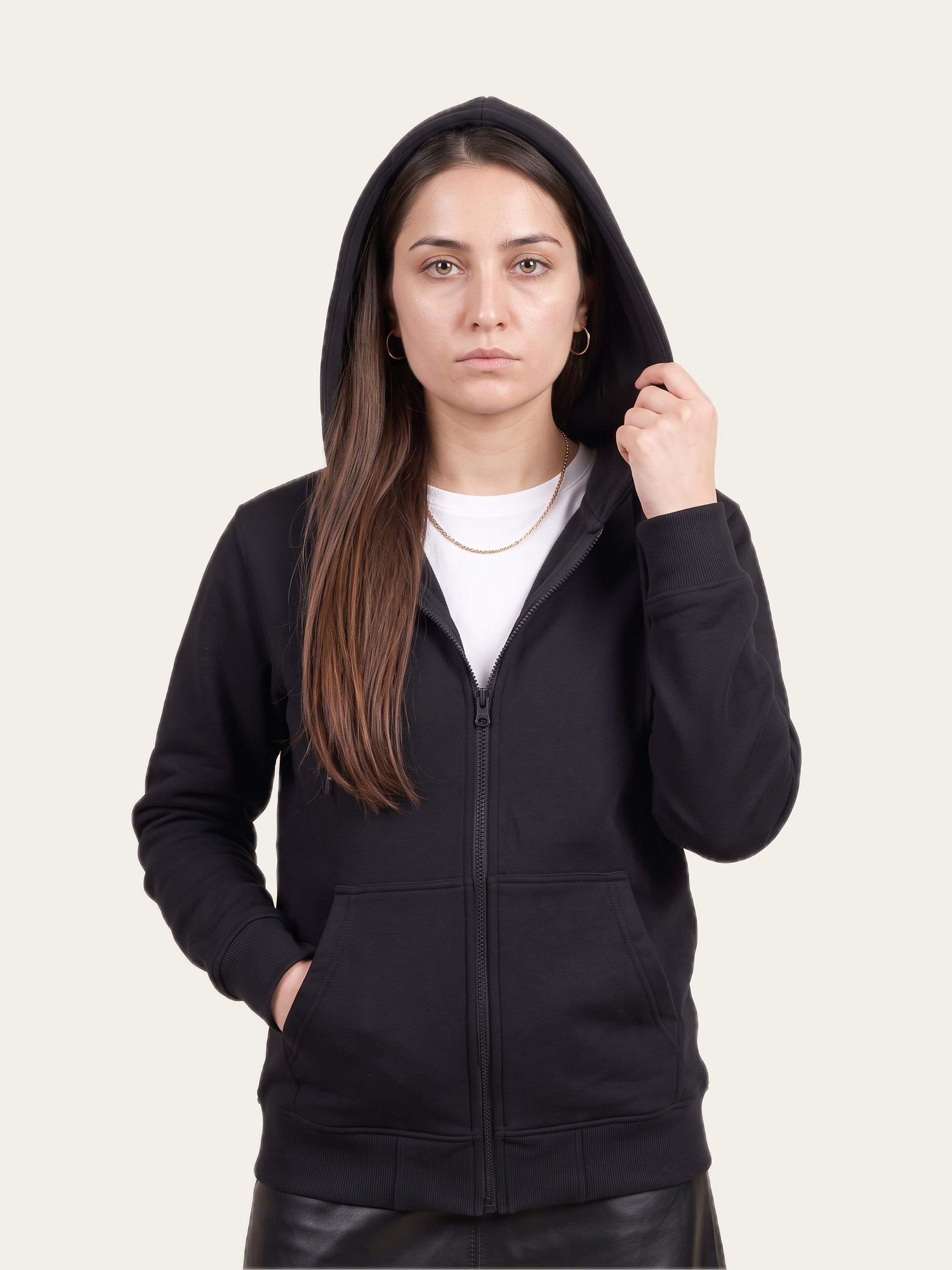
In all-time fashion, “good fabric” means nothing until it has a number. So we put the number on the page. The ORIGINAL Hoodie is a 300 GSM brushed cotton fleece with a lined hood and a front pouch pocket. The ORIGINAL Zip Hoodie is a 400 GSM brushed-fleece full-zip in 90% cotton, with ribbed cuffs and hem. The CORE Crew Tee is a 180 GSM cotton crew, mid-weight and soft from the first wear. If you want to know what those numbers feel like, our GSM guide for Indian weather explains it in plain words.
3. Six colours, no more
The house has six permanent colours: Noor Black, Rui White, Agni Red, Neel Blue, Arav Green and Gulabi Pink. They do not change with the season. That is on purpose, because all-time fashion depends on pieces that keep matching. A wardrobe of six colours mixes without effort, and a piece you buy today will still match the one you buy in three years. The reasoning is in why we only have six colours.
The colours are not on every product. Some pieces come in two or three, some in all six. The CORE Crew Tee, for example, comes in all six. The ORIGINAL Hoodie does too.
4. Cut to stay
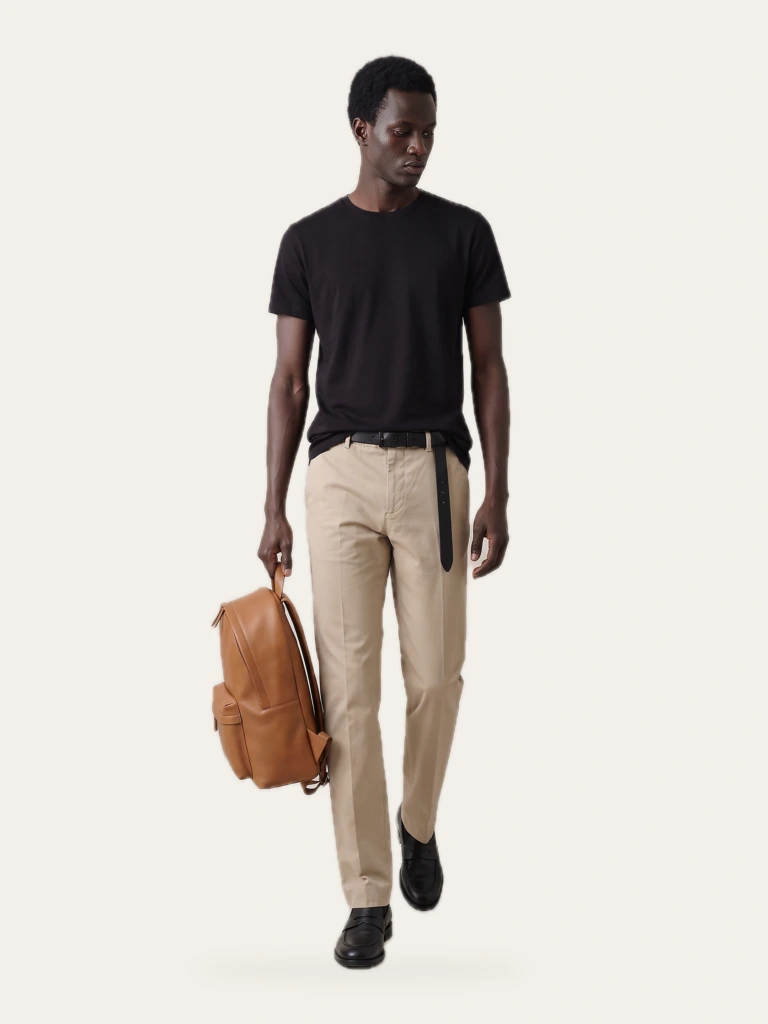
A trend cut looks right for one year. A plain cut, the kind all-time fashion relies on, looks right for many. Our Solids house leans on shapes that have not needed changing: a regular-fit crew, a pouch-pocket hoodie, a piqué polo with a ribbed collar. Fit language on each product page is what we say and nothing more. The CORE Crew Tee is a unisex regular fit. The FORM Oversized Tee is a heavyweight 240 GSM cotton tee cut oversized, with dropped shoulders and extended length. We describe what it is, and you choose the fit you like.
5. Priced by wear
The honest way to judge a garment is by what each wear costs. A cheap piece you wear ten times is not cheap. A better one you wear two hundred times almost always is. The next section does that maths with real prices.
Cost per wear, with real prices
Cost per wear is the price divided by the number of times you wear the piece. It is simple arithmetic, and it changes how you shop. Here are our own prices, using wear counts that are examples rather than promises. Your numbers will differ with how often you reach for each piece.
| Piece | Price | If worn 50 times | If worn 100 times | If worn 200 times |
|---|---|---|---|---|
| CORE Crew Tee (180 GSM) | ₹749 | ₹14.98 | ₹7.49 | ₹3.75 |
| ORIGINAL Hoodie (300 GSM) | ₹1,299 | ₹25.98 | ₹12.99 | ₹6.50 |
| ORIGINAL Zip Hoodie (400 GSM) | ₹1,799 | ₹35.98 | ₹17.99 | ₹9.00 |
| CORE Piqué Polo (220 GSM) | ₹999 | ₹19.98 | ₹9.99 | ₹5.00 |
Now compare across price points. Say a hoodie costs ₹599 and gets worn 25 times before it loses its shape. That is ₹23.96 a wear. An ORIGINAL Hoodie at ₹1,299, worn 100 times, comes to ₹12.99 a wear. It costs more than twice as much on day one and about half as much per wear in the end. The ₹599 hoodie is a made-up example, not a real product. The point is the direction of the maths, and it holds for any pair of prices where the dearer piece lasts longer.
The reverse is also true. If you would wear a piece only ten times, no price is low enough to make it a bargain. All-time fashion is as much about buying fewer things you do not need as it is about buying better ones. There is a fuller walk-through in cost per wear: why a ₹1,299 hoodie beats a ₹599 one.

What a small all-time fashion wardrobe looks like
Picture a wardrobe of eight pieces that all work together. Two crew tees, one in Noor Black and one in Rui White. A polo in Neel Blue. A hoodie in Noor Black for cooler evenings and a second in Arav Green for weekends. A pair of sweatpants. A cap. A bottle you carry every day, like the 750 ml Hydra Bottle in matte 304 stainless steel at ₹499.
Every piece goes with every other piece, because the colours were chosen to mix. You never stand in front of the cupboard wondering what matches. The tees do the daily work, the hoodies do the cold weather, and nothing is bought for a single occasion. That is the shape of all-time fashion: fewer decisions, more wears.
It also changes how you shop. Instead of asking “do I like this?”, you ask “what will this go with, and how often will I reach for it?” A piece that fails the second question stays out, however good it looks on the hanger. The aim is that what you own gets worn more.
All-time fashion for Indian weather
A wardrobe in India has to handle hot afternoons, monsoon humidity, cool winter mornings in the north, air-conditioned offices and long journeys. All-time fashion here means pieces that stay comfortable across that range, not just in one photograph.
That is why the five houses work as a system. A Solids tee handles the heat on its own. Add a Layers sweatshirt when the evening cools or the office is cold. Swap in a Street or Origins piece when you want more character. Think in occasions rather than outfits: a piece that suits five ordinary days will be worn until it is soft and familiar.

Looking after what you own
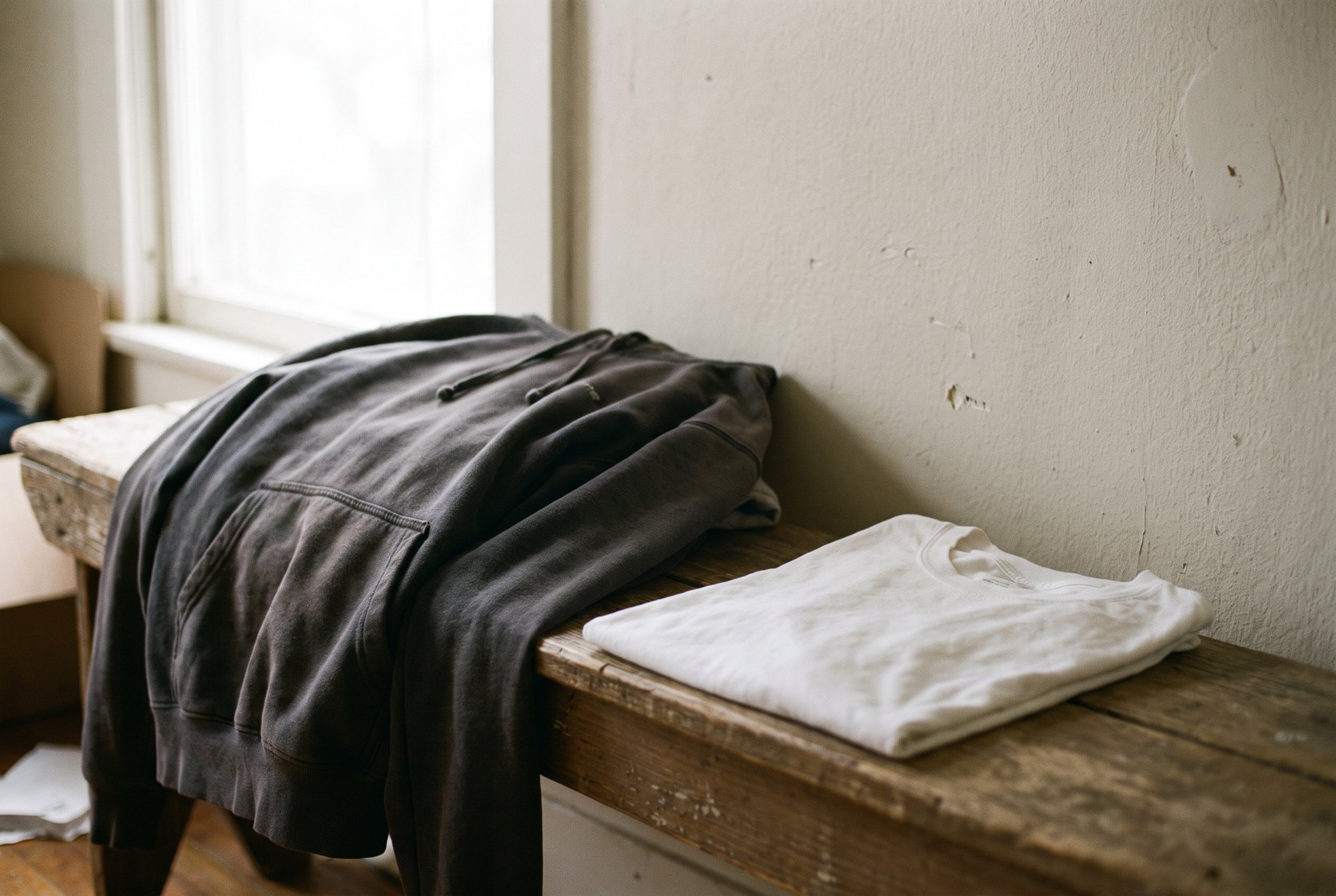
Good fabric helps, but care decides how long a garment lasts. Wash on a gentle cycle, turn printed and embroidered pieces inside out, and dry them away from harsh direct sun where you can. Hoodies in brushed fleece are best folded, not hung, because hanging can stretch the shoulders over time. None of this is complicated, and it costs nothing. Care is the quiet half of all-time fashion, and it is what turns a good cost per wear into a great one.
What all-time fashion is not
It is not a promise that nothing wears out. Every fabric ages, and how you wash and store a piece matters as much as how it was made. It is not a claim that trends are bad either. Trends are fine. They just do not belong in a wardrobe you want to keep for ten years.
It is also not one price. Our range runs from a ₹299 Original Notepad to a ₹1,999 Contour Hoodie in 90% cotton, 10% polyester, 400 GSM. What holds across that range is the standard: a named fabric, a permanent colour, a cut that does not date, and a piece made because you asked for it.
How to tell if a brand practises all-time fashion or just says so
- Is the fabric named? Look for GSM and blend. If the page says only “premium cotton”, ask what that means.
- Does the range change every month? A permanent range is a good sign. A constant flow of new drops is not.
- Do the colours work together? If you cannot picture two pieces from one brand side by side, the wardrobe will not mix.
- Is it made after you order, or before? Made-ahead stock has to be sold somehow.
- Would you still wear it in three years? Be honest. This is the test that matters most.
Where to start
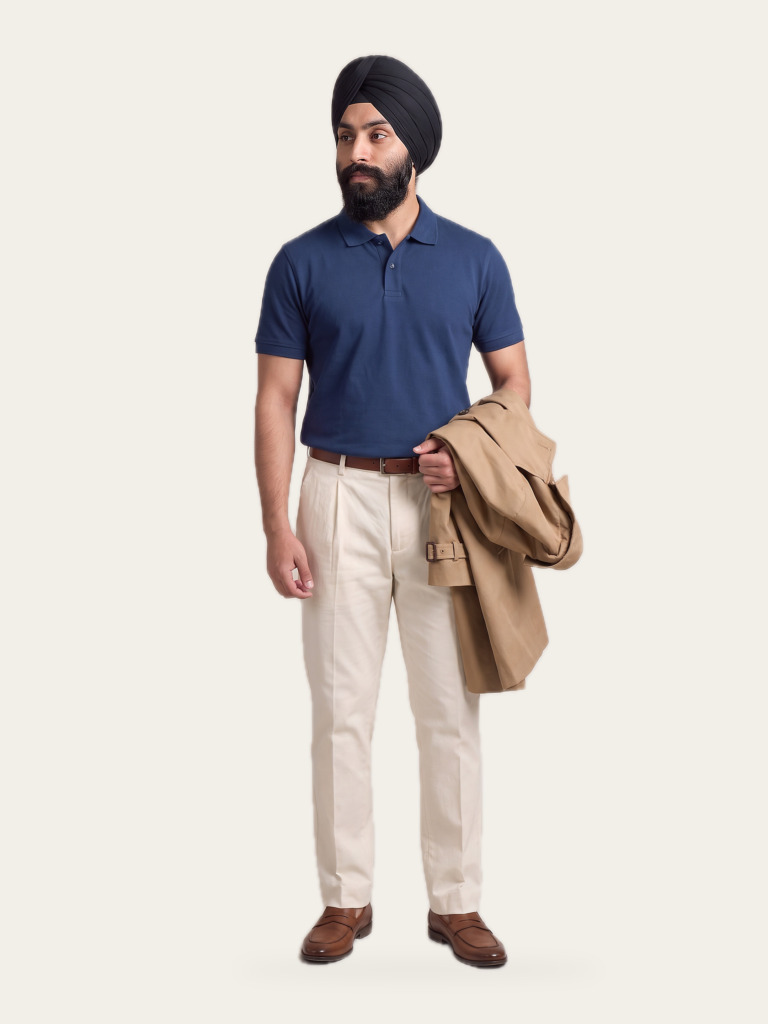
If you are building an all-time fashion wardrobe slowly, start with the pieces you will wear most. A tee like the CORE Crew Tee, a hoodie like the ORIGINAL Hoodie, and a polo like the CORE Piqué Polo cover most weeks in most Indian cities. Add colours one at a time. Six is enough to get everything to match.
Then build slowly, one step at a time:
- Start with what you wear most. Replace your most-worn pieces first, because they get the most wear.
- Choose two or three colours. Noor Black and Rui White go with everything; add one darker or brighter colour.
- Add one statement piece at a time. One design you love, worn often, beats five that sit in the cupboard.
- Get the fit right. Check the size guide before you reserve.
- Reserve with intent. Ask whether you will still want it next year. If yes, it belongs in your all-time fashion wardrobe.
See what is in the House of Originals.
FAQs
What does “all-time fashion” mean?
It means clothing designed to stay in use for years. It is made in small numbers, with named fabrics and permanent colours, in cuts that do not depend on a trend. The aim is a piece you keep reaching for, not one you replace.
How is all-time fashion different from slow fashion?
Slow fashion is a set of values: buy less, care more, look at how things are made. All-time fashion adds design rules on top: a small permanent range, fixed colours, stated fabric weights and cuts that do not date. It is closer to a specification than a mindset.
Is all-time fashion more expensive than fast fashion?
Per purchase, usually yes. Per wear, often no. A ₹1,299 hoodie worn 100 times costs about ₹13 a wear, and the same maths favours any piece that lasts longer than a cheaper one. It only works if you actually wear the piece, so buy what you will use.
Does made to order mean a long wait?
Made to order means each piece is made for you once you reserve it, so there is no stock sitting unsold. Delivery is free across India. You can read the full process in our guide to made to order clothing.
Why does EKVAAR have only six colours?
Six colours keep the wardrobe mixable: Noor Black, Rui White, Agni Red, Neel Blue, Arav Green and Gulabi Pink. Because they never change, a piece bought now will still match one bought later.