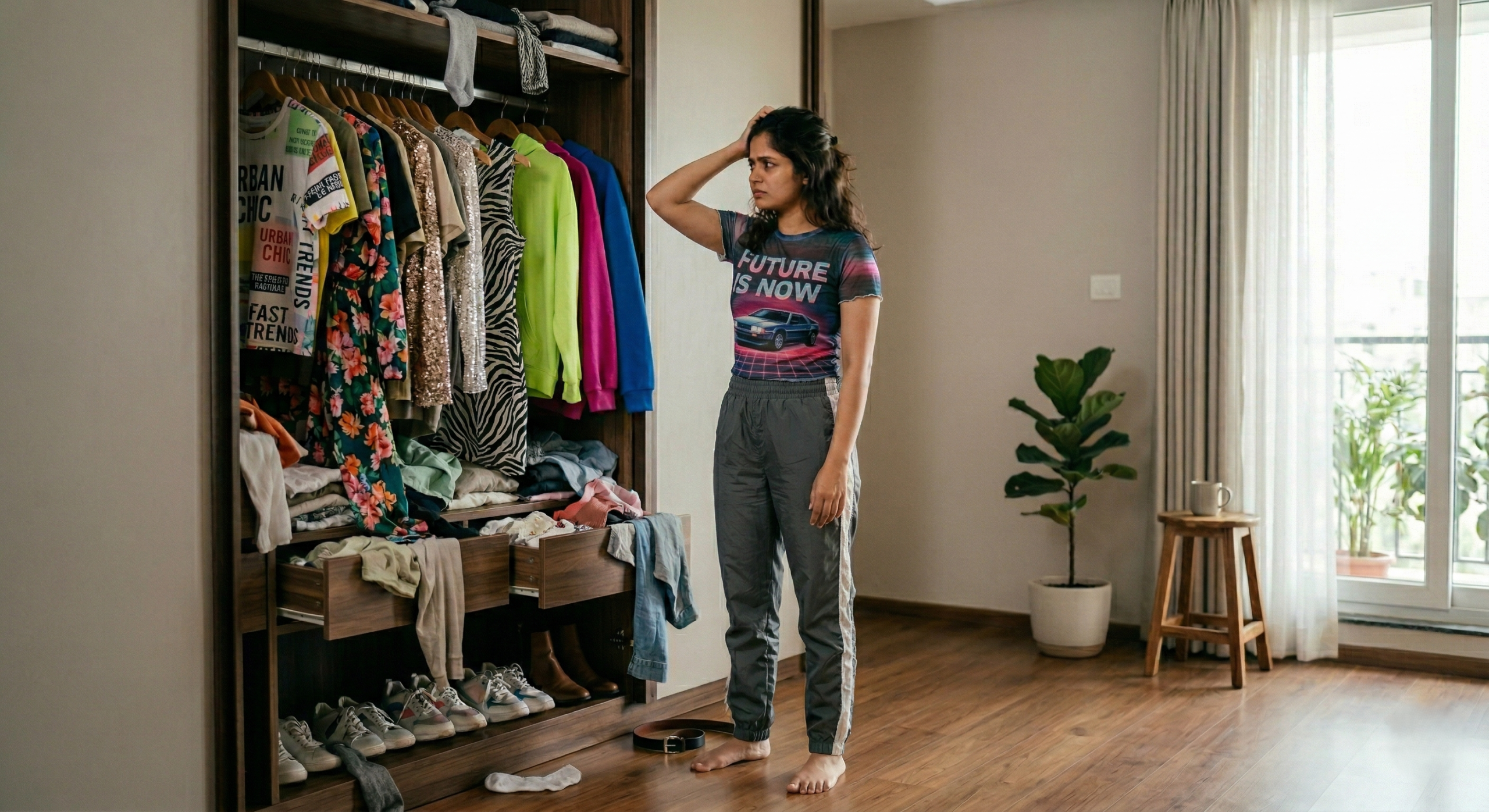
Your wardrobe is full, and yet you have nothing to wear.
Every day feels the same:
Nothing looks right.
Nothing works together.
Getting dressed feels harder than it should.
This isn’t because you don’t have enough clothes.
It’s because your wardrobe lacks structure.
You don’t have a clothing problem.
You have a selection problem.
The good news is that a selection problem can be fixed in an afternoon. Below are five steps that turn a crowded cupboard into a small system, so the feeling of having nothing to wear stops showing up every morning.
Why a full wardrobe still leaves you with nothing to wear
Most wardrobes are built without a system.
Clothes are added over time based on:
- Trends
- Discounts
- Occasions
- Impulse decisions
Individually, each piece may seem fine.
But together, they don’t work.
This leads to:
- Too many mismatched items
- Repetition without intention
- Decision fatigue
- Low usage of most clothes
The result:
A wardrobe that is full, but functionally broken. Nothing to wear, in a room full of clothes.
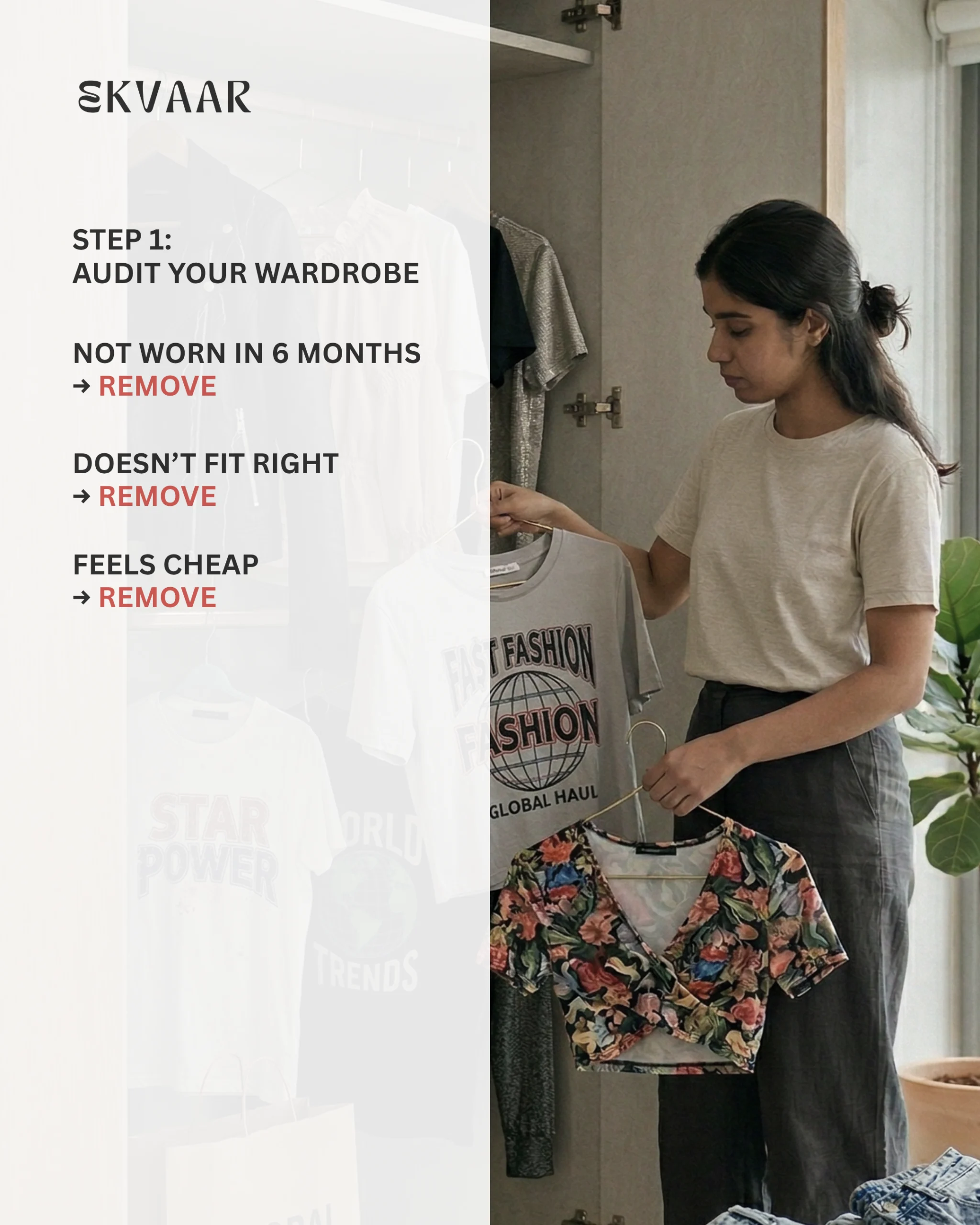
Step 1: Audit your wardrobe
Before improving anything, remove what doesn’t serve you.
Go through your wardrobe piece by piece and filter using three rules:
1. Not worn in 6 months
If you haven’t worn it recently, it’s not part of your active wardrobe.
2. Doesn’t fit right
Not “almost fits.” Not “will fit someday.”
If it doesn’t fit now, remove it.
3. Feels cheap or uncomfortable
If it doesn’t feel good, you won’t wear it.
Result:
You reduce clutter.
You create clarity.
You see what actually matters.
What is left after an honest audit is your real wardrobe, and it is usually the reason you felt you had nothing to wear: it was hidden behind everything else.

Step 2: Reallocate instead of throwing away
Removing clothes doesn’t mean wasting them.
- Sell → recover part of your spend
- Donate → pass it forward
- Repurpose → home use, layering, DIY
- Recycle → only when nothing else works
Trash should always be the last option.
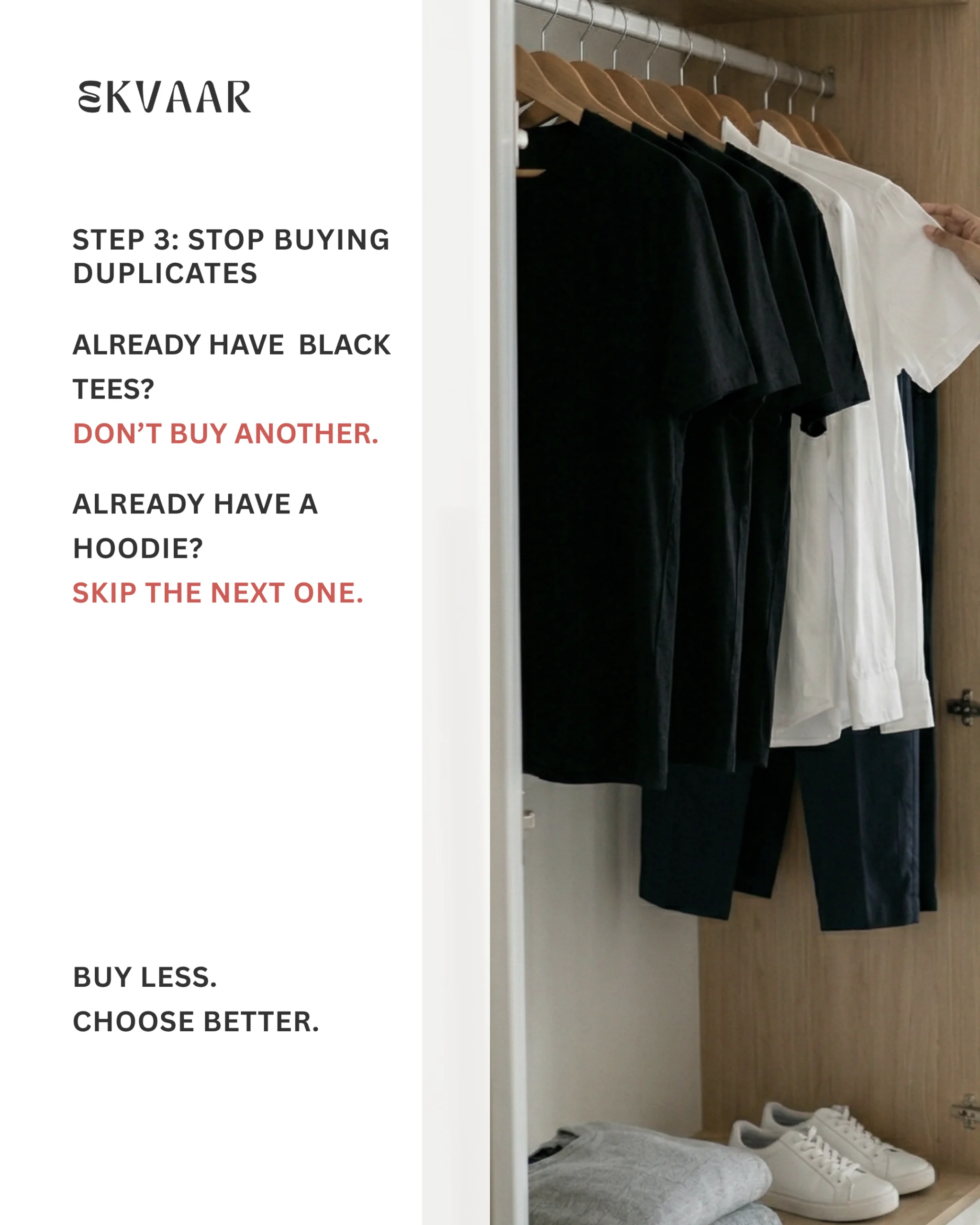
Step 3: Stop buying duplicates
Most wardrobes are filled with repetition.
Another black t-shirt.
Another hoodie.
Another similar piece.
Rule:
If you already have 2–3 similar items,
you don’t need another.
New way to think:
Don’t ask:
“Do I like this?”
Ask:
“Does my wardrobe need this?”
Outcome:
Fewer purchases.
Better decisions.
Higher usage per item.
Duplicates feel safe at the till, but they add to the pile without adding a single new outfit. Ten similar tees still leave you with nothing to wear if none of them goes with your trousers.
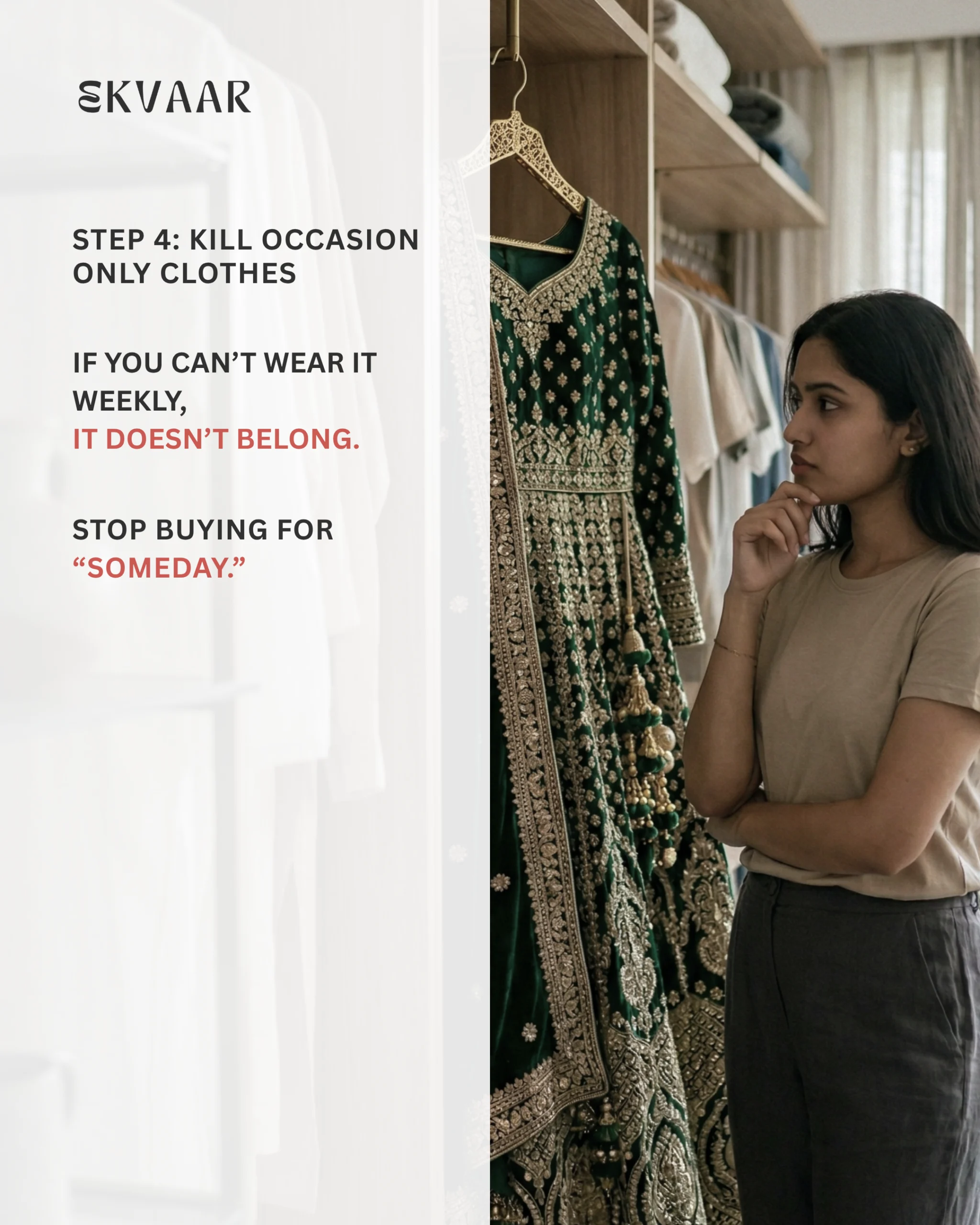
Step 4: Eliminate ‘someday’ clothes
Many clothes are bought for:
- Special occasions
- Future events
- “Just in case” moments
Most of these are rarely worn.
Reality:
If you can’t wear something regularly,
it doesn’t belong in your wardrobe.
New rule:
Buy for your real life.
Not imagined situations.
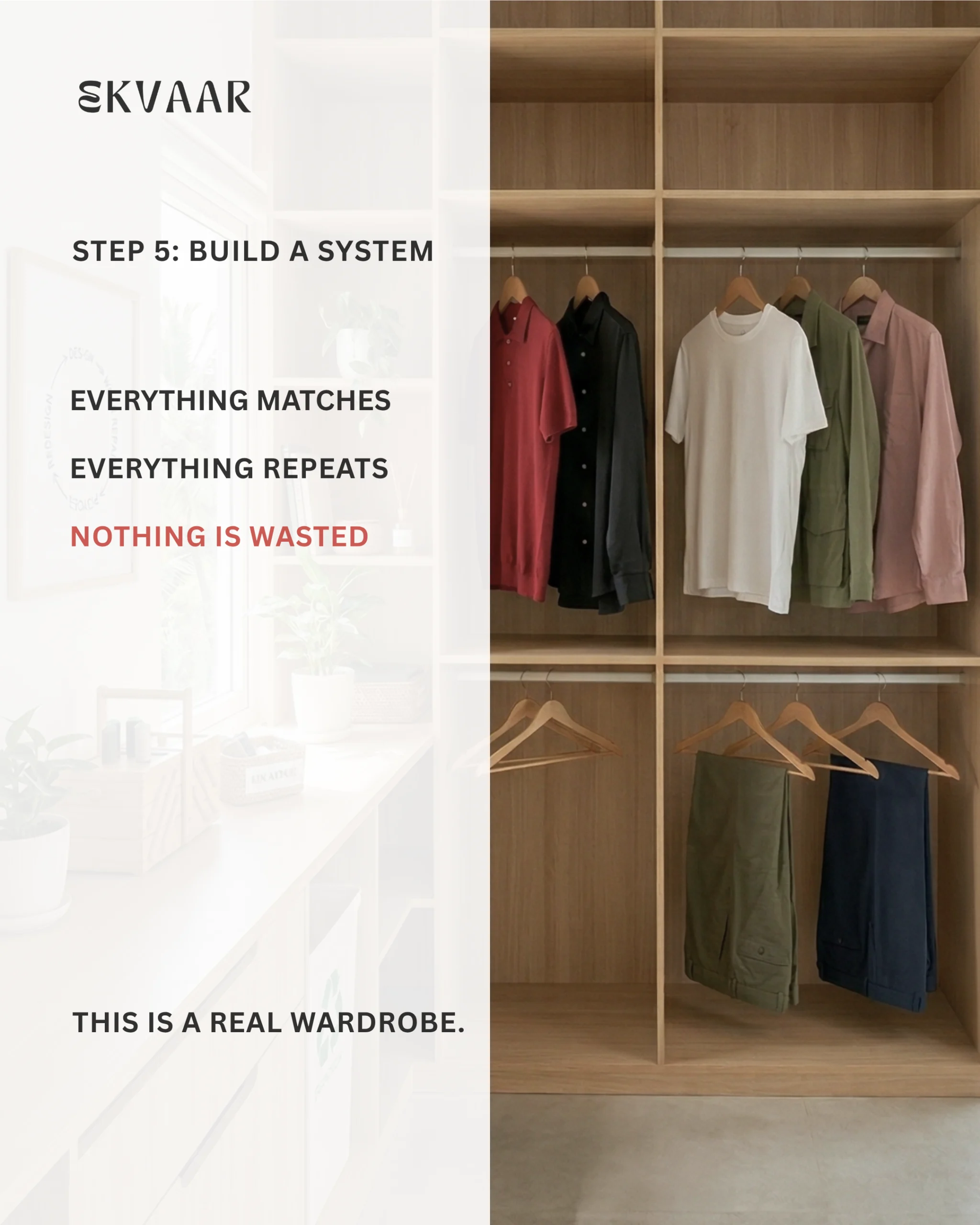
Step 5: Build a wardrobe system
A functional wardrobe follows three principles:
1. Everything matches
Each piece should work with multiple others.
2. Everything repeats
Repetition reduces decisions and builds consistency.
3. Nothing is wasted
Every item should have a purpose and frequent use.
4. Colours that agree
A system works best on a small, fixed palette. EKVAAR keeps six permanent colours: Noor Black, Rui White, Agni Red, Neel Blue, Arav Green and Gulabi Pink. Our guide to the six-colour wardrobe system shows how the pairings work.
What a good wardrobe actually looks like
A well-built wardrobe is:
- Smaller
- More versatile
- Easier to use
- Built around compatibility
It removes confusion and creates clarity.
A small base that ends nothing to wear
You do not need a new wardrobe. You need a few dependable pieces that make the rest of your clothes usable. A simple base might look like this:
- Two or three plain tees in Noor Black and Rui White. The CORE Crew Tee is a 180 GSM cotton crew tee in a unisex regular fit, mid-weight and soft from the first wear.
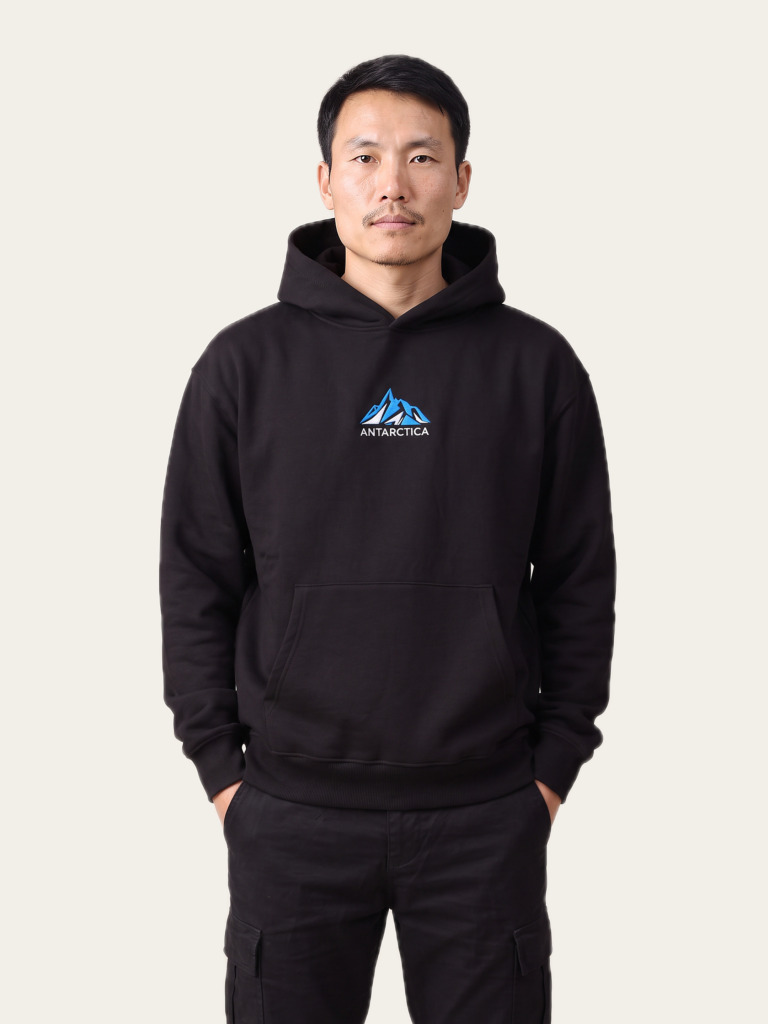
- One warm layer that goes over everything. The ORIGINAL Hoodie is a 300 GSM brushed cotton fleece hoodie with a lined hood and front pouch pocket.
- One easy bottom for days off. The EASE Joggers are relaxed cotton joggers with a tapered leg and ribbed waist and cuffs.

With a base like this, the clothes you kept after the audit suddenly have partners. The feeling of nothing to wear usually fades because every new combination is already decided.
The shift: From fashion to system
Most fashion today is trend-driven and short-term.
A better approach is system-based.
Where:
- Clothes work together
- Pieces last longer
- Buying becomes intentional
The EKVAAR approach
Buy once. Wear forever.
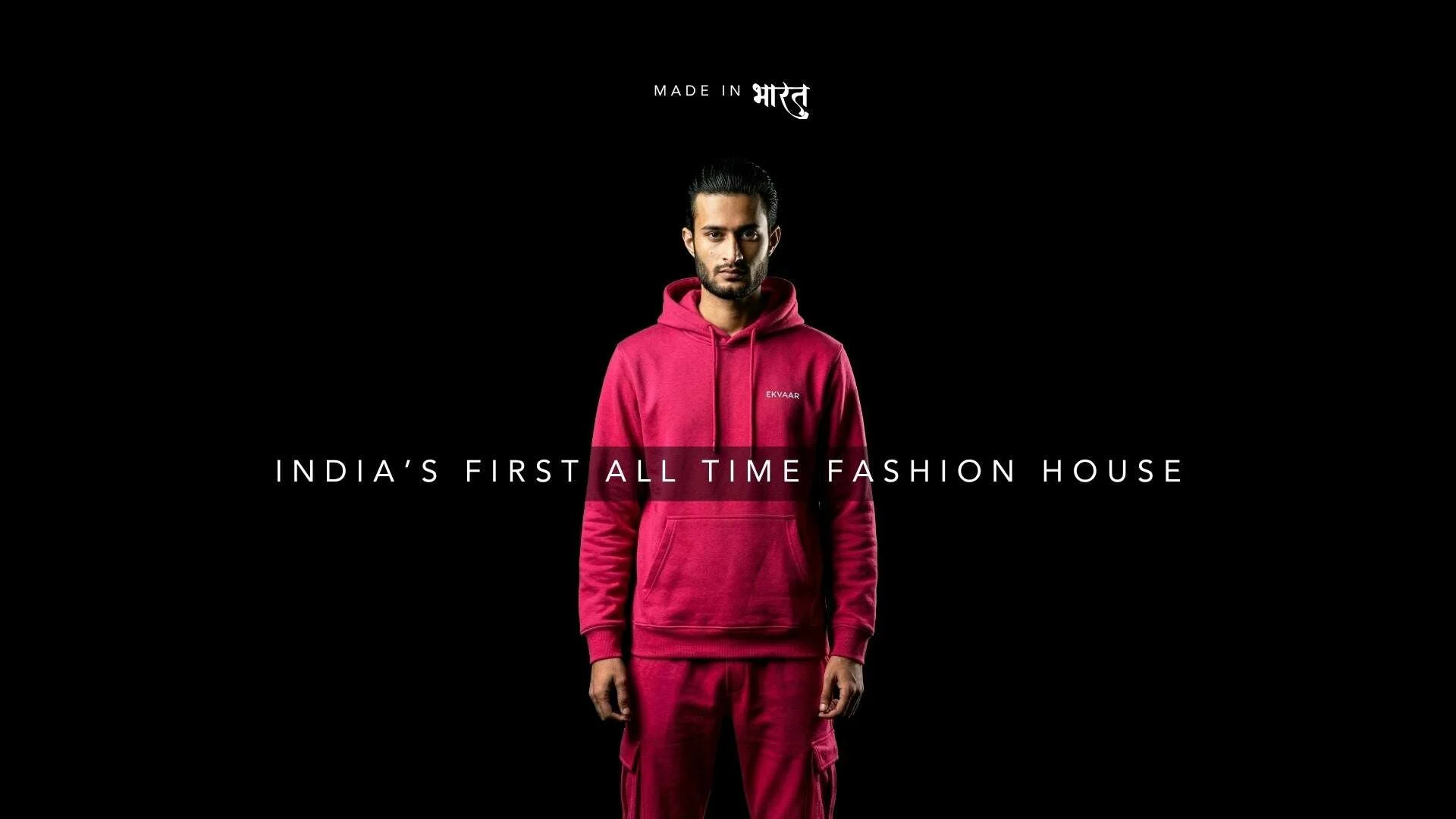
EKVAAR is built on a system-first philosophy.
Each piece is designed to:
- Match easily
- Stay relevant over time
- Fit into multiple outfits
This is not trend-based fashion.
It’s a system.
Every piece is made in India and made for you once you reserve it, so nothing is produced in bulk to sit in a warehouse. If you want a checklist for what to keep, add and skip, our minimalist wardrobe checklist goes step by step.

Conclusion
If your wardrobe feels full but you still have nothing to wear,
the solution isn’t more clothes.
It’s:
- Better selection
- Fewer, smarter pieces
- A structured system
Buy once. Wear forever.
Questions people ask about nothing to wear
Why do I feel I have nothing to wear when my wardrobe is full?
Usually because the pieces were bought one at a time, for different reasons, and do not go together. A smaller set of clothes that all mix gives you more outfits than a large set that clashes.
How many clothes do I actually need?
There is no fixed number. Start from what you wore in the last month, keep those, and add only what fills a clear gap, such as a warm layer or a second pair of trousers.
Want help?
Explore EKVAAR or DM “EKVAAR” for guidance on building your wardrobe system.